Patent battles don’t start the day you get sued. They start long before that—often while your patent is still just an idea on paper. And the biggest risks aren’t the ones most founders expect. The real danger hides in the things you don’t disclose, the things you don’t track, and the things you assume won’t matter until “later.”
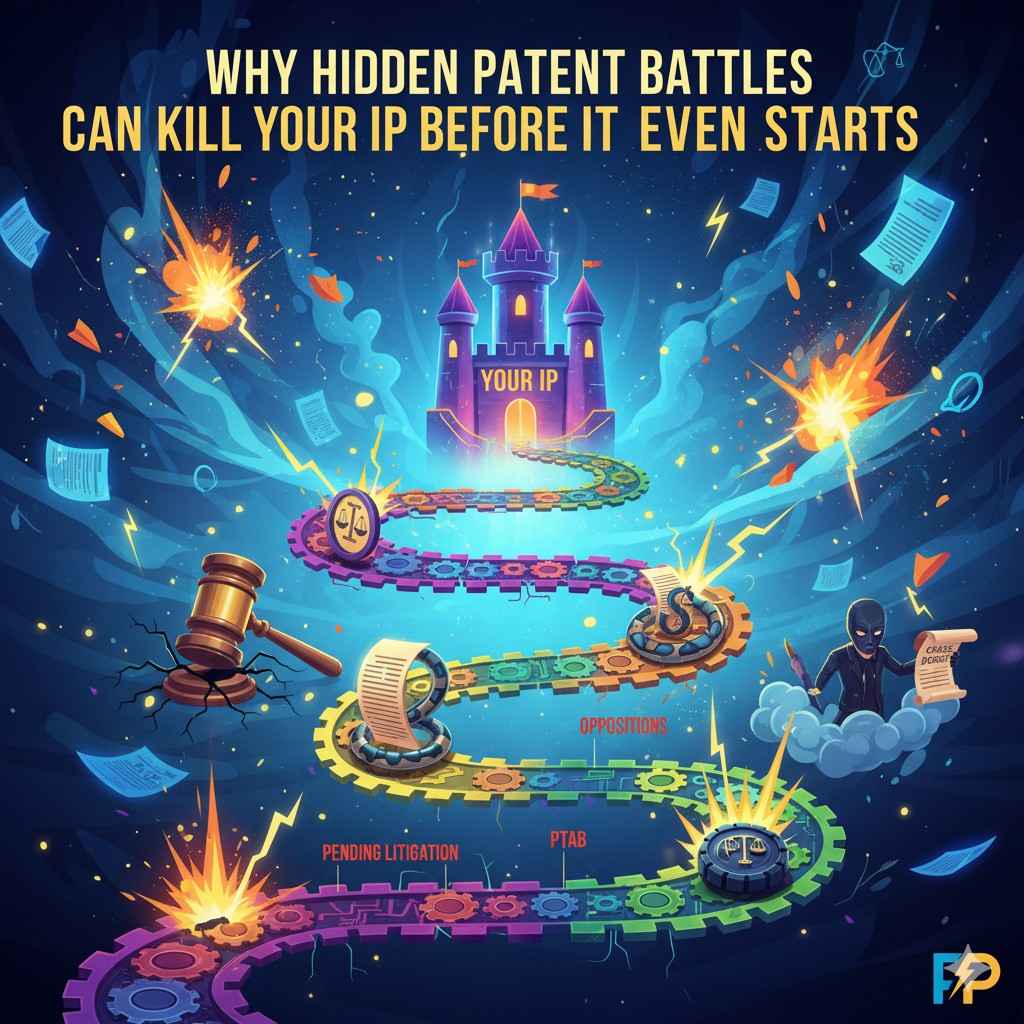
Why Hidden Patent Battles Can Kill Your IP Before It Even Starts
Every founder wants to believe their patent stands on its own. You build something real, you put in the hours, and you expect the system to protect you. But the truth is less comfortable.
Your patent does not live in a vacuum.
It sits inside a crowded landscape full of older filings, active competitors, ongoing lawsuits, overseas oppositions, shifting ownership questions, and procedural traps that quietly shape whether your patent survives or falls apart.
Most companies only discover these threats when it is too late. This section breaks down why these hidden battles matter long before your patent is granted and how to keep your filings clean, strong, and defensible from day one.
The quiet danger of conflicts you do not see yet
A patent filing may look simple, but the world behind it is messy. If someone has already accused your company of infringement, even informally, that dispute can surface later and be twisted into a claim that you withheld something important.
If you are facing an overseas opposition, that too becomes part of the story of your invention.
Even minor disagreements with research partners or early collaborators can be interpreted as potential ownership disputes.

The danger is not just the existence of these issues. The danger is the gap between what you know and what the patent office expects you to reveal. A small oversight becomes a credibility problem.
A credibility problem becomes a validity problem. And a validity problem becomes a competitor’s dream.
How a small omission can turn into a major threat
Many founders assume the patent office only cares about technical details. They do not realize that litigation, challenges, or disputes can become evidence that the inventor knew of potential risks but chose not to disclose them.
A single omission can later be portrayed as intentional, even if it was an honest oversight made during a busy stage of the business.
This is especially risky when investors, acquirers, or large enterprise customers dig into your IP. They review everything.
If your patent ties to technology involved in an active dispute, the absence of disclosure can signal a structural weakness.
That weakness gives them leverage, slows due diligence, or forces you into a defensive position. In the worst cases, it collapses the value of the patent entirely.
Why early-stage founders are hit the hardest
Startups move fast, pivot often, and live with half-finished documentation. That speed is a gift for product execution but a trap for patents.
A founder may enter a small commercial disagreement without realizing it counts as relevant context. A team member may bring prior work from a former employer without recognizing potential ownership questions.
A collaborator may contribute code or models without signing the right agreements.

When the company grows and files its first major patents, all these small, forgotten moments suddenly matter.
What looked harmless becomes a loophole for competitors or a reason the patent office raises questions you do not want to answer under pressure.
The way your competitors use hidden battles against you
A competitor trying to weaken your patent does not attack the invention itself first. They look for paperwork gaps, missing disclosures, and inconsistencies. They comb through litigation records in other jurisdictions.
They study partnership agreements and licensing history. They compare your statements to investors, regulators, and patent examiners. Their goal is simple. They want to frame your patent as unreliable before they ever touch the technical claims.
If they find even a small opening, they can push that opening into a PTAB challenge.
Once a PTAB challenge starts, the burden shifts to you. Suddenly your team spends months defending something that could have been protected with early transparency.
How disclosure becomes your strongest shield
Founders often fear disclosure because they think it weakens the patent. The opposite is true.
When handled wisely, disclosure becomes the armor around your claims. A well-documented patent tells the examiner that you understand the landscape and are not hiding anything.
It tells investors that your IP is clean. It tells competitors that you have no blind spots they can exploit.
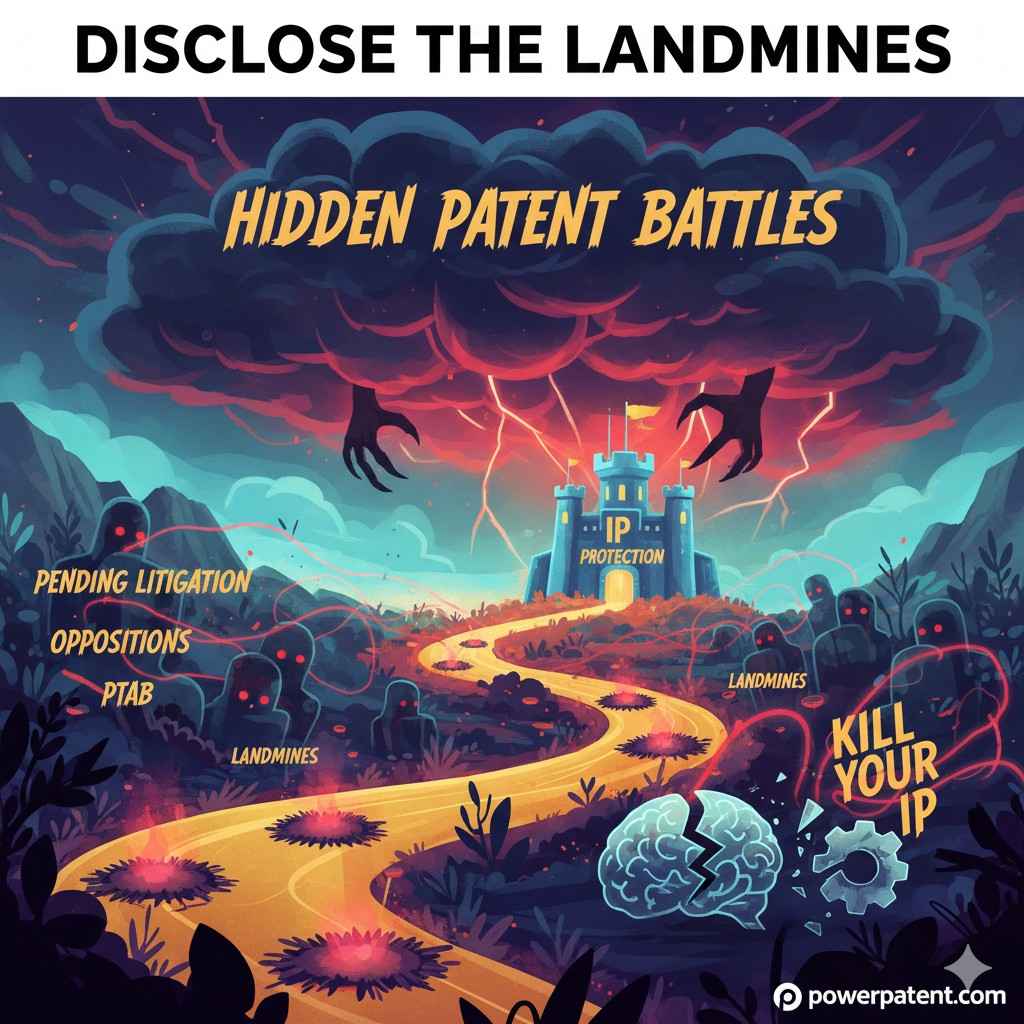
The strongest filings are not the ones that pretend the world has no noise. They are the ones that acknowledge the noise and show the company is already ahead of it.
Why the timing of disclosure matters more than the content
Disclosing risks after the patent is challenged looks reactive. Disclosing them during prosecution looks strategic.
Early disclosure allows the attorney and the patent office to handle concerns in a controlled, low-stakes environment. Late disclosure forces everyone to deal with them when a competitor has turned those concerns into a weapon.
Timing communicates confidence. If you surface issues early, your narrative controls the process. If someone else surfaces them later, they control the narrative.
How proper disclosure protects your long-term strategy
A founder’s IP strategy is not just about getting patents granted. It is about ensuring those patents can survive when used to protect revenue, block competitors, or support acquisition negotiations.
Hidden battles threaten that long-term value because they can be raised years after the patent is filed.
A clean file history means you can enforce your patent without fear of retaliation. Investors see that your IP has no hidden liabilities.
Buyers see that your portfolio has no landmines that delay closing. The more the company grows, the more these small details determine real outcomes.
Why attorney oversight and smart software matter
Even the most careful founders miss things. Human memory blurs. Teams change. Startups outgrow their early systems. This is why PowerPatent emphasizes a hybrid approach.
Smart software helps surface red flags early and makes it easier to record disputes, communications, and potential conflicts. Real attorneys review that information, interpret the risks, and make sure your patent filing does not step on anything explosive.
This combination protects you from the mistakes founders do not know they are making. It makes disclosure simpler, cleaner, and far less stressful. It helps you file with confidence rather than worry.
The easiest way to see this in action is to explore how the process works here: https://powerpatent.com/how-it-works
How Pending Litigation and PTAB Challenges Shape Your Filing Strategy
Every company wants to believe they can file a strong patent at any time, no matter what else is happening around them. But the moment litigation, threats of litigation, or a PTAB challenge enter the picture, everything about your filing strategy changes.
These situations do not just add pressure. They change the rules. They change the timing. They change how the patent office views your actions.
And they change how your competitors prepare their attacks.
This section explains how these challenges bend the entire strategy behind a filing and how you can stay in control instead of reacting under fire.
The way litigation changes your timing before you even realize it
As soon as your company is pulled into a dispute, even a minor one, the clock begins to move in a different way.
What once felt like a normal timeline for filing becomes a race against deadlines that are not always written down. Courts, investors, and the patent office all start looking at the same facts but through very different lenses.
If you wait too long, your actions may look like you filed in response to pressure rather than as part of a structured plan.
This alone can raise questions about intent, credibility, and whether you were trying to strengthen your position after someone accused you of copying.
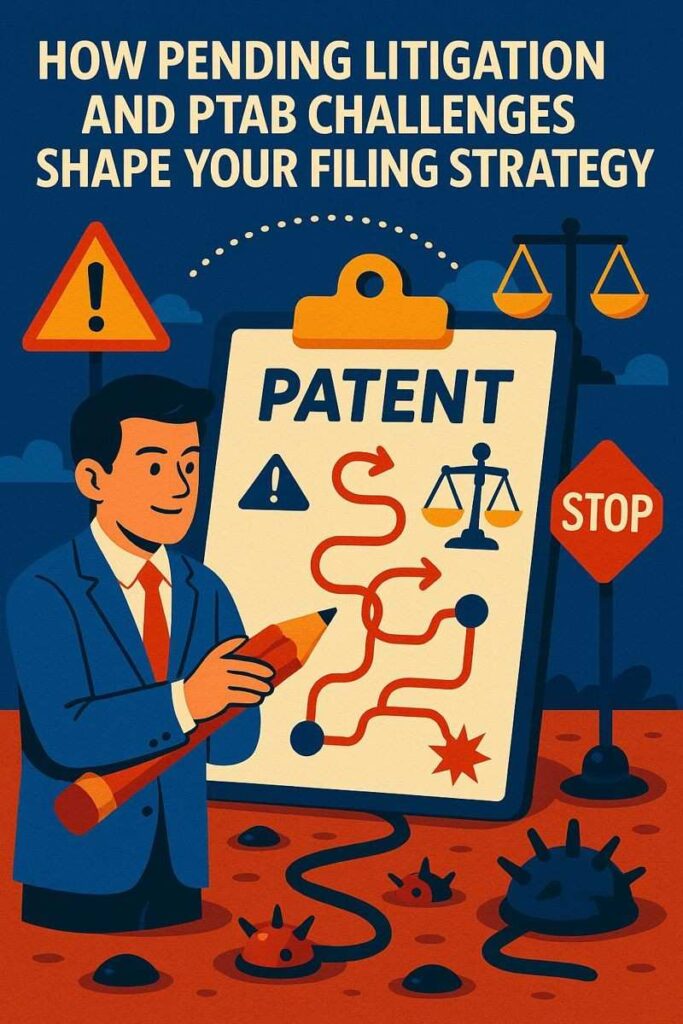
When litigation is on the horizon, timing must be intentional. You need every filing to look like a natural move in a long-term strategy rather than a defensive maneuver.
How challenges force you to tighten your claim language
A pending legal threat often pushes founders to draft claims too broadly in hopes of covering more ground. But broad, rushed claims can backfire. They give opponents easy targets.
They invite examiners to dig more deeply. They make PTAB petitions simpler to craft.
When you know a challenge might be coming, tight claims are not a limitation. They are protection.
Narrow claims can still be powerful if they are smart, layered, and grounded in strong support. The real danger is filing claims so wide that a competitor can drive a truck through them.
With proper planning, you adjust your scope early, not after a challenge has already begun.
Why the story behind your invention matters more when trouble is near
The patent office reads your application as a narrative. When litigation appears nearby, that narrative becomes even more important. Examiners pay close attention to when the idea began, how it evolved, and what evidence of prior work exists.
Opponents pay attention to anything that looks inconsistent. Courts pay attention to anything that looks unclear.
If the story is clean, consistent, and supported, your patent becomes easier to defend. If the story is messy or out of sync with your public statements, product launches, or investor materials, opponents will use that against you.
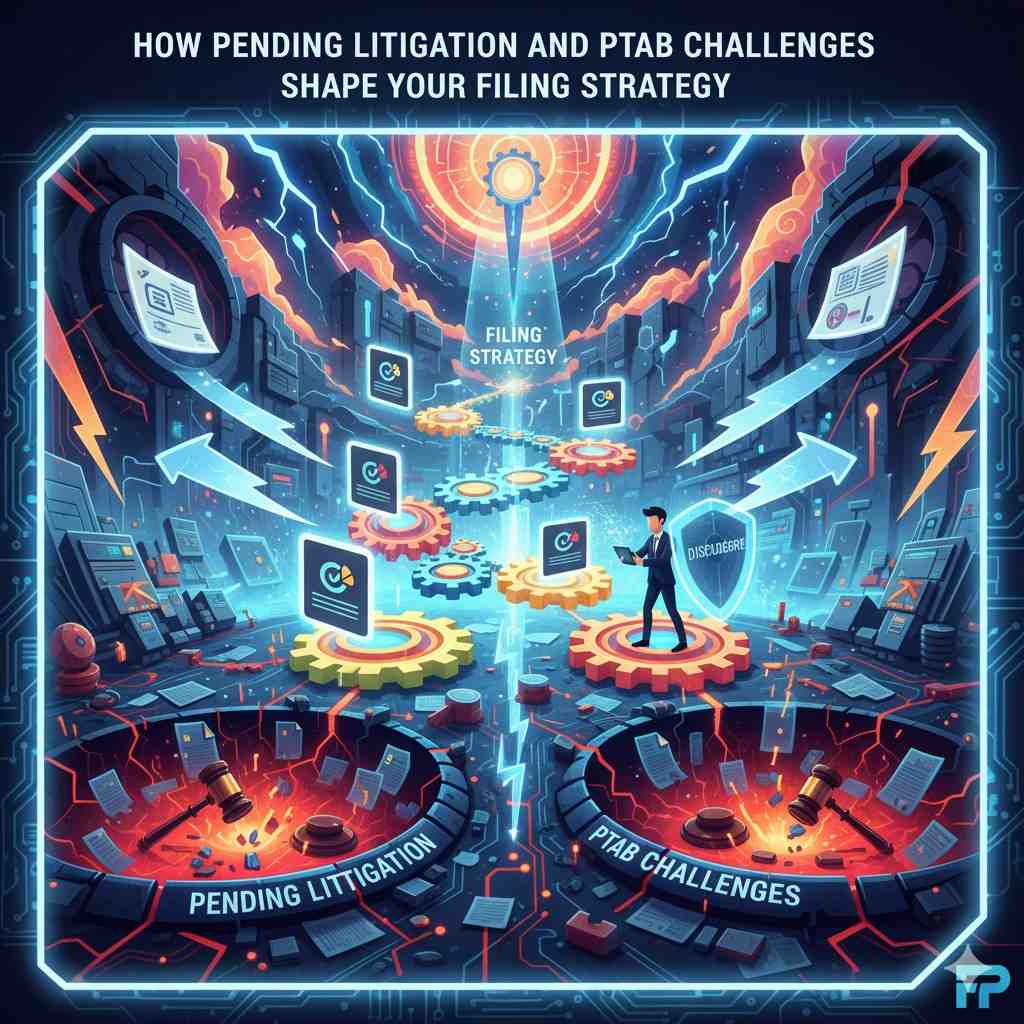
A clear invention story is not a luxury. It is insurance.
How PTAB shapes the risk level of every claim you make
PTAB is fast, technical, and unforgiving. It is not a courtroom where emotion or broad themes sway the outcome.
PTAB panels focus on precision, prior art, and procedural completeness. If there is any gap in your record, any inconsistency, any unclear claim, PTAB finds it.
This means your patent must be drafted as if PTAB is already watching. You cannot leave openings. You cannot assume something is obvious. You cannot expect that small mistakes will go unnoticed.
A filing designed with PTAB in mind is harder to attack everywhere else.
The hidden effect on your funding and deal flow
Investors study risk above all else. If you file a patent during a dispute without addressing the context, it may look like a reaction. That makes investors nervous.
If you avoid filing because you fear how litigation will affect things, that too can look like a red flag. But if you file with a clear plan, backed by strong documentation and proper disclosure, your patent becomes a sign of control, not chaos.
The same applies to partnerships, licensing conversations, and acquisitions. A pending challenge is not the problem. An unclear strategy is.
Why silence during a challenge can hurt your patent later
Many founders think the safest move is to say nothing about the dispute during the patent process.
But silence can look worse than disclosure when a challenge surfaces later. Opponents will argue that the company tried to hide something. Even if that is not true, perception becomes part of the case.
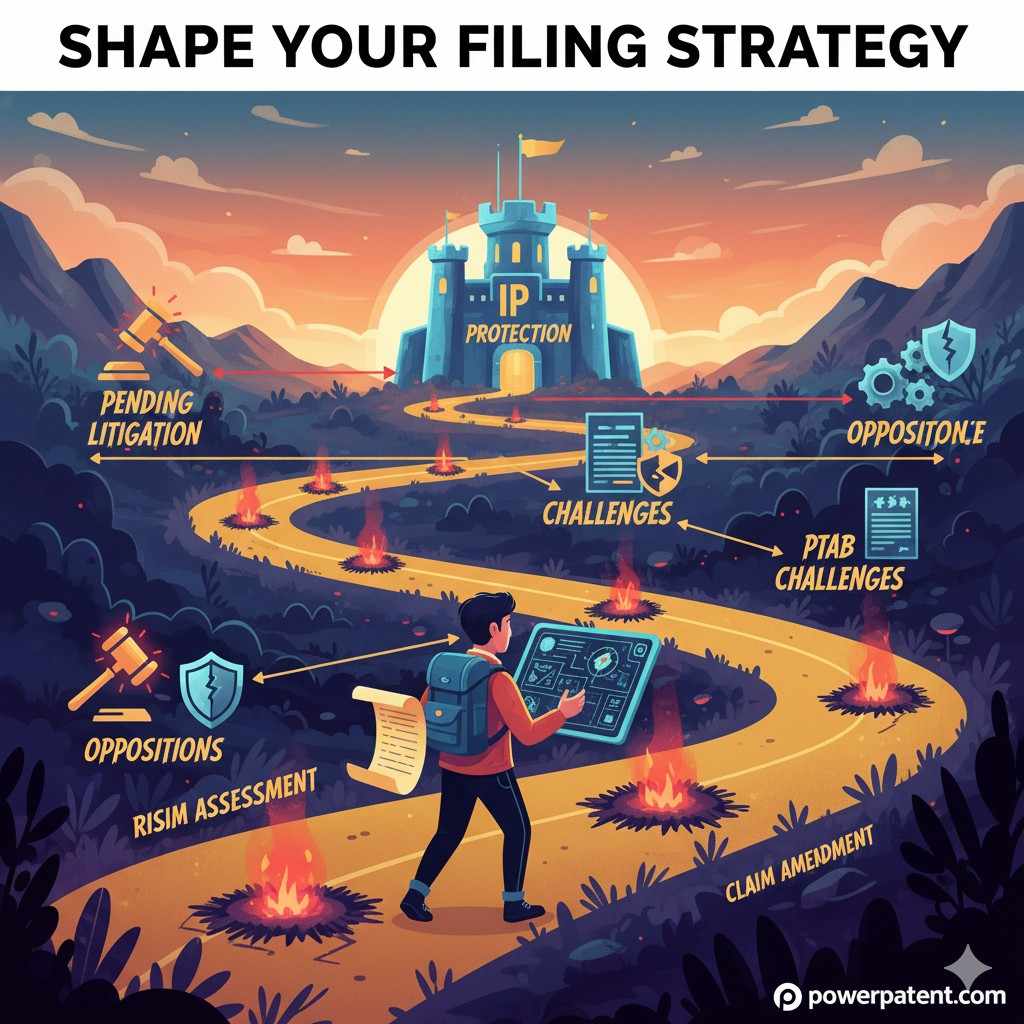
Disclosing does not make you vulnerable. It shows maturity. It gives your legal team room to shape the narrative before anyone else does.
How disclosure helps you steer the examiner, not chase them
Examiners respect clarity. When you disclose ongoing disputes in the right way, you make their job easier. You guide them to the right understanding of the technology.
You prevent confusion. You avoid the kind of misunderstandings that lead to rejections or unnecessary scrutiny.
This means your filing process moves faster, not slower. You spend less time responding to office actions. You build trust with the examiner, which becomes valuable when your claims require nuance.
The impact on international filings and foreign oppositions
A challenge in one country can spill into another if the filings are not aligned. Many founders do not realize that foreign patent offices pay attention to U.S. filings and vice versa.
If a dispute arises in Europe, it can influence how the USPTO interprets your actions. If your U.S. claims shift during litigation, foreign offices may ask why.
This is why a coordinated strategy matters. You cannot treat each country as a separate track once litigation appears. Everything interacts, even when it seems unrelated.
How to keep control when you feel pressure from all sides
When litigation or a PTAB threat appears, founders often feel boxed in. They fear filing too soon, filing too late, or saying the wrong thing. But control comes from clarity, not speed.
The more you understand what must be disclosed, how it should be framed, and why it matters, the more confident you become in each move.
This is where PowerPatent creates real value. The platform helps you map disputes, record context, understand risk points, and share everything with a real patent attorney who knows how to position your filing.
It removes guesswork, which is the real source of stress for founders during legal uncertainty.
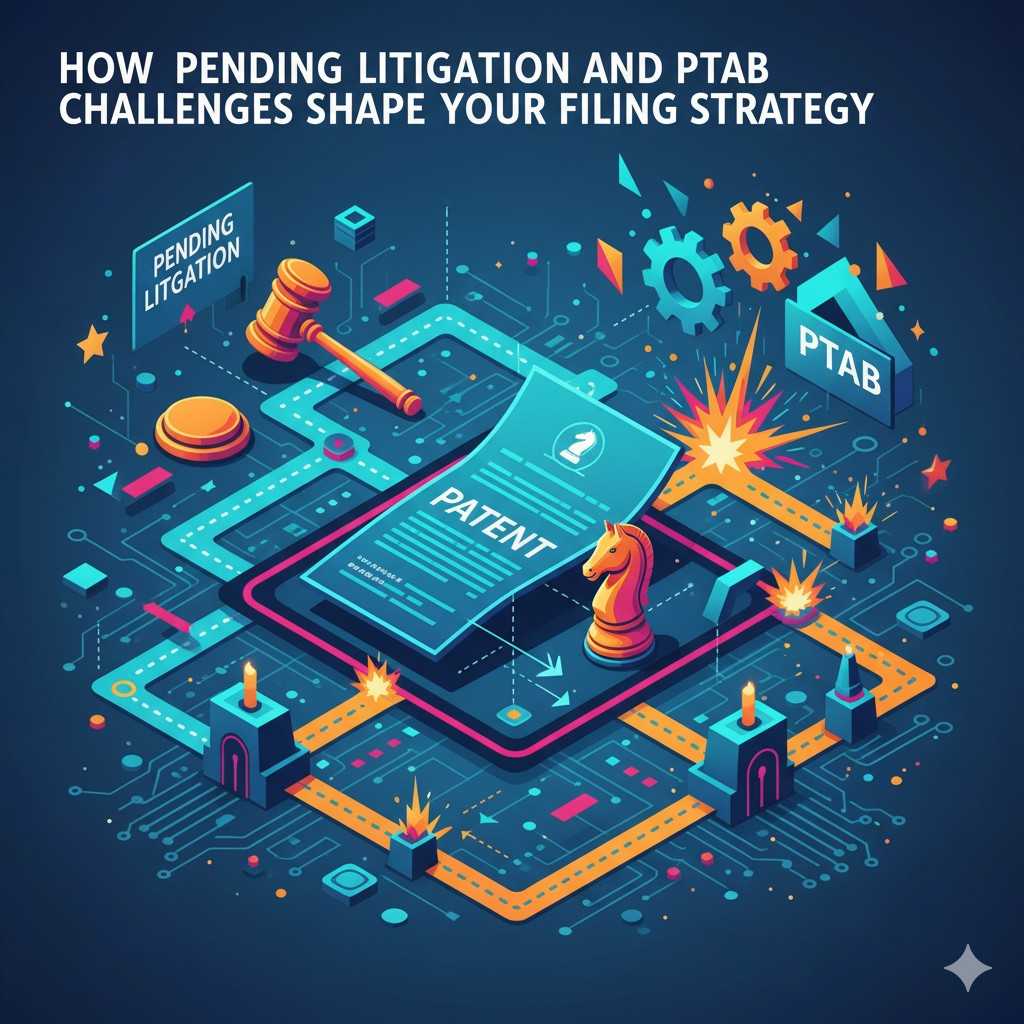
If you want to see how this workflow plays out in real life, you can explore it anytime here: https://powerpatent.com/how-it-works
The Smart Way to Disclose Risks and Keep Your Patent Foundation Solid
Every founder wants a patent that feels stable, strong, and ready to defend. But strength does not come from pretending the landscape is clean. It comes from acknowledging the noise around your invention and handling it with clarity.
When you disclose risks the right way, you do not weaken your patent. You reinforce it.
You show the examiner, investors, and even future courts that you understand your environment and that you are not hiding anything that could shake the foundation later.
This section explains how strategic disclosure protects your IP, simplifies your process, and builds long-term stability for your company.
Why disclosure is more about control than exposure
Many founders assume disclosure means exposing weaknesses. But disclosure done well is actually a way to regain control when the environment around your technology gets unpredictable.
When you surface a risk early, you get to decide how it is framed. You choose the language. You choose the timing. You choose the context. Most importantly, you prevent anyone else from weaponizing it before you do.
If you hold risks too tightly, you lose control. If you surface them clearly, you set the terms.

This shift in mindset is what separates founders who build durable IP portfolios from those who scramble when problems appear later.
How disclosure protects your credibility long before a dispute arises
Examiners read applications not just for technical detail but for consistency. When your application reflects awareness of surrounding risks, you appear organized and aligned.
A clean narrative helps examiners trust that the details they see are the complete picture. When that trust is broken, every claim is challenged more aggressively.
Credibility is the currency of patent prosecution. Once you lose it, everything becomes harder. Disclosure preserves that currency by eliminating the appearance of gaps.
This also matters to investors. A founder who can explain how they handled risks shows maturity. A founder who says nothing until forced looks uncertain. That difference affects valuation more than most people realize.
Why honesty about related disputes strengthens your legal position later
If a competitor challenges your patent years from now, they will study your entire file history. They will look for anything that appears withheld or glossed over.
Even the smallest inconsistency can grow into an argument that your patent should never have been granted. But if the risk was already acknowledged up front, the argument falls apart.
Judges and PTAB panels do not expect a company to live free of disputes. What they expect is transparency.
They want to see that the patent owner treated the process with seriousness. If they do, panels become far more willing to credit the company’s explanations during a challenge.
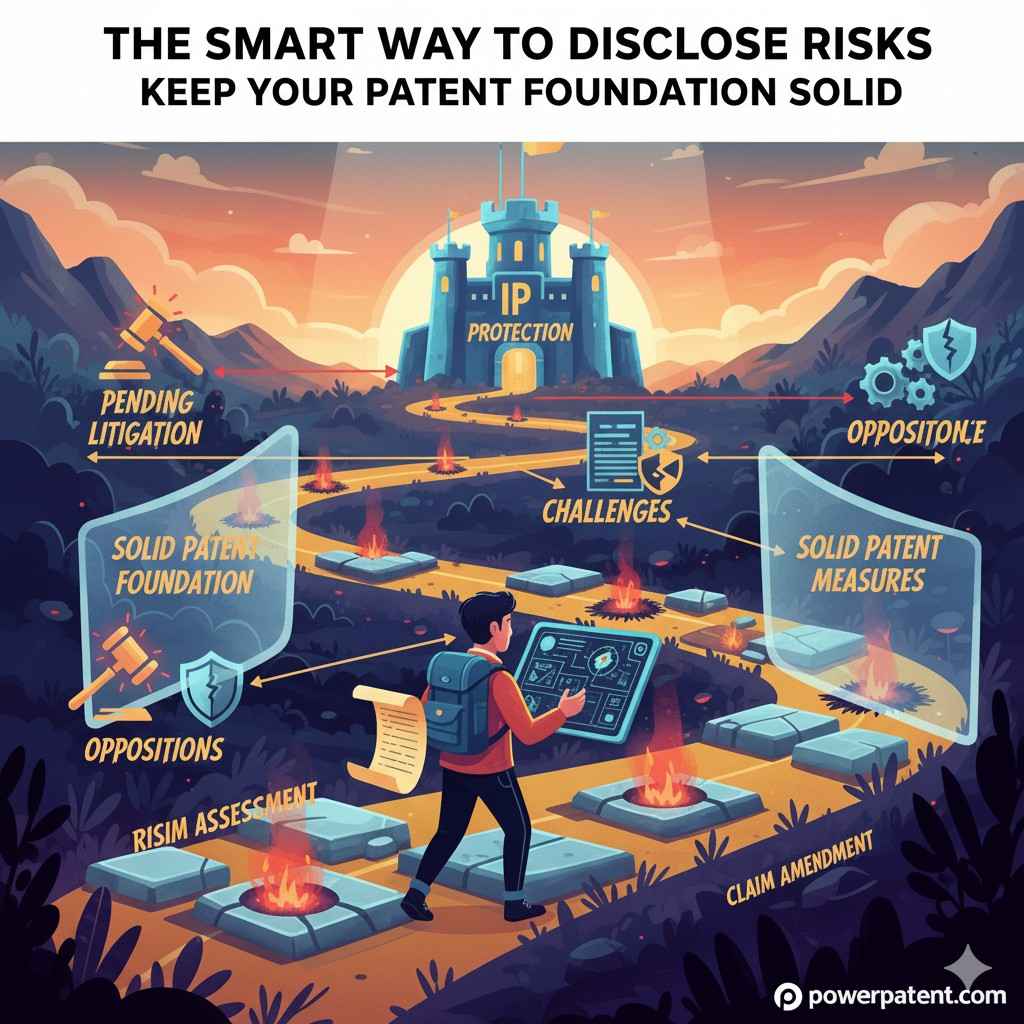
Disclosing is not about being vulnerable. It is about removing the opponent’s ability to twist the narrative into something harmful.
How disclosure helps prevent internal confusion inside your company
Startups often have fragmented histories. Team members leave. Prior collaborators are forgotten. Emails get lost. Code from early prototypes becomes hard to trace.
When these loose threads surface during a patent dispute, they create chaos inside the company.
But when you disclose and document risks early, you create a stable internal record. Everyone knows the timeline. Everyone knows the meaning of each event. Everyone knows how to answer questions if a challenge arises years later.
This stability protects you against your own future growth. As the company scales, clarity becomes your shield.
Why investors care more about your process than your problems
Investors know that every serious company collects risks along the way. They do not fear problems. They fear founders who do not understand the problems or who cannot articulate them.
A well-disclosed, well-handled risk tells an investor that you are disciplined. It shows that your IP does not rely on luck or vague memories. It shows you are building a durable foundation, not a hopeful claim.
This matters during fundraising, strategic partnerships, and acquisitions. Every major deal includes IP diligence. A clear disclosure record keeps the process efficient and prevents last-minute surprises that stall negotiations.
A clean IP narrative is a signal of stability. And stability increases valuation.
How disclosure reduces the cost of PTAB defense if a challenge arrives
A PTAB challenge is expensive, even when handled well. But proper disclosure early in the patent process lowers the cost dramatically.
When everything is clearly documented, attorneys spend less time sorting through old events or reconstructing timelines.
They can defend the patent with confidence because they already know what the examiner saw and understood.
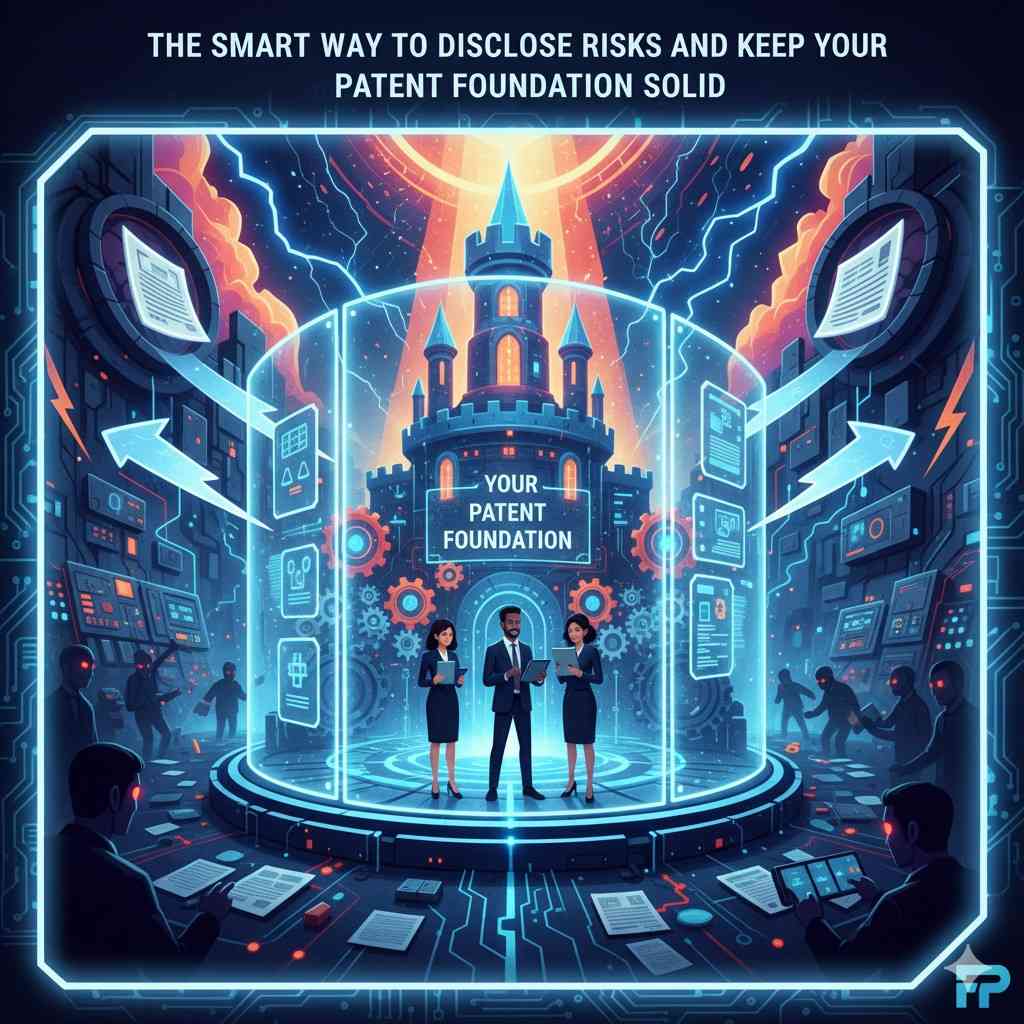
This reduces the hours spent preparing arguments. It reduces the number of issues that opponents can raise. It reduces the likelihood that PTAB will view the patent as careless or improperly supported.
A strong patent begins long before PTAB. It begins with a clean, complete record.
How to disclose without oversharing or weakening your claims
Disclosure does not mean emptying your entire company history into the patent record. It means giving the examiner the context needed to evaluate the invention fairly.
A skilled attorney helps you determine what belongs in the record and what belongs in internal notes. The key is balance. Too little disclosure creates suspicion. Too much disclosure adds noise.
The real power is sharing just enough to show transparency while keeping your claims focused, tight, and well supported.
This is why founders should never try to navigate disclosure alone. The judgment call depends on experience, and experience is built by handling these situations repeatedly.
This is exactly where smart software and attorney review inside PowerPatent make a difference. The system helps you surface the right risks, filter out irrelevant noise, and deliver disclosures that strengthen your patent instead of complicating it.
You can see how the workflow supports this level of clarity here: https://powerpatent.com/how-it-works
Why consistent documentation makes future filings stronger
When you record risks clearly, every future filing becomes easier. Continuations flow naturally. International applications align more smoothly.
Claim strategies become clearer because your attorneys understand the full landscape. Even if challenges appear in the future, your file history tells a unified story.
A strong patent portfolio is not built from individual filings. It is built from consistency. Disclosure creates that consistency.
How disclosure helps prevent accusations of inequitable conduct
One of the most damaging arguments a competitor can raise is the claim that the inventor knowingly withheld important information. This accusation, known as inequitable conduct, can destroy a patent entirely.
But consistent, strategic disclosure makes this argument nearly impossible for challengers to sustain.
Panels and courts look at intent. If your record shows early transparency, there is no plausible story that you acted deceptively.
Even if the dispute you disclosed later becomes significant, the fact that you surfaced it early protects the entire patent.
Prevention is always easier than defense. Disclosure prevents the kind of misinterpretations that lead to catastrophic outcomes.
How smart systems help founders disclose without stress
Founders already carry the pressure of building a company. Tracking risks manually adds more stress than necessary.
PowerPatent solves this by giving teams a structured space to log any dispute, prior work, collaborative contribution, or unusual event related to the invention.
The platform alerts attorneys, flags patterns, and ensures nothing falls through the cracks.
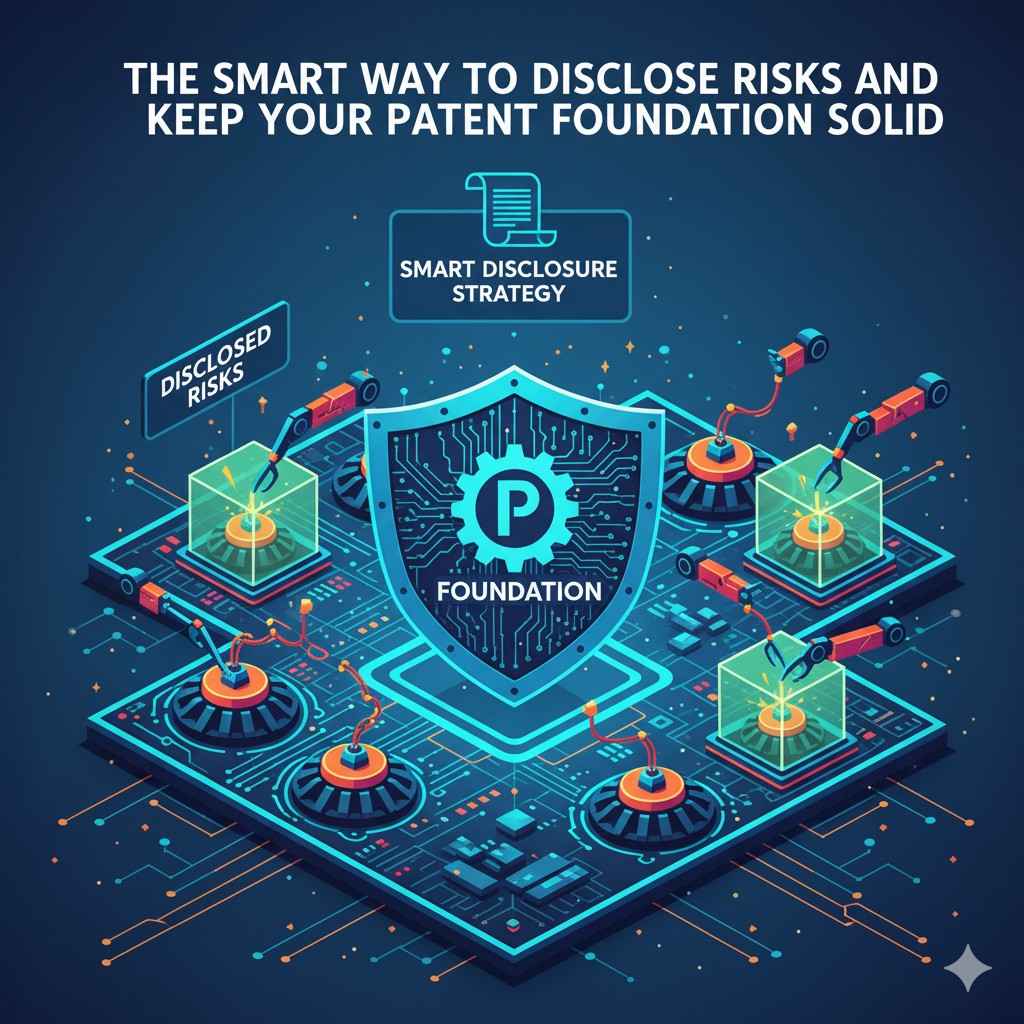
Instead of worrying about what you might forget, you simply record the facts. The system and the attorney turn those facts into a strategic disclosure plan. This keeps your filings efficient and reduces the risk of surprise during prosecution.
This combination creates the clarity that every growing company needs when dealing with patents.
Wrapping It Up
Every founder dreams of building something real, something defensible, something that lasts. But patents are not just pieces of paper that sit quietly in the background. They are living tools shaped by everything happening around your company. Pending litigation, foreign oppositions, past disagreements, and potential PTAB challenges are not side notes. They are part of the environment your patent must survive in. When you ignore them, they become landmines. When you confront them early and openly, they become guardrails that strengthen your entire IP foundation.