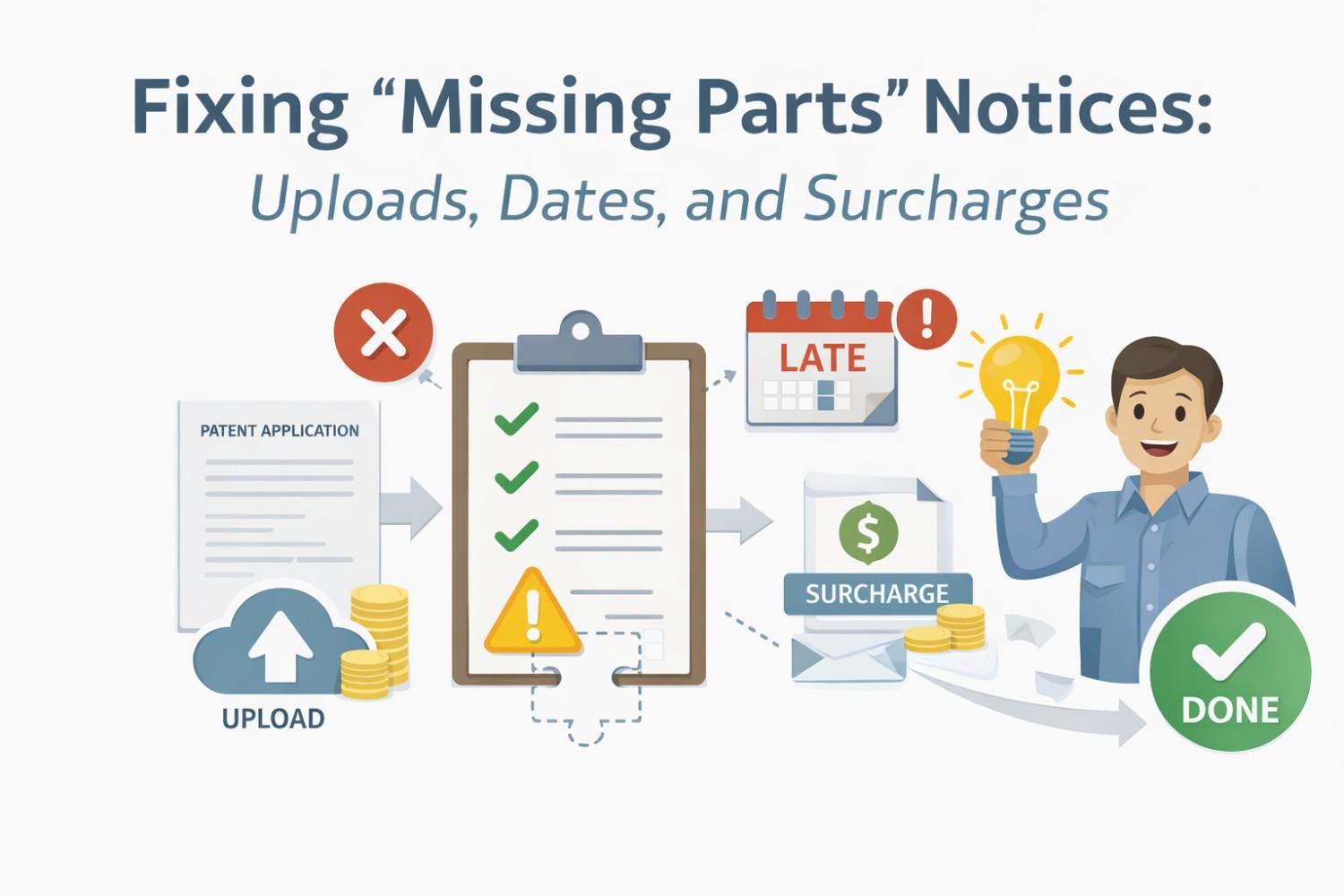
Missing Parts notices are one of the fastest ways a strong patent idea can get stuck, delayed, or quietly weakened. They show up when something small but critical is off, like a file upload, a date, or a fee, and they can cost you time, money, and leverage if you do not fix them the right way. In this article, we are going to break down exactly how these notices happen, what the Patent Office is really asking for, and how to fix each issue fast without stress or guesswork, so your patent keeps moving and your startup stays protected.
Why “Missing Parts” Notices Happen More Often Than You Think
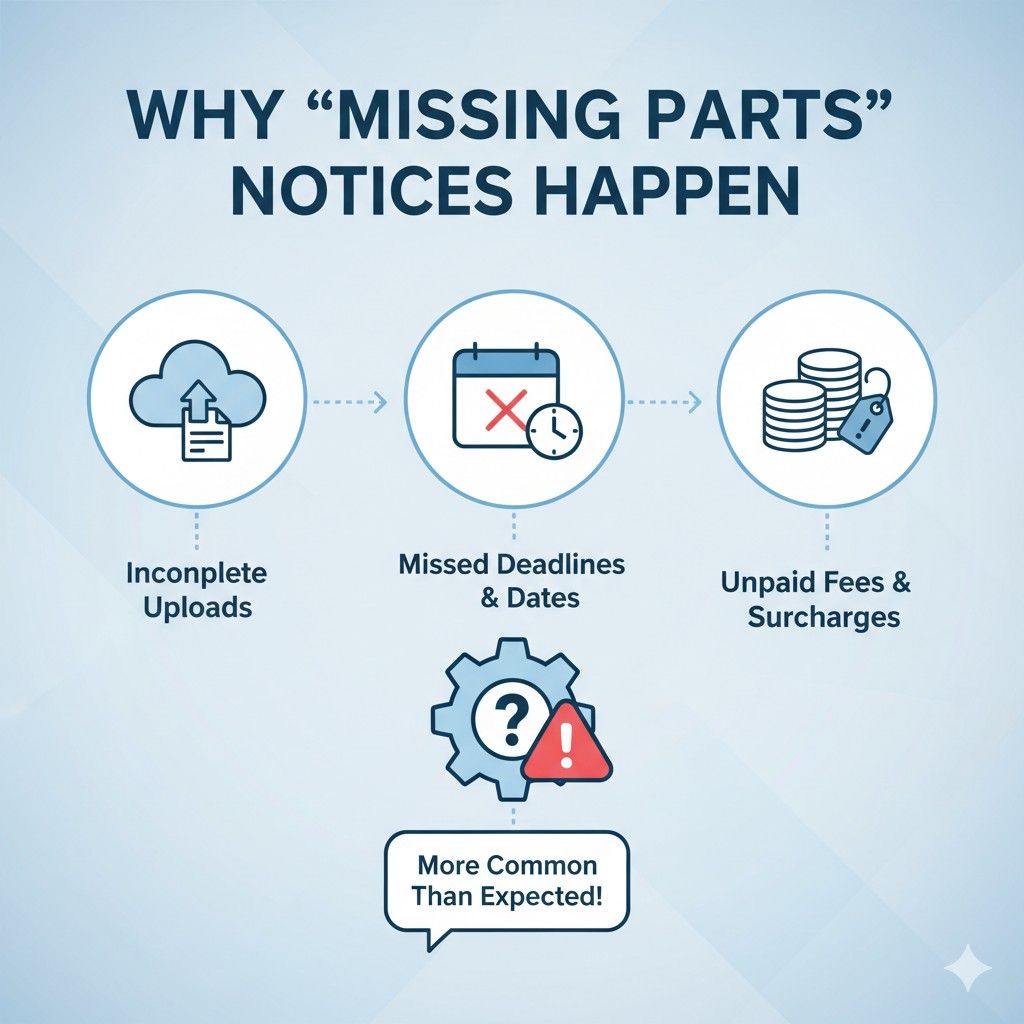
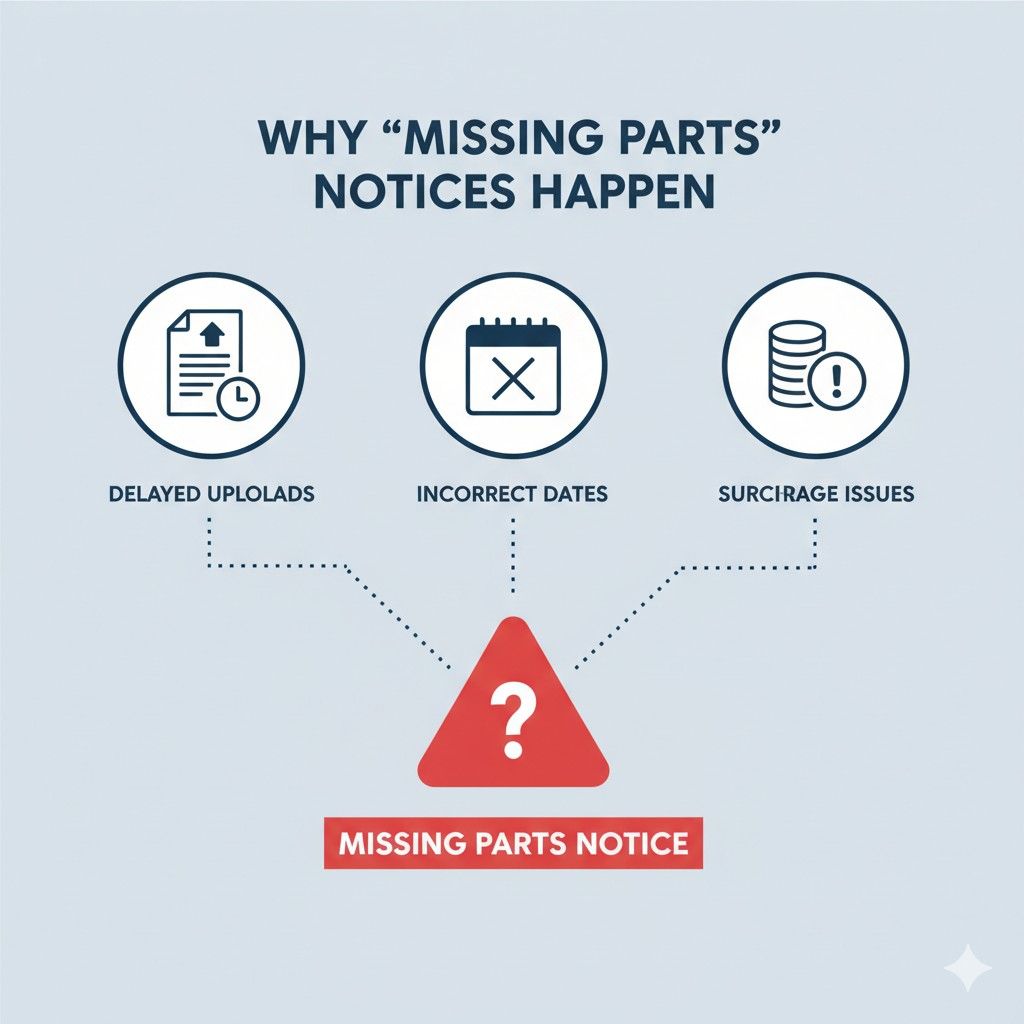
Missing Parts notices are not rare edge cases. They happen every single day to smart founders, funded startups, and experienced engineers. The reason is simple.
The patent system was not built for speed, software, or modern workflows. It was built around strict rules, fixed steps, and paperwork habits that do not match how teams build today.
When those two worlds clash, small gaps show up, and the Patent Office responds with a Missing Parts notice.
This section breaks down the real reasons these notices happen and what businesses can do differently to avoid them before they ever appear.
The Patent Office Assumes You Already Know the Rules
The Patent Office does not warn you before you make a mistake. It assumes that if you file something, you already understand every rule tied to that filing.
That includes what files must be present, how they must be uploaded, what dates control priority, and which fees must be paid at the exact moment of submission.
Most founders do not live in that world. They live in product roadmaps, code releases, customer calls, and investor updates. When a filing is done late at night or between meetings, it is easy to miss a required part without even realizing it.
The most useful thing a business can do is stop thinking of a patent filing as a single action. It is a chain of actions that must all land cleanly.
Treating it as a process instead of a task alone can prevent most Missing Parts notices before they start.
If you want to see how modern teams manage this without slowing down, you can explore how PowerPatent structures filings from start to finish at https://powerpatent.com/how-it-works.
Upload Systems Are Less Forgiving Than They Look
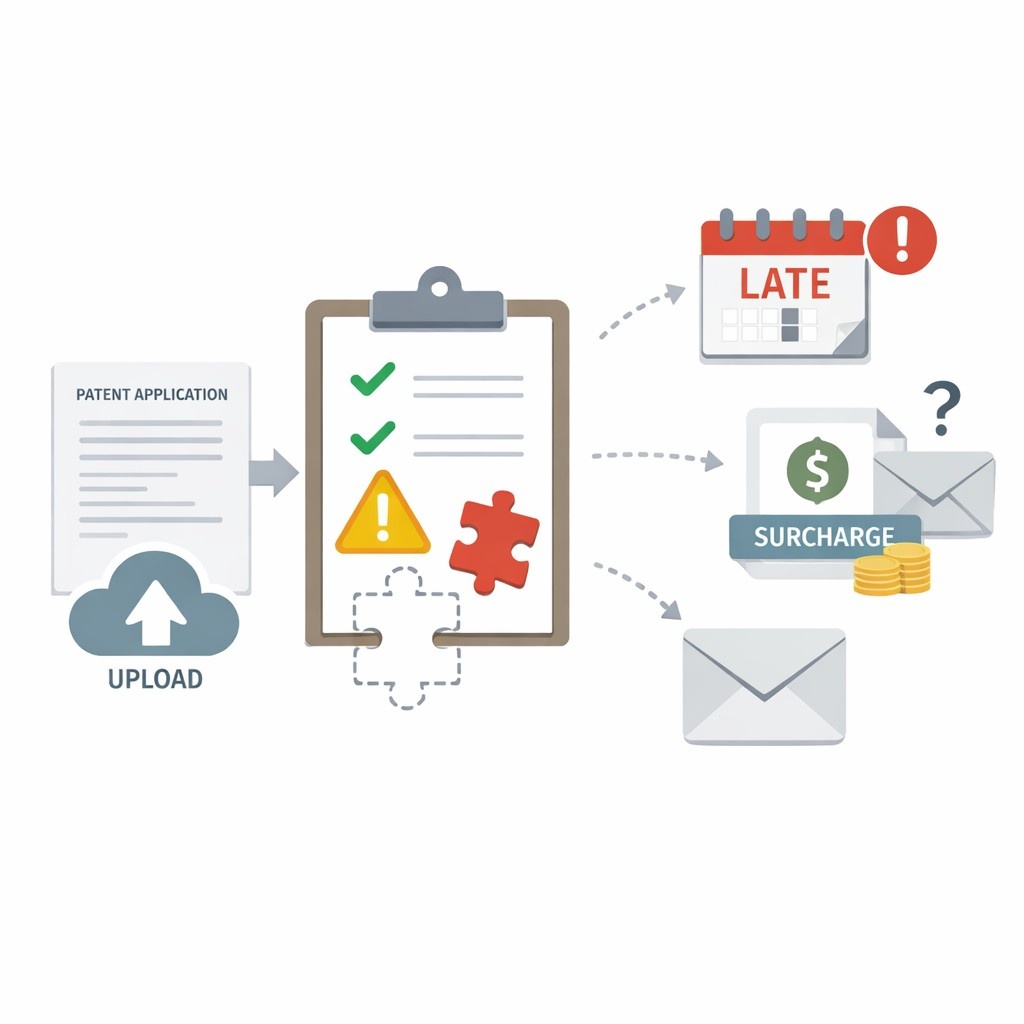
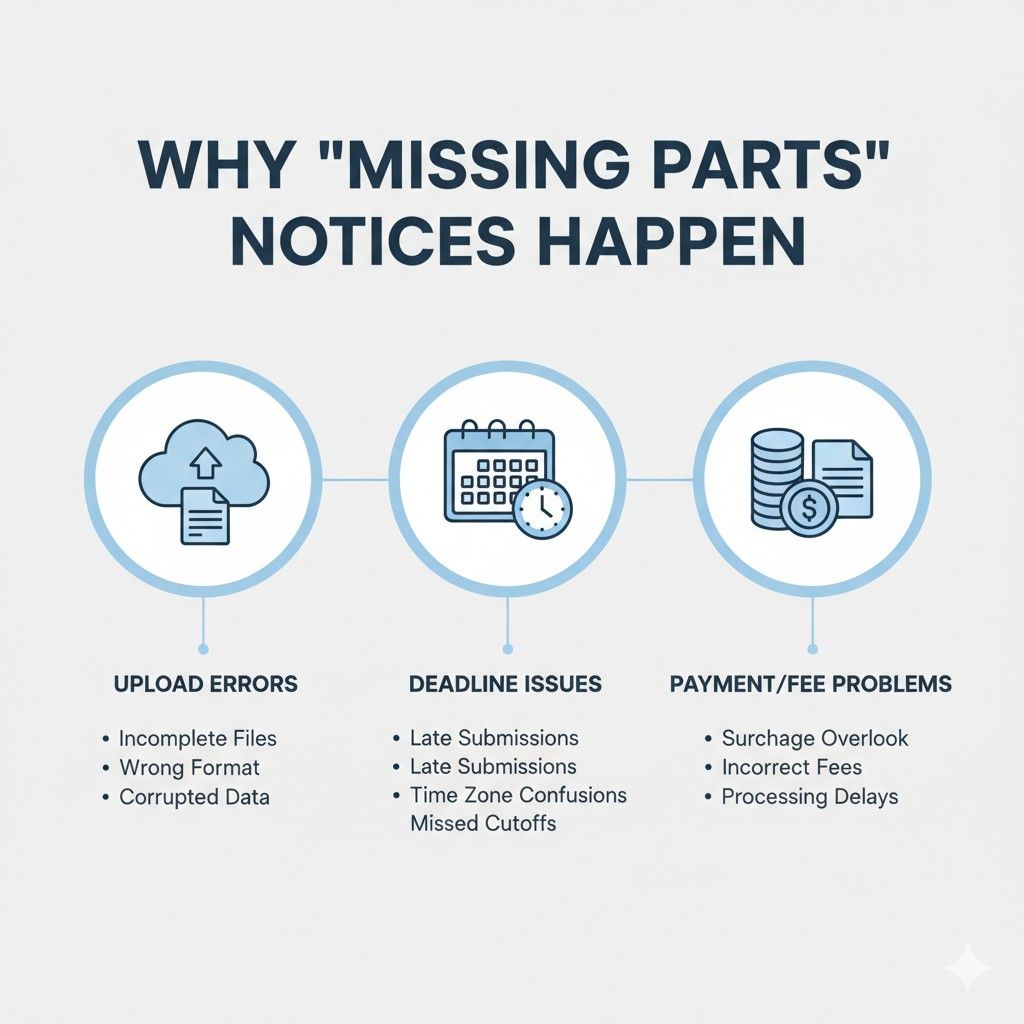
The online filing system looks simple. You upload documents, click submit, and get a receipt. That surface-level ease hides how strict the system really is. A file can upload but not register correctly.
A document can be attached but not categorized the right way. A drawing can be present but not linked to the application record as required.
From the Patent Office point of view, if the system does not see the file exactly where it expects it, the file does not exist. It does not matter that you had it ready or meant to include it.
A smart move for businesses is to verify the filing after submission, not just rely on the confirmation screen.
Reviewing the official filing receipt and checking that every required document is listed by name and type is one of the simplest ways to catch problems early.
Provisional and Non-Provisional Confusion Creates Gaps
Many Missing Parts notices come from confusion between provisional and non-provisional filings.
A team may think a provisional gives full coverage, or that converting later is automatic. It is not. Each filing has its own rules, documents, and deadlines.
Problems often happen when a non-provisional is filed close to the one-year mark. A rushed filing may miss a declaration, an oath, or the right fee status. The intent is correct, but the execution leaves something out.
Businesses should decide early which filing path they are on and map the steps months ahead, not days ahead. When deadlines feel distant, quality improves. When deadlines feel urgent, mistakes creep in.
This is one of the biggest areas where founders benefit from systems that guide the process instead of leaving them to guess. Platforms like PowerPatent are built to keep these paths clear and aligned, which you can see in detail at https://powerpatent.com/how-it-works.
Dates Are Easy to Misunderstand and Hard to Fix
Dates control everything in patents. Priority, ownership, rights, and enforceability all depend on dates being correct. A Missing Parts notice often comes from a date mismatch that the filer did not even know existed.
For example, the filing date may be correct, but the priority claim date is missing or formatted incorrectly. Or the application references an earlier filing that was never properly linked.
From the Patent Office view, that is a missing part, even though the invention itself is fully described.
A strong habit for businesses is to keep a simple internal timeline of invention milestones. When was the idea first written down. When was code first committed.
When was anything shared publicly. Aligning this timeline with the filing details reduces the chance of silent date errors that only surface later as official notices.
Fee Timing Is Less Flexible Than Founders Expect
Startup culture is used to flexibility. You can often fix things later, update details, or pay after the fact.
Patent fees do not work that way. Many Missing Parts notices are triggered by fee issues that feel small but are treated as critical.
Sometimes the wrong entity status is selected. Sometimes a fee is partially paid. Sometimes a surcharge applies and is not included. The Patent Office does not assume intent.
If the full correct amount is not paid at the right time, the filing is incomplete.
The practical advice here is to never treat fees as an afterthought. They are part of the filing itself.
Reviewing fee calculations before submission and confirming payment status immediately after can save weeks or months of delay.
Teams File Too Late in the Day
A surprising number of Missing Parts notices come from filings done at the last possible moment. Late nights, deadline pressure, and tired decisions increase the chance that something is skipped or misread.
Filing earlier in the day or earlier in the week gives teams time to double-check details and respond if something goes wrong.
The Patent Office system does not care how busy you were or why you filed late. It only cares whether every required part is present.
Founders who treat patent filings like investor deadlines tend to perform better. They plan ahead, assign responsibility, and leave room for review.
No One Owns the Final Review
In many startups, patents are handled by multiple people. One person writes. Another uploads. Another approves payment. When responsibility is spread too thin, no one fully owns the final check.
Missing Parts notices thrive in gaps between roles. The solution is simple but often overlooked.
Assign one person to own the final submission review. That person does not need to be a legal expert. They just need a clear checklist and the authority to pause submission if something feels off.
This is one of the quiet advantages of using structured patent software with attorney oversight. Ownership is built into the workflow instead of left to chance.
You can see how that works in practice at https://powerpatent.com/how-it-works.
The Patent Office Does Not Care About Intent
This is the hardest truth for many founders. The Patent Office does not judge effort, intent, or innovation quality when issuing Missing Parts notices. It only checks compliance.
A brilliant invention with a missing form is treated the same as a weak one.
Once businesses accept this reality, their strategy shifts. The goal becomes making compliance automatic, boring, and repeatable.
When compliance fades into the background, founders can focus on building instead of fixing avoidable errors.
Small Errors Compound Over Time
A Missing Parts notice may look minor, but it often triggers a chain reaction. Deadlines shift. Costs increase. Attention drifts. In some cases, priority rights weaken.
Fixing the notice quickly is important, but preventing it in the first place is even more valuable.
The most effective teams build systems that assume mistakes are likely and design around them. They use tools, reminders, and reviews to catch issues early. They do not rely on memory or last-minute checks.
If you want to see how modern startups remove this risk without adding overhead, take a look at how PowerPatent supports filings end to end at https://powerpatent.com/how-it-works.
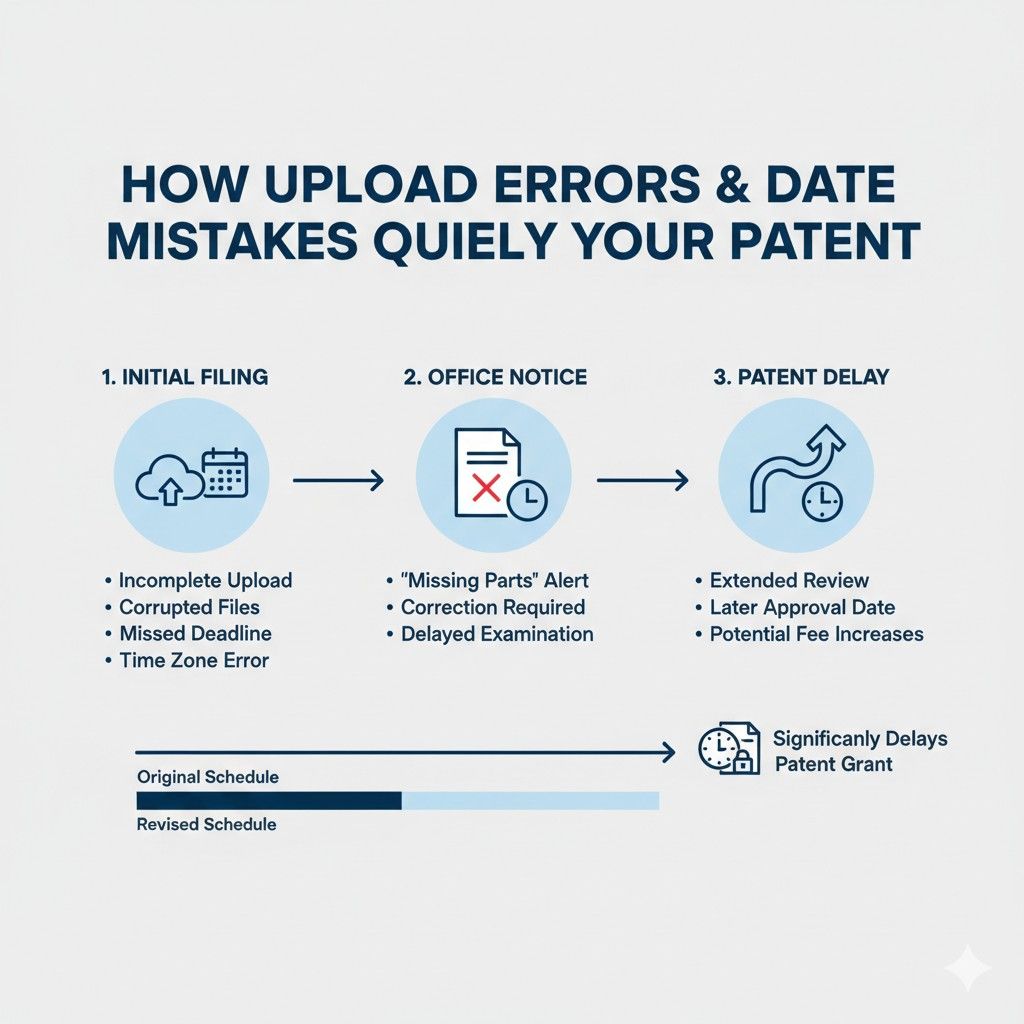
How Upload Errors and Date Mistakes Quietly Delay Your Patent
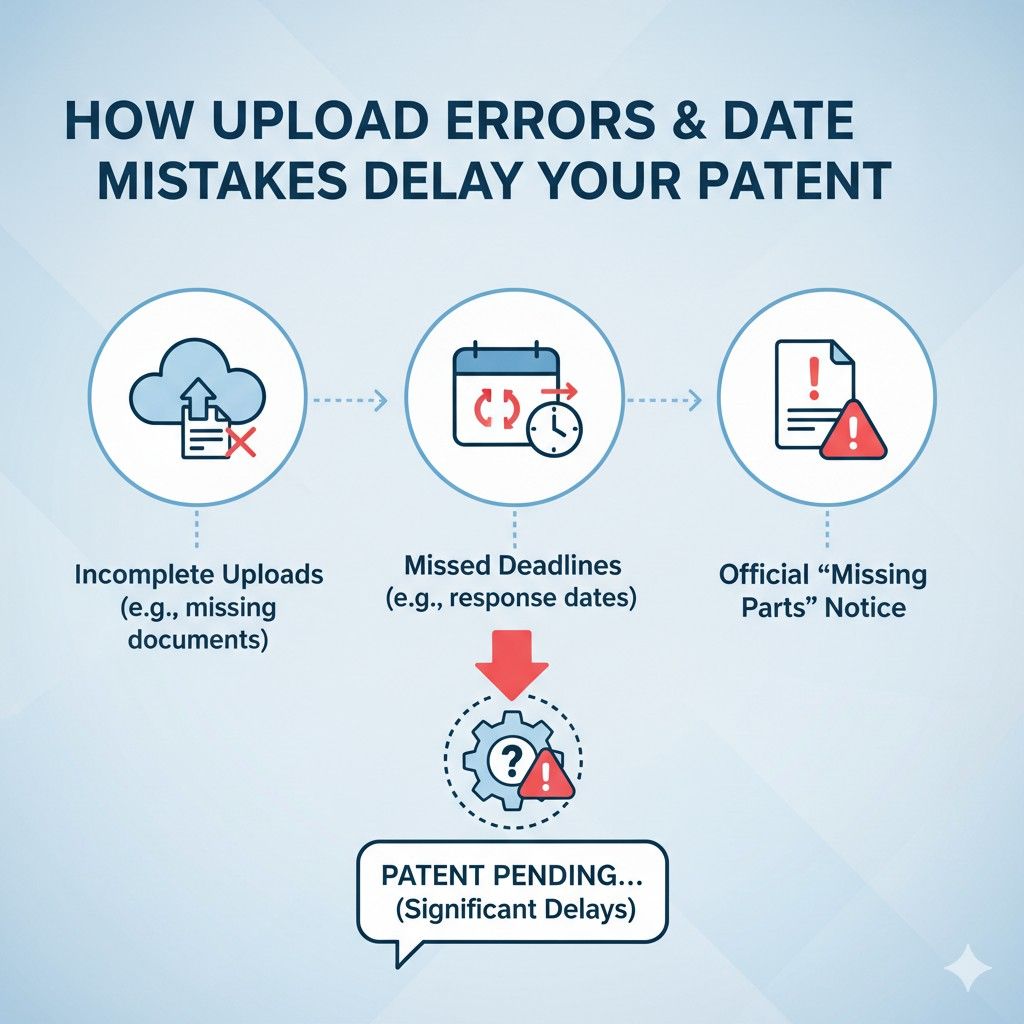
Upload errors and date mistakes are the most common reasons patents slow down without founders realizing why. Nothing looks broken at first. You get a filing receipt.
You move on. Weeks later, a notice arrives that stops everything. By then, fixing the issue takes more time, more money, and more attention than it ever should have.
This section explains how these issues actually happen inside real businesses and what you can do, in practical terms, to avoid silent delays that chip away at your momentum.
Uploads Fail in Ways You Cannot See
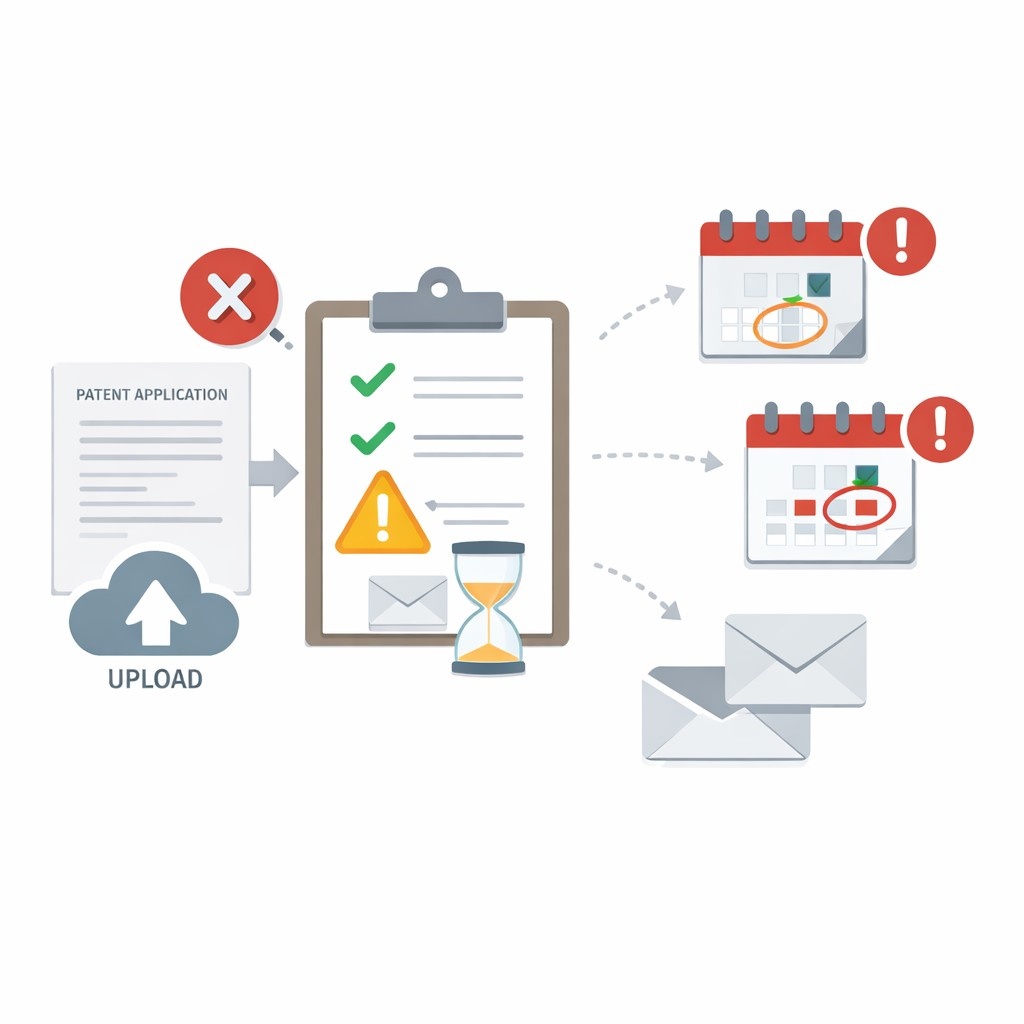
Most founders assume that if a document uploads, it is accepted. That is not always true. The filing system can accept a file but still flag it as incomplete if the file format, labeling, or placement does not match strict internal rules.
For example, a specification uploaded under the wrong document type is treated as missing, even though the text is there.
Drawings uploaded as a single file instead of separate pages may not register correctly. These are not obvious mistakes unless you know what the system expects.
The safest habit is to review the official filing receipt line by line. If a document does not appear exactly where it should, the Patent Office does not consider it filed.
Businesses that make this review part of their routine catch problems within hours instead of weeks.
File Names Matter More Than You Think
The system reads file names and metadata. A vague or auto-generated name can confuse classification. When files are not clearly labeled, they are more likely to be miscategorized or rejected silently.
Teams that standardize file naming before upload reduce this risk significantly.
Clear names that match document types help the system and anyone reviewing the filing later. This small discipline saves time when questions come up months or years down the line.
Versions Get Mixed Up Under Pressure
In fast-moving teams, documents change quickly. It is common for multiple versions of a specification or set of drawings to exist. When filing is rushed, the wrong version can be uploaded, or a draft version may be missing required sections.
The Patent Office does not know which version you intended to file. It only sees what was submitted. If required content is missing, the notice follows.
One practical solution is to freeze filing documents at least a day before submission.
Treat them as final and do not edit them during the upload window. This reduces confusion and last-minute swaps that lead to missing parts.
Time Zones Create Hidden Date Problems
Date mistakes often come from time zone assumptions. The Patent Office runs on Eastern Time. A filing submitted late at night on the West Coast may fall into the next day legally, even if the founder believes it was on time.
This matters most near deadlines. A filing that misses a critical date by minutes can lose priority or trigger additional requirements.
Businesses that file earlier in the day avoid this risk entirely. Planning submissions well ahead of deadlines is not just less stressful, it is safer.
Priority Claims Are Easy to Get Wrong
Claiming priority to an earlier filing sounds simple, but the details matter. The application must reference the earlier filing correctly, with accurate numbers and dates. If anything is off, the Patent Office treats the claim as missing.
This often happens when teams rely on memory or informal notes instead of verified records. A single digit error can cause weeks of delay.
Keeping a centralized record of all filings and their details is one of the most effective ways to prevent this. When priority information is copied directly from official records, errors drop sharply.
Public Disclosures Create Date Conflicts
Founders often share demos, blog posts, or pitch decks before filing. If these disclosures happen close to the filing date, any confusion about dates becomes more serious.
If the Patent Office questions whether an invention was disclosed before filing, missing or unclear dates can weaken your position. Even if the disclosure was safe, unclear records make it harder to prove.
A simple internal rule helps here. Always document when something is shared publicly and tie that date to your filing timeline. This creates a clear story if questions arise later.
Amendments Cannot Always Fix Date Issues
Some founders assume they can fix date mistakes later with amendments. That is not always true. Certain date-related errors cannot be corrected without losing rights or paying penalties.
The cost of getting dates right the first time is far lower than the cost of fixing them later. This is why experienced teams treat date accuracy as a core part of their IP strategy, not a clerical detail.
Upload Errors Slow Investor Conversations
Delays from upload errors do not just affect the Patent Office timeline. They affect fundraising, partnerships, and acquisitions. When investors ask about patent status, a Missing Parts notice can raise questions and slow decisions.
Founders who can confidently say their filings are clean and moving forward have an advantage. Clean filings signal operational discipline, not just legal compliance.
This is one reason many startups choose structured platforms with built-in checks instead of manual uploads. You can see how that approach works in practice at https://powerpatent.com/how-it-works.
Quiet Delays Add Real Costs
Every delay has a cost, even if it does not show up as a line item. Legal follow-ups take time. Founders get pulled into administrative work. Strategy discussions get postponed.
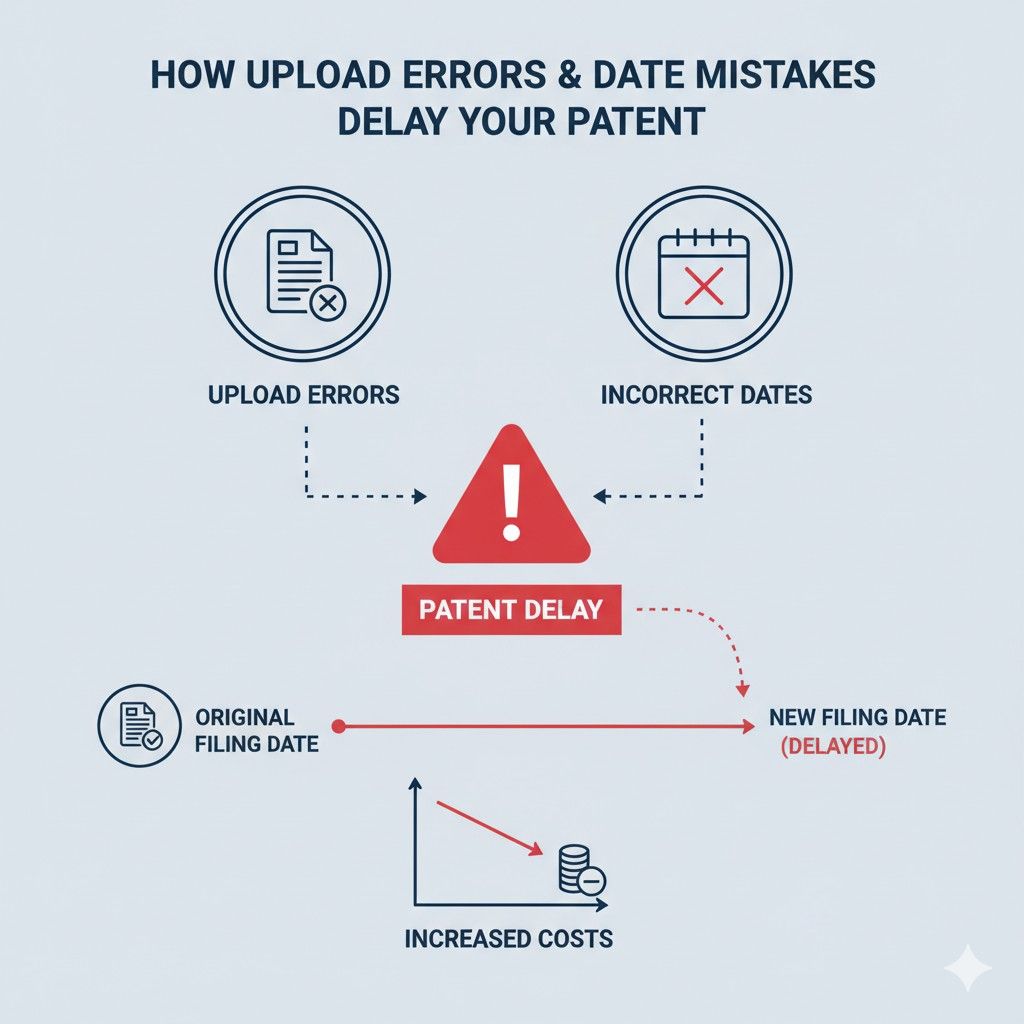
Avoiding upload and date errors is one of the highest leverage moves a business can make in its patent process. It protects time, focus, and credibility.
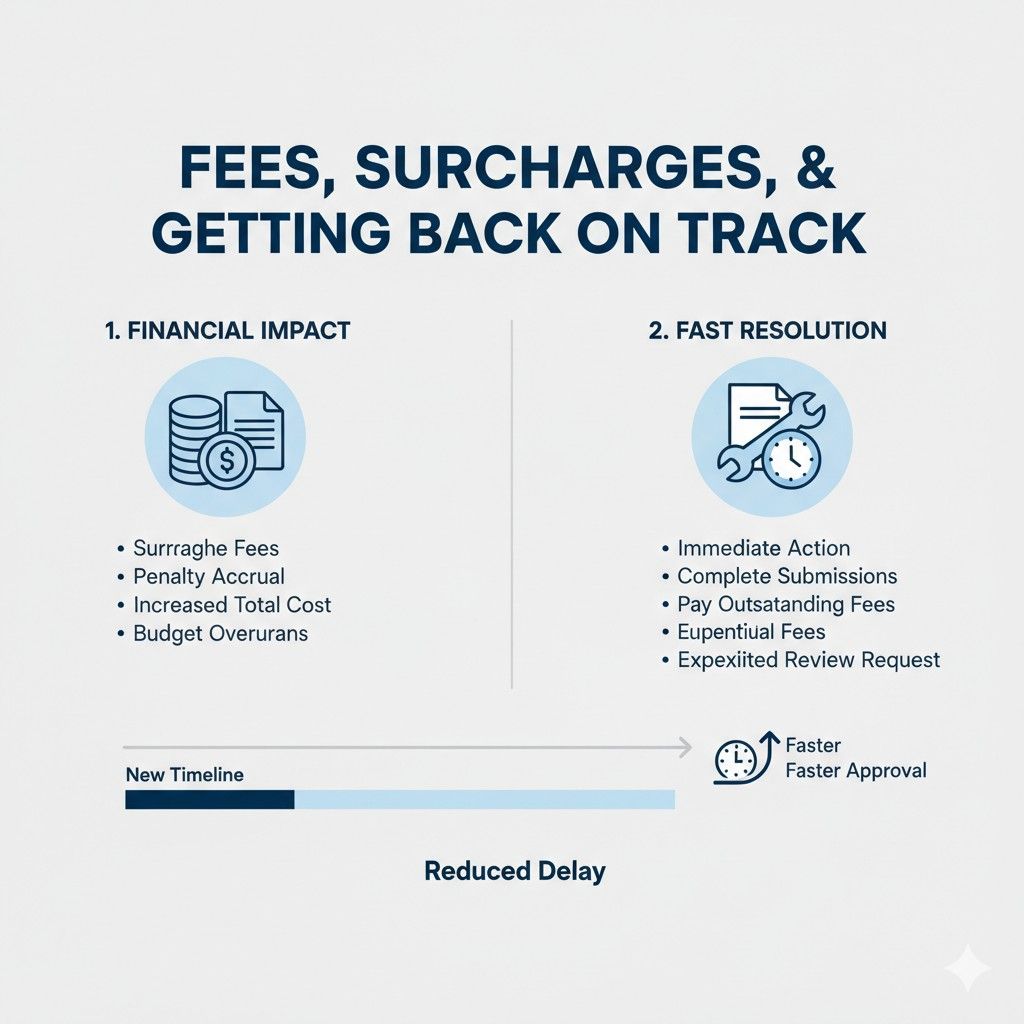
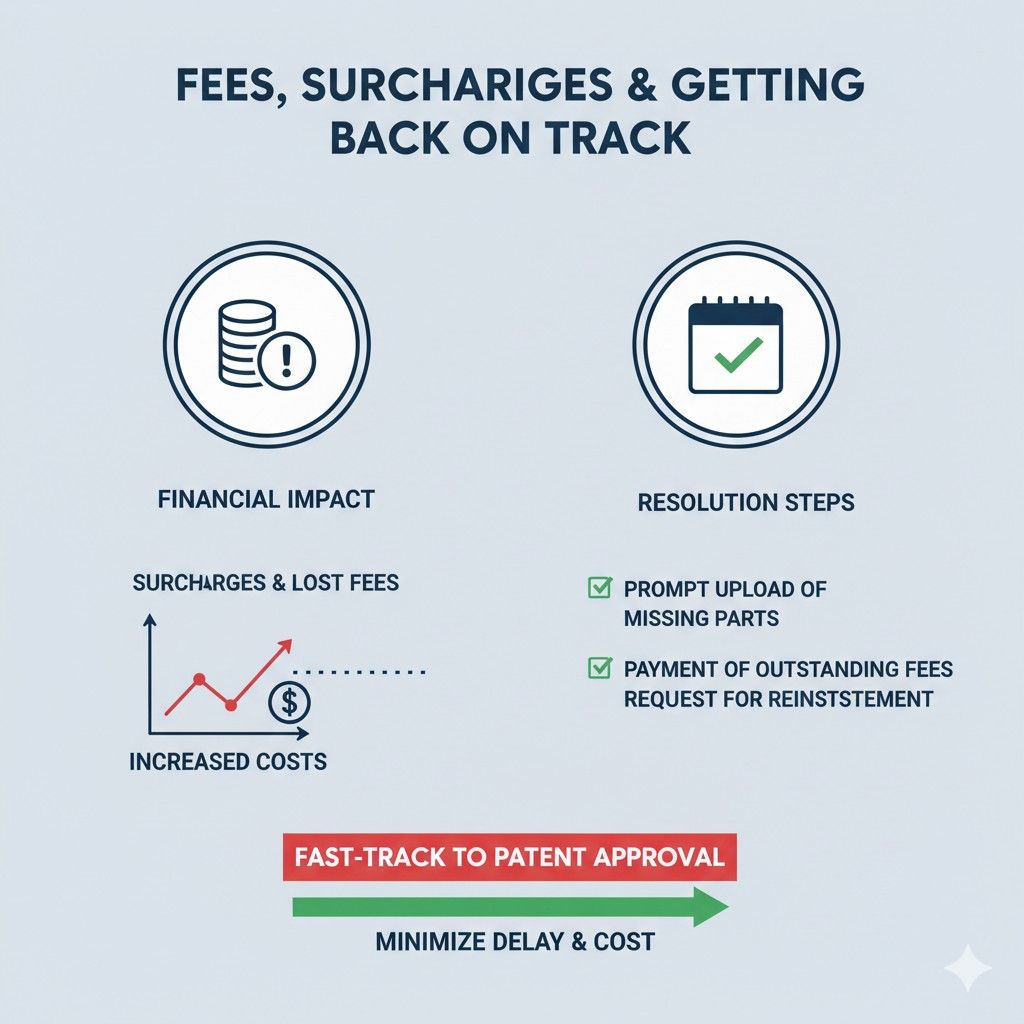
Fees, Surcharges, and the Fastest Way to Get Back on Track
Fee issues are where many patent filings quietly go off the rails. Nothing feels wrong at first. The invention is solid. The documents are uploaded. The filing receipt arrives.
Then a Missing Parts notice shows up asking for payment, a surcharge, or a correction tied to money. At that point, the application is technically incomplete, and the clock starts ticking.
This section explains why fee problems happen so often, how they affect businesses in real terms, and how to fix them fast without creating new issues.
The Patent Office Treats Payment as Part of the Filing
From a business point of view, payment feels like an administrative step. From the Patent Office point of view, payment is part of the legal act of filing.
If the correct fee is not paid at the right time, the application is not complete, no matter how good the invention is.
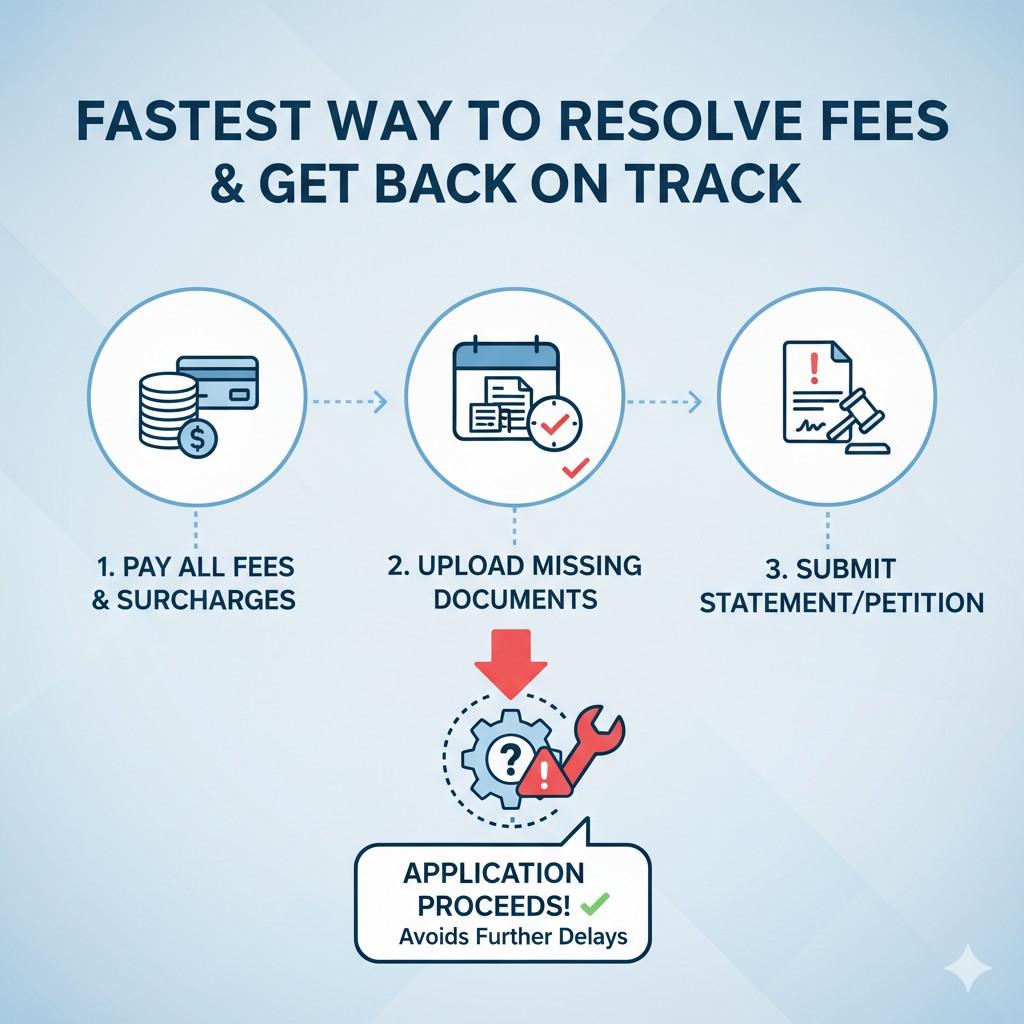
This disconnect causes many Missing Parts notices. Founders assume they can fix payment later. The system does not work that way.
The most effective mindset shift is to treat fees as inseparable from the filing itself. If payment is wrong, the filing is wrong.
Entity Status Is Easy to Misclassify
One of the most common fee problems comes from entity status. Startups often qualify for reduced fees, but only if the status is claimed correctly. If the wrong status is selected, the Patent Office flags the payment as insufficient.
This mistake often happens when companies change quickly. A startup may start as a small entity and later take funding that changes its status. If filings are not updated to reflect that change, fee errors follow.
A practical habit is to review entity status before every filing, even if nothing seems to have changed. Treat it like checking your address before shipping something important.
Partial Payments Trigger Automatic Notices
Sometimes a fee is partially paid without the filer realizing it. This can happen when optional fees are misunderstood or when surcharges apply but are not included.
The system does not prompt you to fix this at the moment. It accepts the payment and issues a Missing Parts notice later. By then, time has already been lost.
The fastest way to avoid this is to calculate fees using current rules and confirm the total matches what was paid on the filing receipt. Any mismatch is a signal that a notice may be coming.
Surcharges Feel Punitive but Are Often Avoidable
Surcharges frustrate founders because they feel like penalties for small mistakes. In reality, most surcharges are avoidable with better timing and process.
Late filings, missing documents, or incorrect payments often trigger extra fees that could have been avoided by filing earlier or reviewing details more carefully.
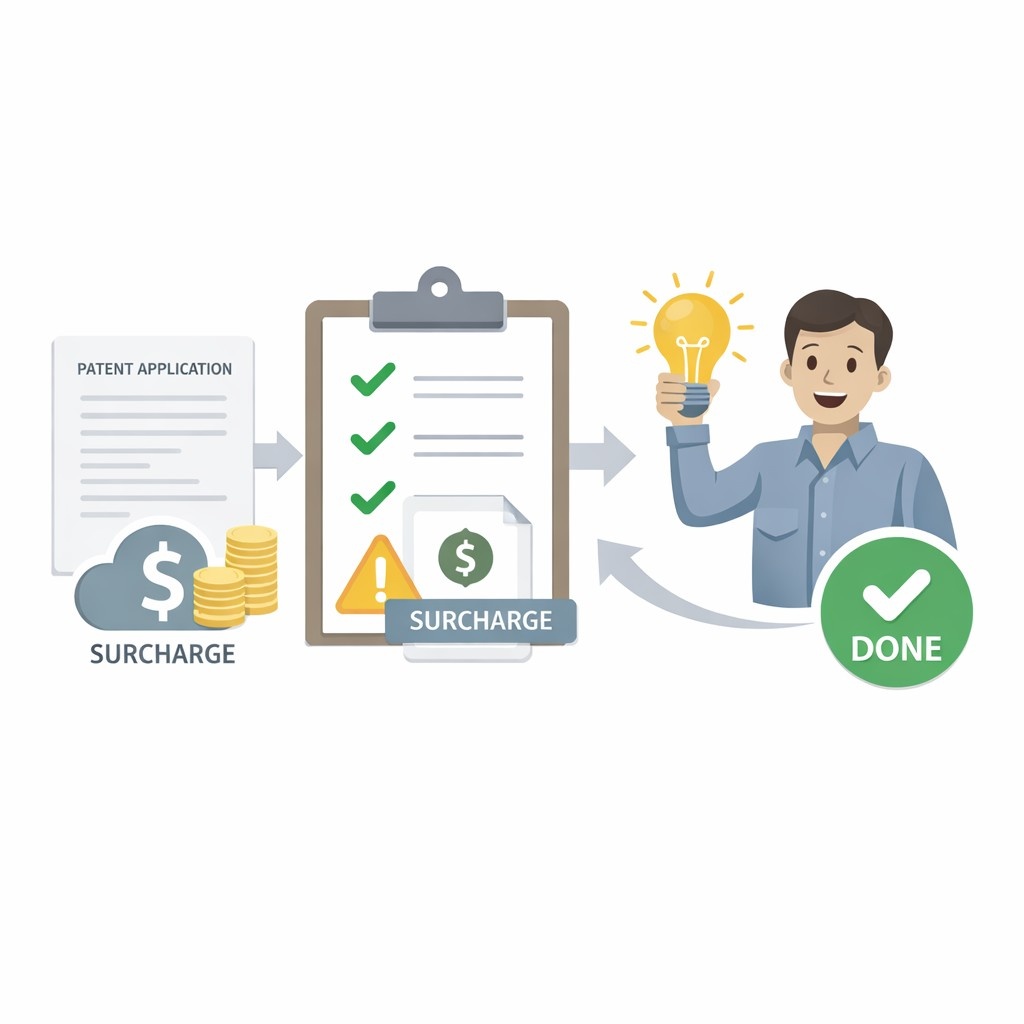
When a surcharge does appear, speed matters. Paying it quickly and correctly prevents further delays and shows the Patent Office that the issue is being handled.
Cash Flow Timing Can Create Problems
Startups manage cash carefully. Sometimes a filing is submitted before funds are fully ready, with the plan to pay immediately after. This gap can be enough to trigger a Missing Parts notice.
The Patent Office does not align with startup cash flow realities. It only sees whether payment was made on time.
Planning filings around confirmed payment availability is a simple but powerful tactic. It reduces risk and keeps filings clean.
Fixing Fee Issues Requires Precision
When responding to a Missing Parts notice related to fees, precision matters. Paying the wrong amount again or selecting the wrong reason can create a second notice.
Founders should read the notice carefully and match the response exactly to what is requested. Guessing or rushing often makes things worse.
This is where having guidance or review from experienced patent professionals can save significant time.
Platforms that combine software with attorney oversight help ensure that fixes actually close the issue instead of reopening it. You can see how that support works at https://powerpatent.com/how-it-works.
Delayed Payments Affect Patent Timeline
Every day a fee issue remains unresolved pushes the application timeline out. Examination does not move forward. Rights remain uncertain. Strategic plans tied to the patent may stall.
Businesses that prioritize fast resolution maintain momentum. Treating Missing Parts notices as urgent operational tasks, not background paperwork, makes a real difference.
Fee Issues Can Signal Deeper Process Gaps
Repeated fee-related notices often point to larger workflow problems. They suggest unclear ownership, rushed submissions, or outdated assumptions.
Instead of treating each notice as an isolated problem, strong teams use them as feedback. They ask what allowed the mistake to happen and adjust their process to prevent repeats.
Over time, this approach turns compliance into a strength instead of a weakness.
Clean Filings Build Long-Term Confidence
When fees, uploads, and dates are handled cleanly, founders gain confidence in their IP position. That confidence shows up in investor meetings, partner discussions, and internal planning.
Patents stop feeling fragile and start feeling like assets.
Modern tools exist to make this level of consistency normal instead of rare. If you want to see how startups build this confidence without slowing down, take a look at https://powerpatent.com/how-it-works.
Wrapping It Up
Missing Parts notices feel frustrating because they rarely mean your invention is weak. They mean the process broke down in small, avoidable ways. Uploads landed in the wrong place. Dates did not line up perfectly. Fees were slightly off or late. None of these reflect the value of what you are building, yet all of them can slow or weaken your patent if they are not handled with care.