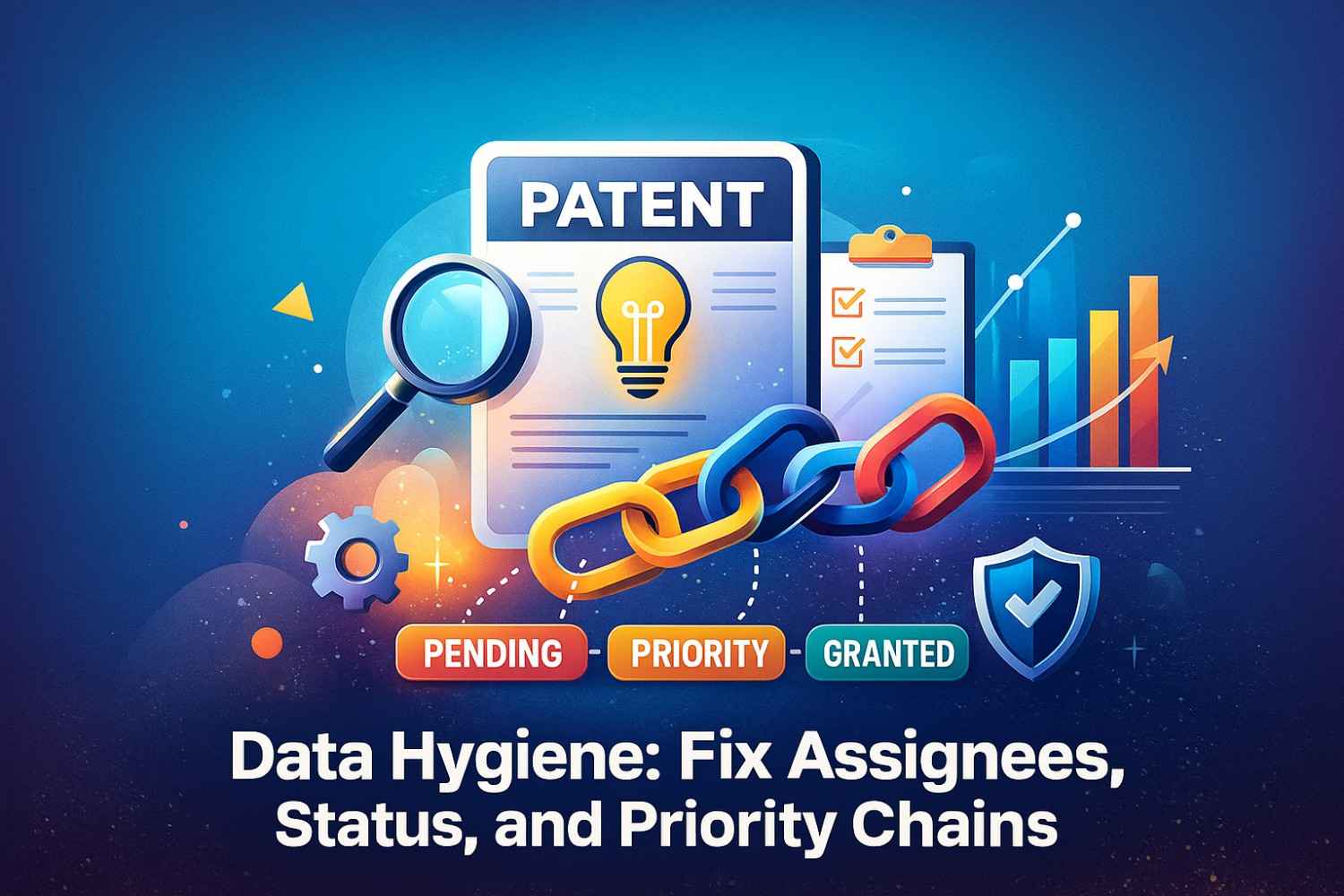
Most founders don’t think about data hygiene when they think about patents. They think about protecting an idea, filing on time, maybe avoiding a competitor copying what they built. But the truth is simple: if your patent data is messy, slow, or wrong, the whole foundation of your IP becomes shaky. A tiny mistake in an assignee name can break ownership. A single wrong status flag can make investors doubt if you even control your own inventions. A missing step in a priority chain can cost you your earliest filing date, which can kill a patent before it even gets examined.
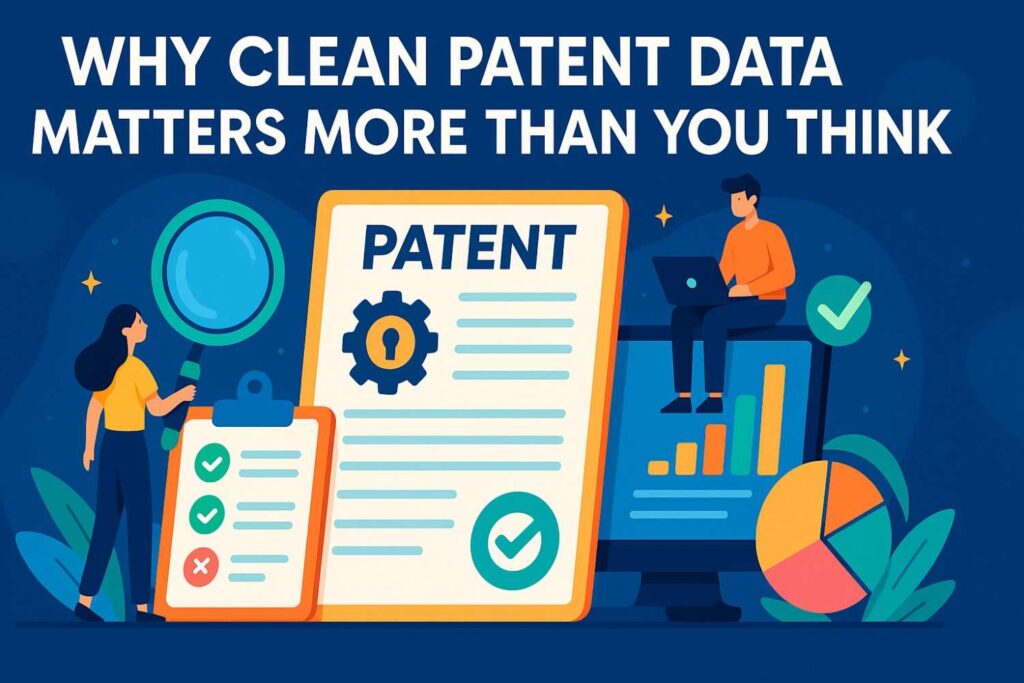
Why Clean Patent Data Matters More Than You Think
Every company relies on information, but patent information carries a different kind of weight. It defines who owns what, what protection exists, and how strong that protection really is.
Many founders do not realize how fragile this data becomes as a company grows.
A small mistake that feels harmless today can quietly create a break in the chain later.
This is why clean patent data matters far more than it seems at first glance. It is not only about accuracy. It is about long-term safety, leverage, and trust.
How Clean Data Helps You Move Faster
Speed matters for every startup, but speed depends heavily on clarity. When your patent data is clean, every next step becomes faster. Attorneys understand your filings without second-guessing.
Examiners move through reviews without asking for extra documentation. Investors do not have to pause diligence to understand who owns what. A clear data trail removes friction from the entire patent process.
This kind of clarity allows founders to shift energy back to building the actual product, instead of correcting avoidable mistakes.

When your data is maintained with care from the beginning, you avoid the long delays that come from sudden surprises.
It also helps your company avoid unnecessary back-and-forth with law firms, government offices, or partners. With clean data, momentum stays on your side.
How Clear Ownership Builds Trust With Investors
Ownership is one of the first things an investor checks. If the chain of ownership is confusing, incomplete, or inconsistent, trust drops quickly. Even if the product is strong, unclear patent data signals risk.
Investors do not want to chase missing documents or wonder if someone else might later claim rights to the invention. They want to see a clean story. They want to know that the company built something and truly owns it.
Clean data turns your patents into assets that feel dependable. It shows that the company takes its intellectual property seriously and manages it with discipline.
When this trust is earned early, investors feel safer supporting your growth. They also move faster when they know the foundation is stable.
This is one area where a tool like PowerPatent becomes extremely helpful.
It catches messy ownership records before they become real problems, and it gives founders a clean, attorney-checked record they can confidently share with anyone evaluating the business. You can see how this works at https://powerpatent.com/how-it-works.
How Clean Status Records Protect You From Silent Failure
Patent applications shift through many stages. A missed deadline, a misunderstood status update, or a wrong docket entry can quietly jeopardize the entire application.
Many founders think the filing is safe once submitted, but the truth is that the system requires constant attention.
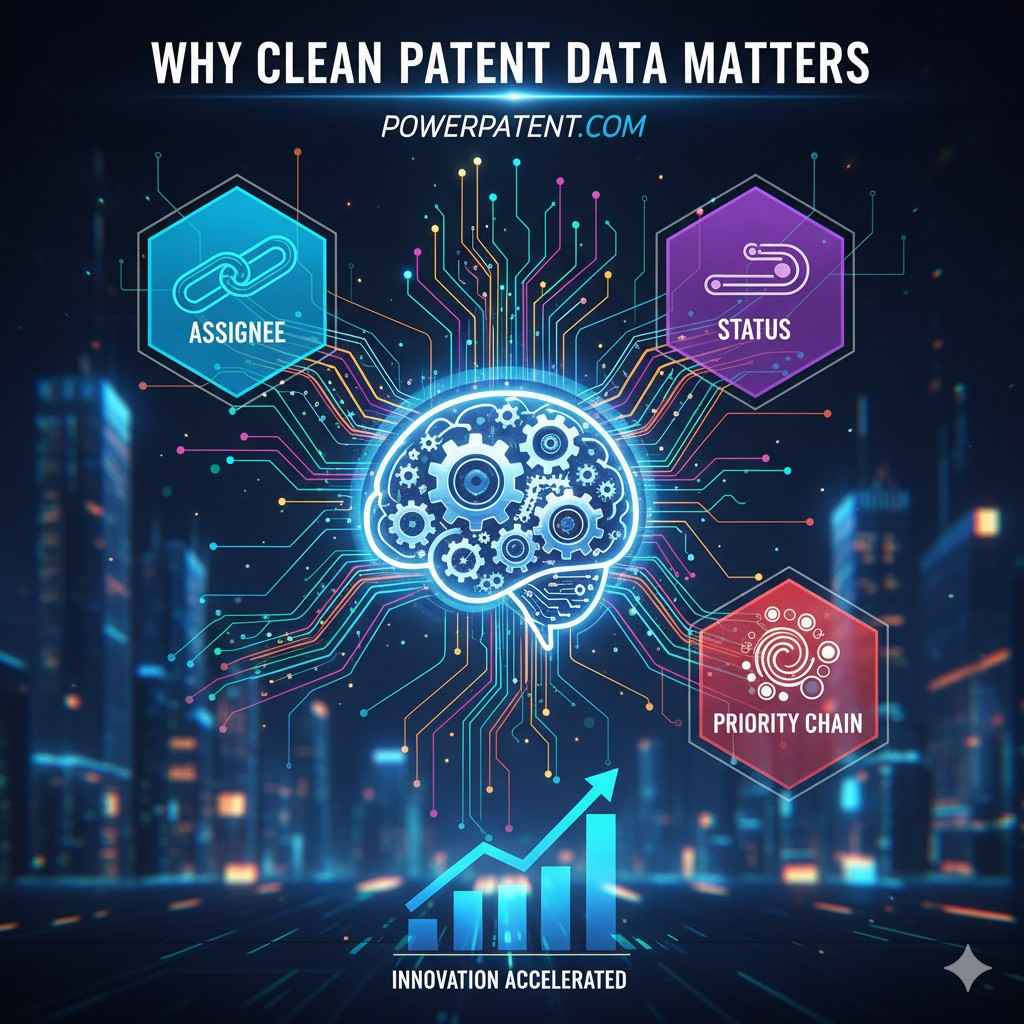
Clean status data is your signal system. When your status data is accurate, you know what needs to be done next and by when. Nothing falls through the cracks.
A clean status record is like a living map. It shows which filings are active, which require responses, which are approaching deadlines, and which are now granted.
When this map is organized, you prevent costly gaps that come from simple oversight.
The moment you lose track of where an application stands, the risk of abandonment increases. Clean data makes sure the application stays alive and moving forward.
How Clean Priority Chains Strengthen Global Rights
Priority chains tell the story of your earliest filing date. This date shapes everything: what countries you can enter, what rights you can claim, and how far your protection reaches.
If anything in this chain is wrong, broken, or missing, the entire story collapses.
When your priority chain is clean, you keep the strongest possible protection across borders. A complete chain also gives you the confidence to file quickly in new markets without worrying that a missing document will weaken your claim.
Many founders underestimate how sensitive this part of the process is. A single missing link can shrink your rights or erase them entirely.
This is why clean data matters for global strategy. You want every international filing to stand on a firm base.
If the earliest date is secure and correctly linked, your global patent footprint becomes stronger and harder to challenge. Clean priority data gives you certainty at every stage of expansion.
How Clean Data Reduces Legal Costs Over Time
Messy data is expensive. Attorneys spend extra hours searching for old documents, correcting inconsistencies, filing extra assignments, or restoring missed deadlines.
Every correction takes time, and every hour of cleanup comes with a price. When the data is clean from the start, you avoid these unnecessary costs.
Clean data also prevents disputes. When ownership is clear, nobody wastes time arguing about who controls the invention. When priority chains are complete, nobody fights over filing dates.
When status is accurate, nobody scrambles to fix avoidable deadlines. Keeping data clean is one of the simplest ways to lower your legal spend while raising the strength of your portfolio.
If you want a system that keeps all of this organized automatically, with real attorneys watching for errors, PowerPatent was built for exactly this purpose. You can learn more at https://powerpatent.com/how-it-works.
How Clean Data Gives You Confidence During Rapid Growth
As your company grows, your patent data becomes more active. You file new applications. You update assignments. You expand into new markets. Each of these steps adds complexity.
If your data habits are weak early on, things quickly become unmanageable. Clean data gives you confidence to scale without losing control of your IP.
When the foundation is clear, new filings plug in smoothly. New ownership changes settle into place easily. International filings build on the right priority dates.

Everything becomes simpler because the structure underneath it is solid. Clean data turns patent management from a defensive task into a strategic asset.
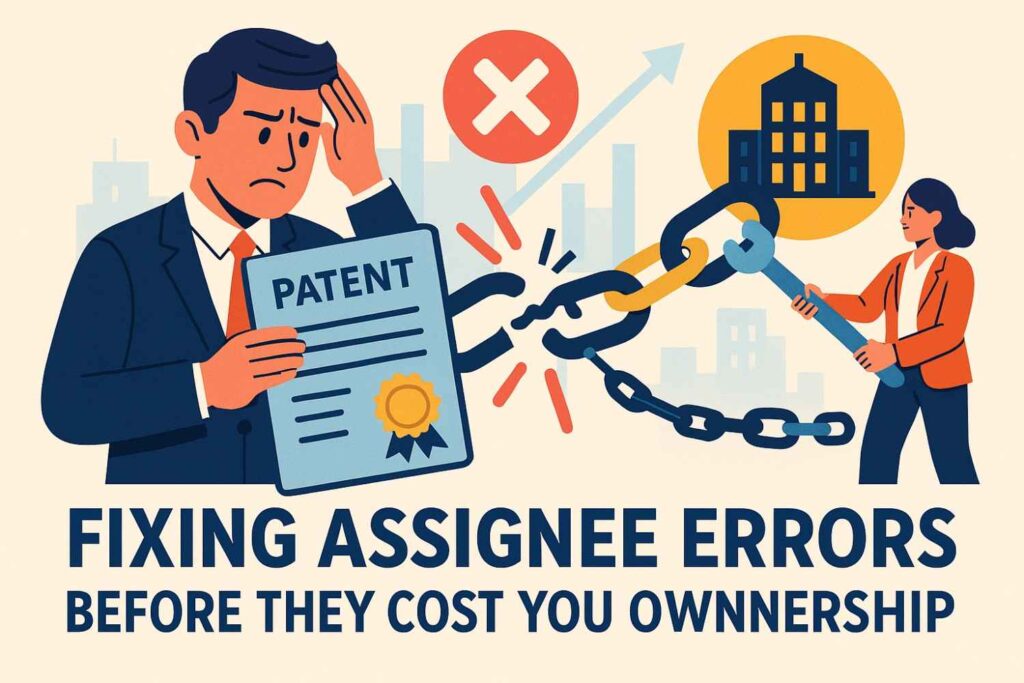
Fixing Assignee Errors Before They Cost You Ownership
Assignee data sits at the heart of every patent filing, yet it is also the part most likely to be messy, rushed, or mistaken. Many founders assume that once an assignment is signed, everything is settled.
But the truth is that small errors in assignee names, dates, or signatures can create cracks that quietly weaken ownership.
This section will help you understand why these issues appear so often and how to fix them before they become real problems for your business.
Why Assignee Data Breaks So Easily
Assignee records usually break because startups move fast. A company changes its name, but the old name still appears on filings. A founder transfers their rights to the company but forgets to update a document.
An investor requests proof of ownership, and the team scrambles to find the assignment agreements.
These small moments add up. None of them feel dangerous on their own, but over time they create gaps in the story of who truly owns the invention.
Another reason assignee data breaks is that many systems do not communicate well with each other. Your internal records may show one thing, while the records held by the patent office reflect something different.
When there is friction between these two sets of information, ownership becomes harder to prove.
A patent is only as strong as the paper trail that supports it.
This is why clean assignee data matters far more than founders expect. Ownership should never be uncertain. It should never depend on a memory or a missing document.
When everything matches perfectly, you gain a level of control that protects your company during fundraising, partnerships, and exits.
How to Create Assignee Records That Stay Clean
The key to keeping assignee data clean is to build a habit of updating documents as soon as the business changes. If your company changes its name, update every assignment at the same time.
If an employee creates a new invention, make sure the assignment is signed the same day the invention is recorded. If ownership transfers, make sure the chain reflects every step without gaps.
This sounds simple, but it requires consistency. A clean chain of assignments shows exactly how rights moved from the inventor to the company and then stayed with the company through every growth stage.
When this chain is complete and current, nobody can claim that the company lacks ownership. Every piece of paper supports the story.
A tool like PowerPatent helps you maintain this clarity at all times because it checks the data for errors, flags missing steps, and ensures that attorney review covers the details founders often overlook.

When everything is in one place and kept up to date, the risk of ownership disputes drops to almost zero. You can see how this works at https://powerpatent.com/how-it-works.
How to Fix Assignee Mistakes Before They Spread
Many founders discover errors only when someone asks for proof of ownership. This usually happens during due diligence, licensing, or acquisition discussions.
It is never a good moment to discover that something is missing. But the good news is that most mistakes can be fixed before they cause permanent damage.
The fastest way to correct a mistake is to trace the assignment documents back to the moment rights first moved. Once you know where the break occurred, you can rebuild the chain with updated signatures and corrected names.
This process takes attention, but it brings the entire record back into alignment. The earlier you do this, the easier it is.
Another key step is making sure the corrected data is filed properly with the patent office.
Updating your own records is not enough. The official records must also reflect the correct information, or ownership issues may appear later. This is where attorney oversight becomes essential.
The paperwork is sensitive, and mistakes made during corrections can sometimes create new issues if not handled carefully.
Fixing errors early keeps your patent portfolio safe. It also gives your company the confidence to move forward without worrying that ownership flaws will resurface during critical moments.
How Clean Assignee Data Helps You Win Partnerships
Partners want to know that your technology belongs to you. If the assignee data is unclear, negotiations slow down and confidence drops.
When your records are clean, you show that your company has full control of its inventions and that your legal foundation is reliable.
This makes it easier to form licensing agreements, technical collaborations, or joint ventures without hesitation.
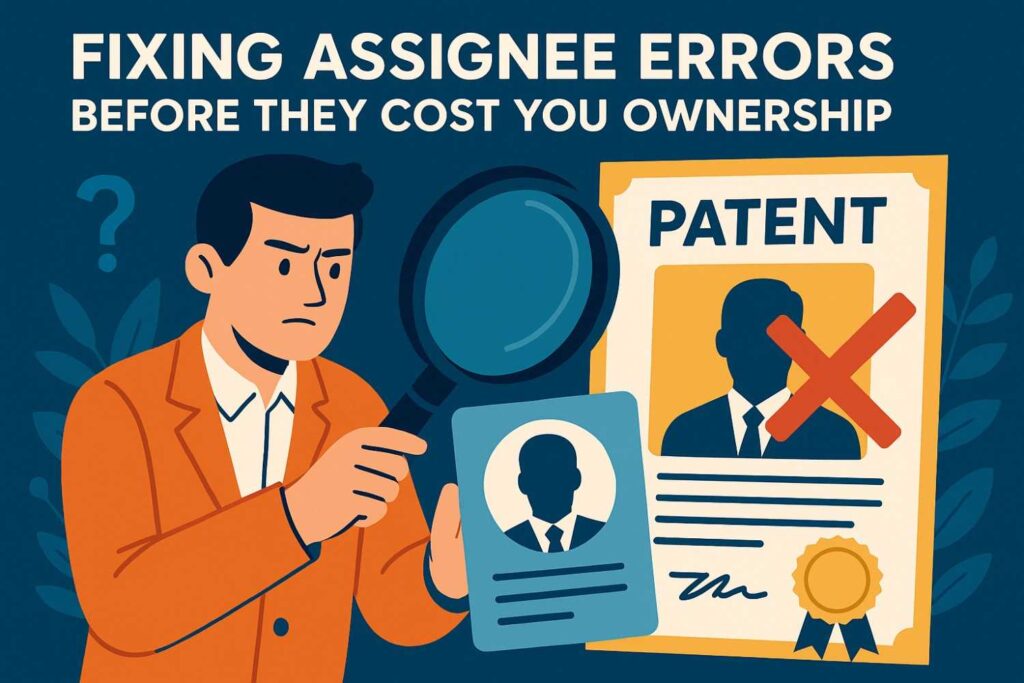
Clean assignee data also helps you negotiate from a position of strength. You are not scrambling to fix issues or explain gaps. Instead, you present a complete, well-maintained record that signals professionalism and readiness.
This can make the difference between a partner viewing your company as risky or viewing it as a solid, dependable choice.
How Clean Assignee Data Supports Long-Term Scaling
As your company expands, more patents enter the portfolio. With each new filing, the risk of inconsistency grows. If assignee data is not clean from the start, the portfolio becomes harder to manage with every new application.
This creates hidden friction in the organization, especially as teams change, founders take on new roles, or new inventors join.
By keeping assignee data clean early, you give your company a structure that scales without effort. Every new application fits smoothly into the existing records.
Every new inventor understands how their work is recorded. Every new investment round moves faster because your data tells a clean story.

This is the foundation of a strong IP strategy. When ownership is always clear and always current, your patents grow with your company rather than slowing it down.
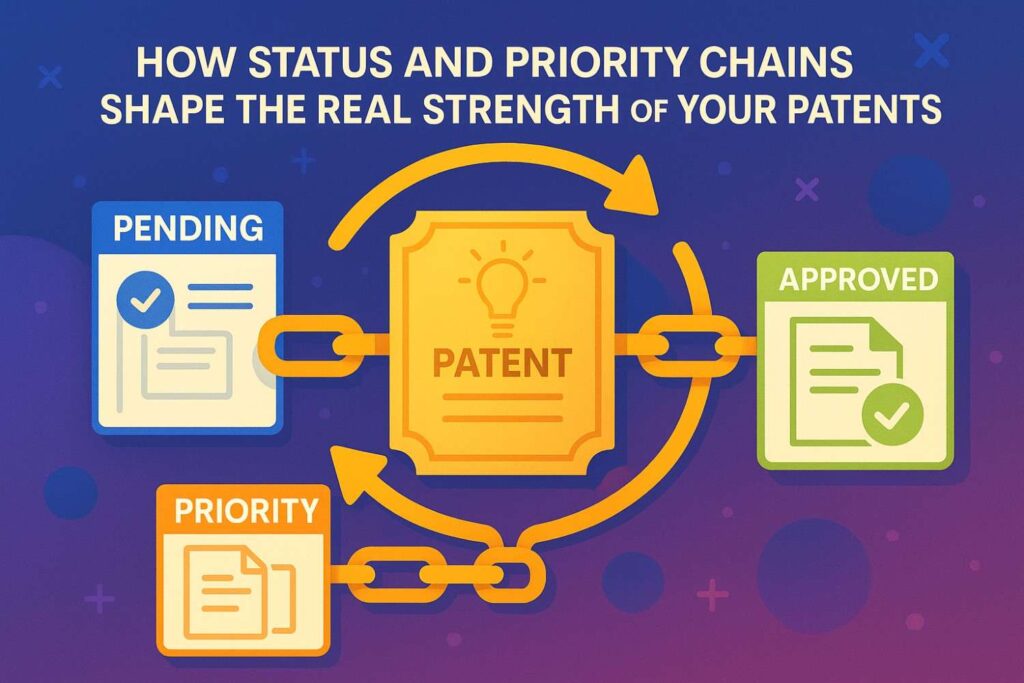
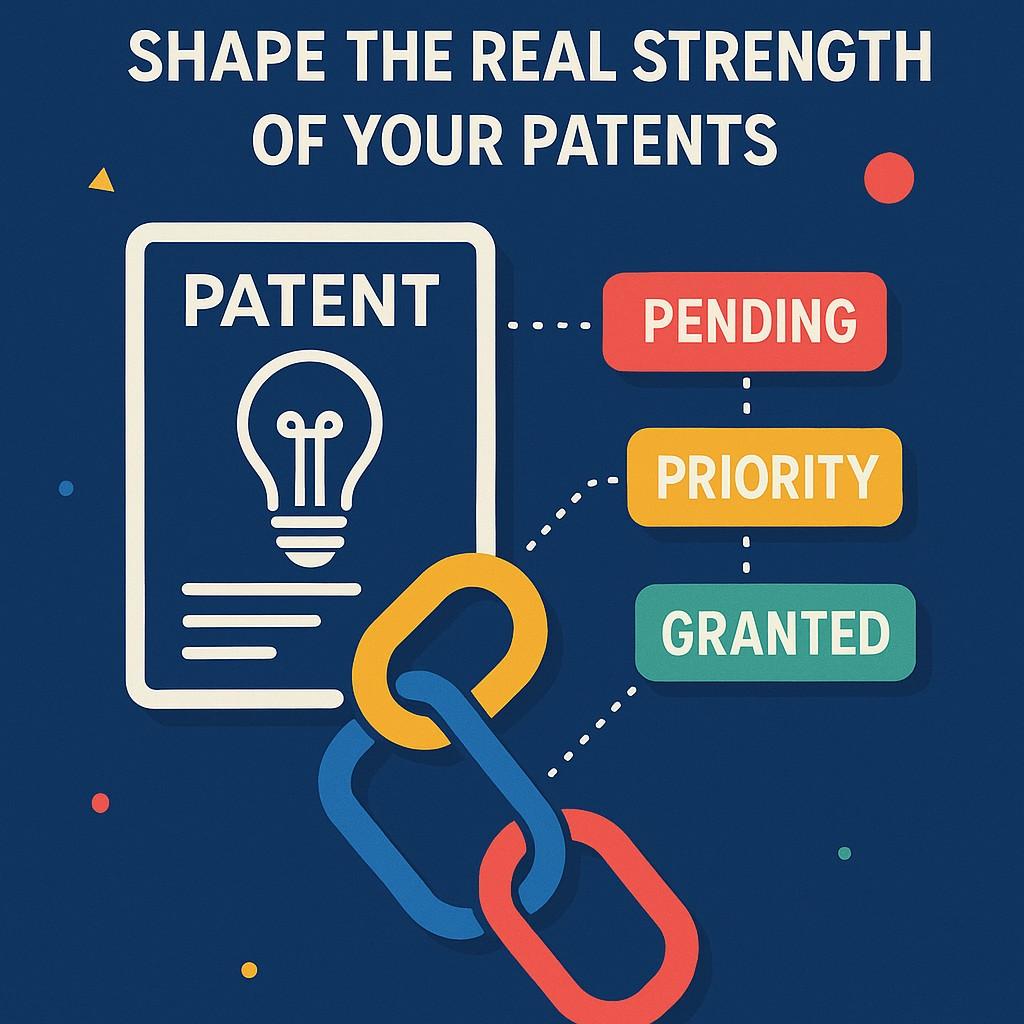
How Status and Priority Chains Shape the Real Strength of Your Patents
Every patent begins as a simple idea, but the path it takes after filing determines whether that idea grows into a strong right or fades away quietly. Two pieces of data control that path more than anything else: the status of the filing and the priority chain that supports it.
These two elements decide how the patent moves through the system, how examiners judge it, and how competitors compare themselves to you.
When they are clean, everything works. When they are messy, the entire application becomes vulnerable.
Status and priority data may sound technical, but when understood in simple terms, they become powerful tools for protecting your business. Think of them as the timeline and the backbone of your patent.
If the timeline is wrong, you miss deadlines. If the backbone is incomplete, the whole structure collapses. This section will help you understand how to manage both with clarity and confidence.
Why Status Data Is More Than Just a Label
Status data is more than a single word like pending, allowed, or abandoned. It is an active signal that tells you exactly what the patent needs at each moment.
Every update represents a moment where action may be required. When the status is wrong or out of sync with reality, the entire filing can drift into danger.
Clean status data gives you a true view of your portfolio at any time. It tells you which applications need responses, which deadlines are approaching, and which filings are waiting on decisions.
When this view is clear, your company can make decisions quickly without guessing or digging through old documents.
How Wrong Status Leads to Invisible Risks
A misreported status may not look harmful at first. It may appear like a small typo or a delay in updating a system. But a wrong status often hides deeper problems.
If an application is marked as active when it is actually abandoned, you may not realize that the protection no longer exists. If it is marked as abandoned when it is still active, you may miss a critical deadline that keeps it alive.
These silent failures can shape the future of your business. A competitor might take advantage of the gap. An investor might question the reliability of your system.
A partner might ask why something is missing. Wrong status data creates doubt, and doubt is the enemy of trust in any patent portfolio.
How Clean Status Helps You Stay Ahead of Deadlines
Deadlines are the heartbeat of the patent system. Missing one can shut down the entire application. When your status data is accurate, you always know what needs attention.
You avoid the panic that comes from discovering a deadline too late or realizing that something slipped through the cracks.
Clean status data builds a rhythm into your company’s workflow. Your team knows when to prepare a response, when to gather new information, and when to plan for the next stage of examination.
Instead of reacting to problems, you act before they appear. This keeps your filings alive and moving forward without interruption.
Why Priority Chains Matter More Than Most Founders Realize
A priority chain is the story of your patent’s earliest date. It shows how the invention existed before anyone else in the world filed something similar.
This date protects you against competitors and gives your company the first position in the race. Without a clean priority chain, you lose that advantage.
Most founders do not think about priority chains until they expand internationally. But the truth is that a broken chain affects everything, from U.S. filings to global filings to future continuation applications.
A patent with a weak priority chain often collapses under simple challenges because the foundational date cannot be proven.
How Small Priority Mistakes Create Big Vulnerabilities
Priority errors usually begin with something small. A missing reference number. A date entered incorrectly. A document not filed with the right office. These small issues create breaks in the chain that examiners can spot instantly.
Once a break exists, competitors may argue that your filing is not truly first. This opens the door to rejections, invalidations, or narrower claims.
Even if your invention is strong, a weak priority chain makes it harder to defend. It also makes it harder to expand into new markets, since many countries depend on that earliest date to determine your rights.
Fixing these mistakes later is possible, but it becomes harder the longer they stay hidden.
How Clean Priority Chains Strengthen Global Expansion
A clean priority chain gives you the freedom to file in new countries with confidence. If the earliest date is documented correctly and linked cleanly to every later filing, your protection becomes portable.
You can enter new markets without worrying that a missing link will weaken your claim.
This also helps you plan your international strategy with more accuracy. You know which applications are linked, which dates matter, and which jurisdictions must follow specific rules.
Clean chains create stability. They also give investors reassurance that your global rights are secure and expandable.
How Clean Status and Priority Chains Work Together
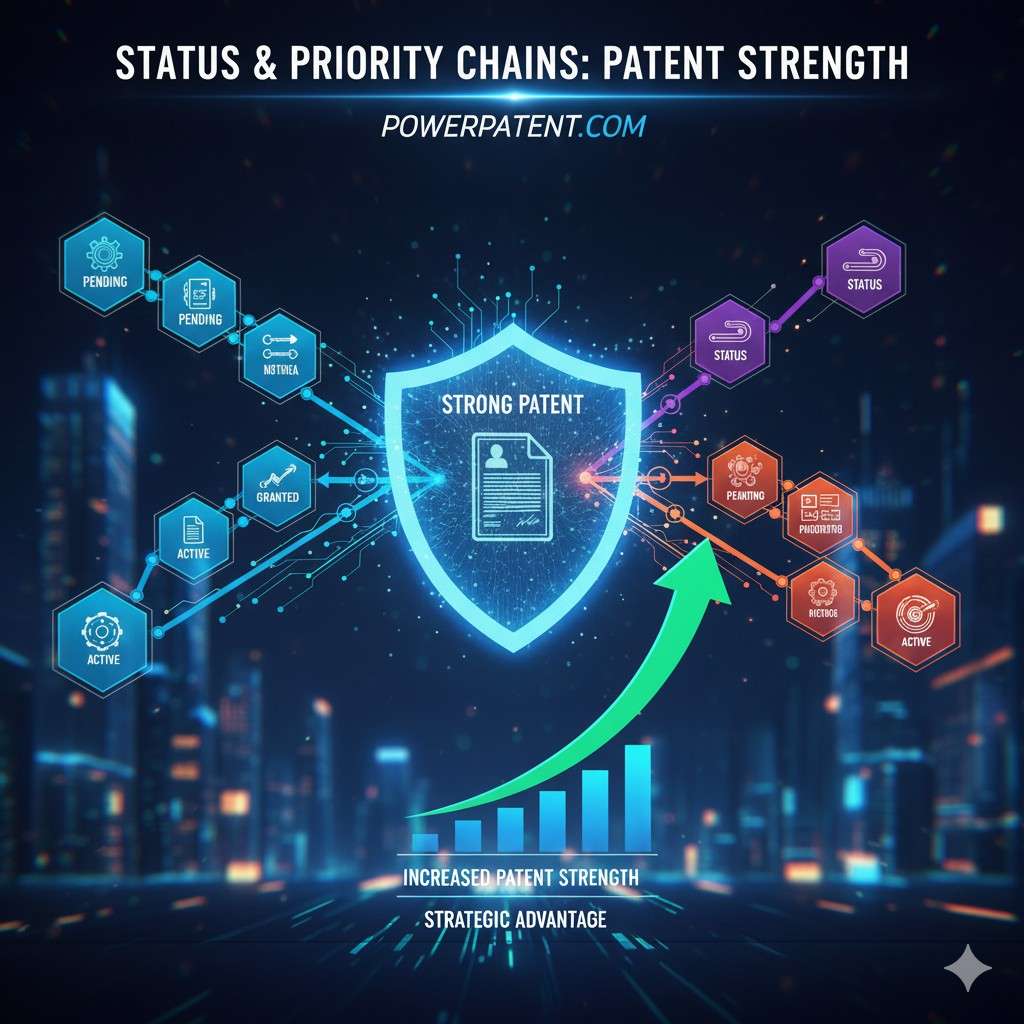
Status shows you where you are. Priority shows you where you started. When both are clean, your entire patent system becomes predictable and manageable.
You can see the progress of each application and trust that the foundation beneath it is solid.
When one is clean but the other is not, friction appears. You may see that a deadline is coming, but be unsure whether the priority claim is correct.
You may know that the chain is strong, but fail to act because the status is outdated. Both pieces must work together to create a healthy portfolio.
A tool like PowerPatent makes this easier because it tracks both status and priority automatically and highlights anything that looks off.
It also adds attorney review so nothing slips through unnoticed. You can see how this works at https://powerpatent.com/how-it-works.
How Clean Data Shapes Your Competitive Position
Competitors often challenge patents by attacking data. They do not always argue about the invention itself. Instead, they look for weak assignments, wrong statuses, or broken priority chains.
These details give them leverage. If they can show that your data is wrong, they can weaken your claims without touching the technical merits.
Clean data removes these attack points. When everything is clear, your competitors lose the easy arguments. They cannot claim that you missed deadlines, misfiled documents, or misaligned dates.
You force them to challenge the invention itself, which is much harder if your idea is strong.

This is how data hygiene becomes a competitive advantage. It makes your patents harder to challenge, harder to question, and harder to ignore.
Wrapping It Up
Every founder wants a patent portfolio that feels solid, reliable, and easy to manage. But the truth is that portfolios stay strong only when the information inside them stays clean. The patent system is unforgiving when data is loose or inconsistent, yet incredibly powerful when everything lines up the way it should. Wrapping this up means understanding how all the pieces fit together and how clean data becomes a long-term strength rather than a short-term chore.