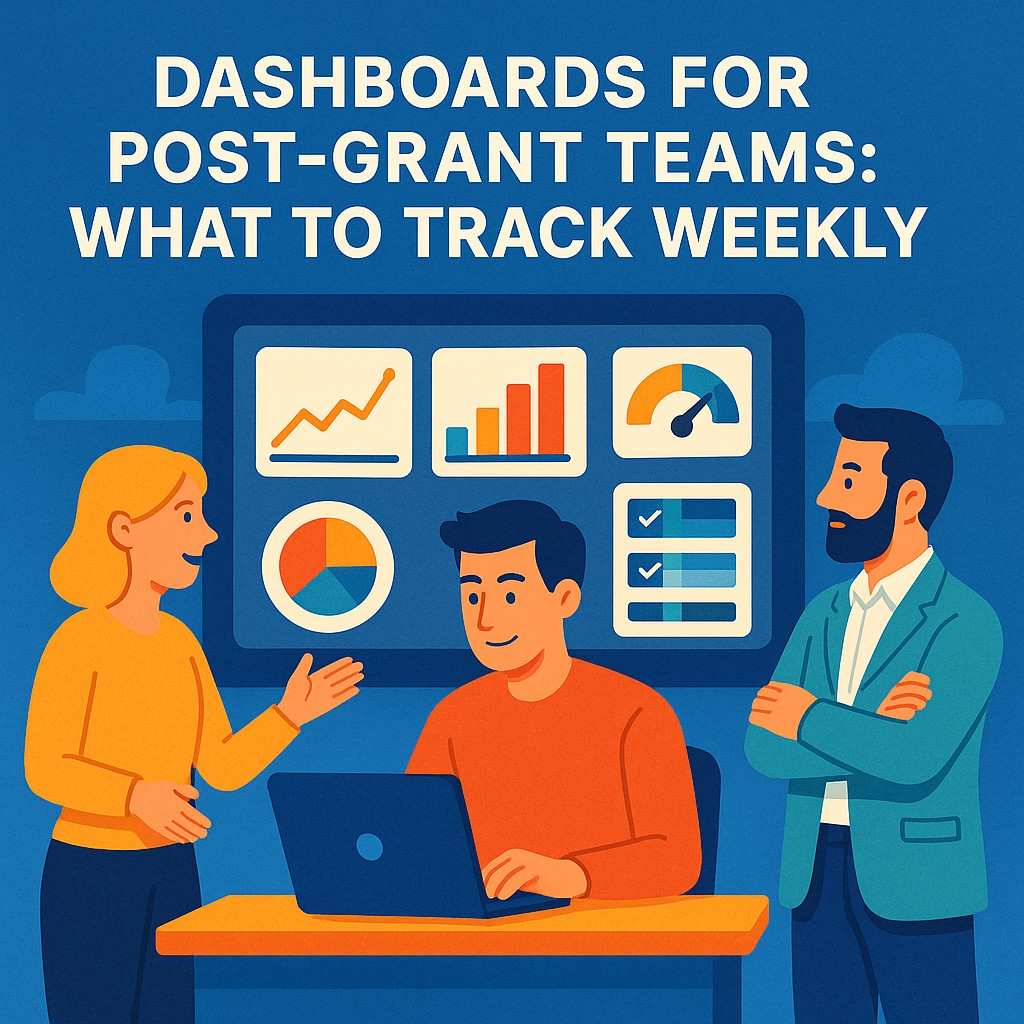
Post-grant work moves fast, and the stakes are high. Once a patent is granted, the race doesn’t slow down. It actually speeds up. Competitors study your claims. New filings pop up around you. Markets shift. Tech evolves. And your team has to stay alert, organized, and ready to act before small issues turn into big problems.
Why Post-Grant Dashboards Matter More Than Most Teams Realize
Before a patent is granted, everything feels intense. But once the patent issues, the work does not get lighter. It simply changes shape. Most teams underestimate this shift.
They assume the hardest part is over. In reality, the post-grant phase is where the real game begins.
Competitors start watching you more closely. Markets start moving. New filings appear. Quiet risks grow in the background. A clear dashboard helps your team stay ahead of all of this without scrambling.
The hidden pace of post-grant work
Once a patent is issued, time becomes sharper. Small delays can open real weaknesses. A competitor may file something similar. A market change might require a new continuation.
A new product feature may shift your claim strategy. Without a dashboard that shows what needs attention this week, your team is reacting too slowly. The dashboard sets the pace.
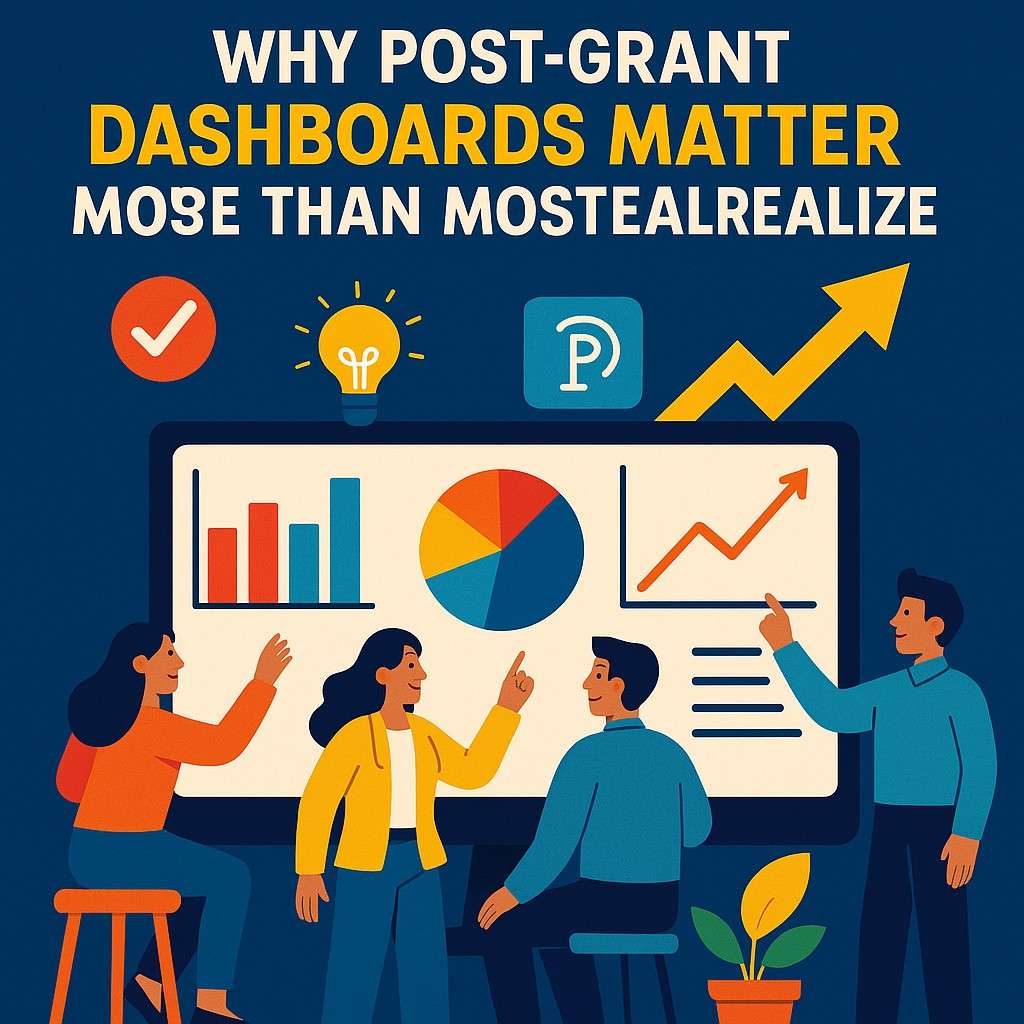
It tells you what matters now, not later. It keeps your team focused only on actions that protect value, not on digging through files to find what they missed.
Why dashboards reduce risk more than meetings ever will
Most teams try to manage post-grant work with check-ins, emails, reminders, and mental notes. That creates gaps you cannot see until they become problems.
A dashboard cuts through that noise. It turns scattered updates into a clean view of deadlines, risks, filings, and opportunities. This makes every decision faster.
It also reduces those moments where a team member says they thought someone else was handling something. With a single view of what must happen this week, the whole team shares the same understanding.
The role dashboards play in decision clarity
A strong dashboard is not just a scoreboard. It is a decision tool. Every bit of information you track weekly should help you act quickly. You want to know if a competitor made a move.
You want to know if a deadline is approaching sooner than expected. You want to know if a filing in another country might shape your next step.
When you see all of this in one place, you do not waste time thinking about what might be hiding somewhere else. You know the full picture, so you move with confidence.
How dashboards keep your strategy active, not reactive
Many businesses end up treating their patents like documents stored in a drawer. They return to them only when something breaks. That is the fastest way to lose competitive ground.
A strong dashboard changes the culture. It makes patents part of your weekly rhythm. It keeps your team aware of shifts in technology, product plans, and the industry landscape.

And when your strategy stays active, you are not just protecting the past. You are shaping the future of your IP before others see what you’re building.
Turning weekly data into a long-term defensive wall
Tracking things weekly gives you patterns. Those patterns show where you are strong, where you are slow, and where competitors are creeping in.
Great businesses use these insights to decide how to invest in new filings, how to refine their continuation paths, and how to strengthen areas where competitors keep getting close.
Over time, this creates a defensive wall around your technology. It becomes harder for others to challenge you. It becomes easier for you to protect market share. And it all starts with a dashboard that shows what is happening each week.
Why consistency is the real advantage
A single dashboard review does not transform your IP position. What does make the difference is a steady weekly habit. This consistency turns scattered activity into a reliable system. It trains your team to look for the right signals without overthinking.
And it keeps your post-grant strategy aligned with your product roadmap, not drifting away from it. Many businesses struggle because they look at their patents only once in a while.
A weekly dashboard pulls your IP thinking back into the heartbeat of the business.
How smarter tools help teams avoid overwhelm
Many teams fear dashboards because they imagine them as heavy lifts, full of manual updates. That was the old way. Modern tools make this far easier. They pull data in automatically.
They highlight what changed. They send alerts when something shifts. They help attorneys and founders work from the same view. And they make everything feel lighter, not heavier.
This is where platforms like PowerPatent shine.
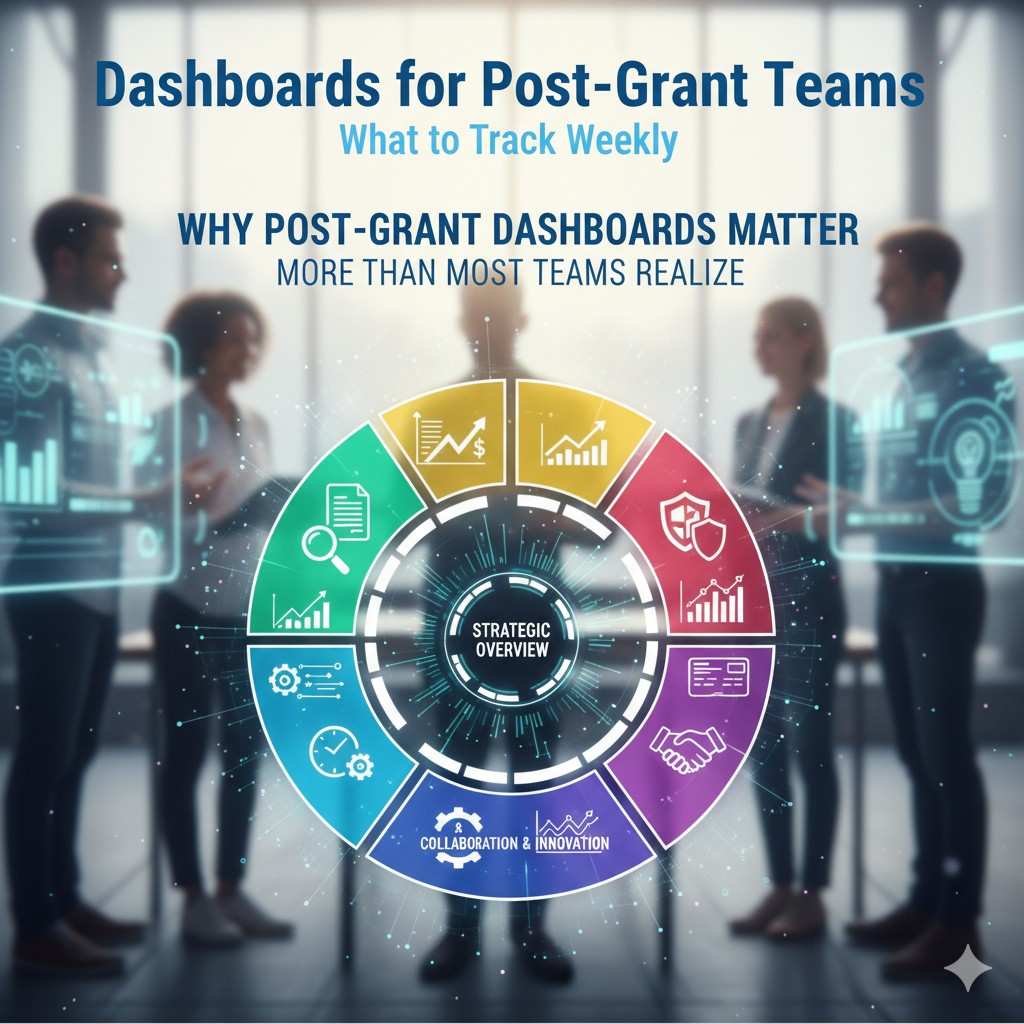
They let you see post-grant signals instantly, without building spreadsheets or drowning in admin work. If you want to see how that works, you can explore it here: https://powerpatent.com/how-it-works
The Weekly Signals Every Post-Grant Team Must Watch Closely
After a patent is granted, the way you track information becomes just as important as the patent itself. This part of the process is where many teams drift because the pressure feels lighter.
But the weekly signals you watch now can save you from huge problems later. These signals protect your patent strength, guide your continuation strategy, and help you stay ahead of competitors who may already be studying your claims.
When you track the right things each week, you keep control over your entire IP world instead of discovering issues only when they become expensive emergencies.
Understanding which signals actually matter
Not every piece of data deserves your attention each week. If you try to track too much, you will miss the things that truly matter. The core idea is to look at signals that change fast and carry real consequences.
These include shifts in competitor filings, movement in related tech areas, new office actions that affect your portfolio family, and any new product or engineering work that may open the door to fresh claim strategies.
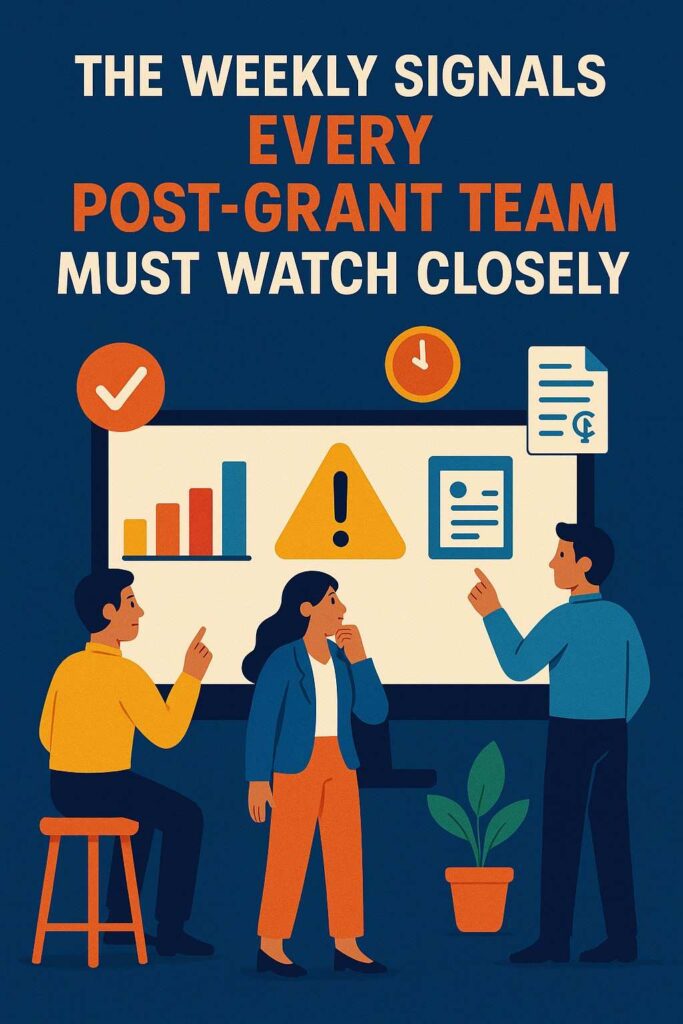
When you know exactly which signals guide your next move, your dashboard becomes a tool that filters out the noise so your team stays clear-headed and focused.
Why competitor activity should sit at the heart of your dashboard
Competitors often signal their next moves through new filings before they ever update their product roadmap. Weekly tracking of those filings helps you see patterns early.
Maybe they are moving closer to your protected features. Maybe they are expanding a direction you once considered but never filed. Or maybe they are trying to build a path around your existing claims.
When your dashboard shows this movement right away, you gain a chance to respond strategically.
You can shape new continuations, adjust claim scope, or even prepare defensive steps before their filings start to create pressure. What matters most is speed, and weekly tracking gives you that speed without forcing your team to dig through databases manually.
The value of monitoring related patent families
Every granted patent lives inside a family of earlier filings, related applications, continuations, and sometimes foreign filings. These pieces influence each other more than many teams realize.
When one part of the family gets an office action, it can shape what you want to do next in another branch. Weekly tracking lets you see these changes before they become bottlenecks.
You notice patterns in examiner behavior. You see how claim language is evolving across different jurisdictions. You discover when a continuation might help you strengthen your position.
And you gain a clear sense of how your family is growing or stalling. Without weekly visibility, these movements stay buried until the deadline is close, and by then your options are fewer.
How internal product changes must shape your weekly view
Many businesses treat their product work and their patent work as separate streams. That creates dangerous blind spots. A new feature added by engineering can open a path for a continuation, a refinement, or a brand-new application.
But if the patent team sees this too late, they miss their chance. A weekly dashboard that includes product updates keeps the entire company aligned. It brings patent thinking back into the rhythm of product development.
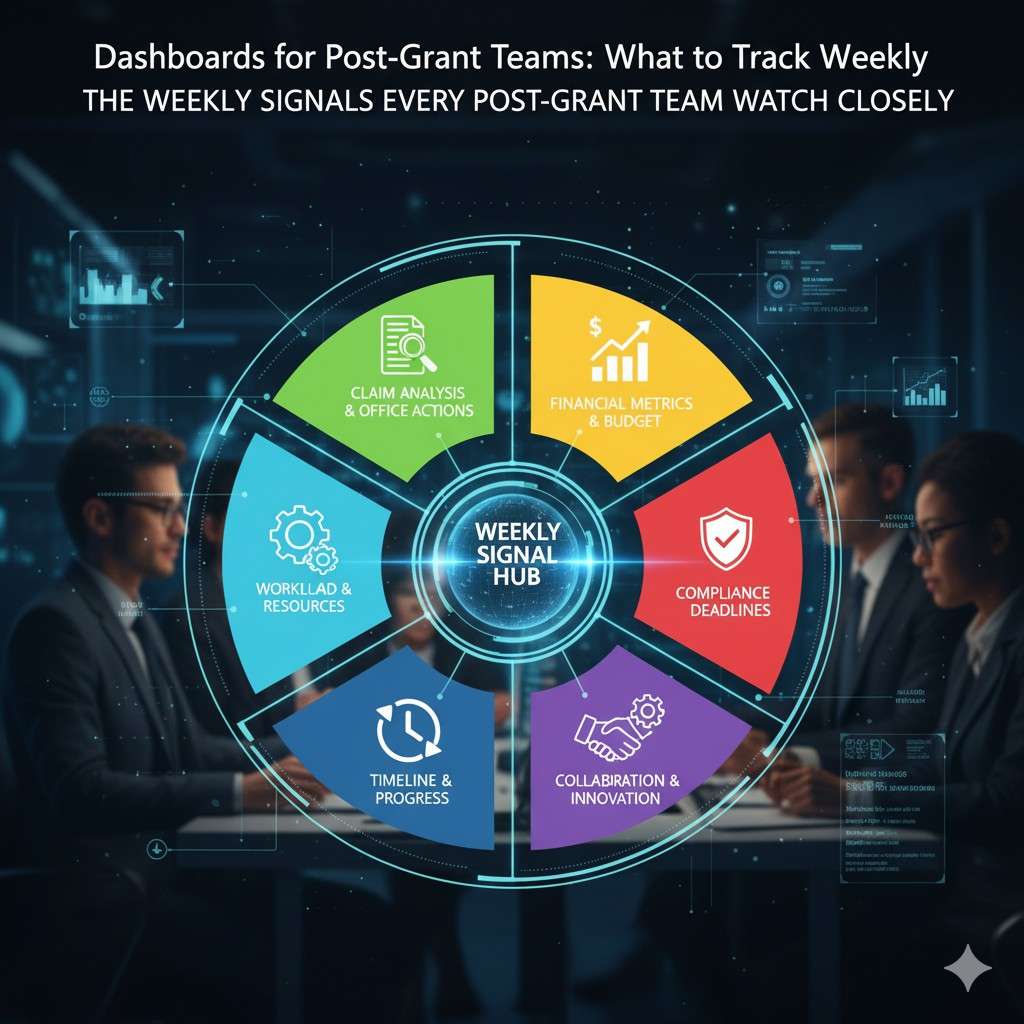
When the team sees a new feature coming, they can plan quickly and build patents that match the real direction of the product. This simple habit turns your dashboard into a living bridge between your IP strategy and your roadmap.
Why weekly deadline awareness is the backbone of post-grant work
Deadlines do not slow down after a patent is granted. They often multiply. Maintenance fees appear. Continuation windows open and close. Responses become due for related applications.
Foreign offices request updates. Most teams rely on email or calendar reminders, which is how things slip. A weekly dashboard gives you a single view of all upcoming deadlines without hunting through tools or messages. It lets the whole team see what must happen next.
And it helps you catch small timing issues before they turn into major problems. When your dashboard shows deadlines clearly, your team stays in control instead of racing to fix surprises.
How market changes influence your weekly dashboard
Technology markets never sit still. New trends, emerging players, and shifting customer behavior all matter in post-grant strategy. A weekly dashboard that reflects these changes helps your team stay aligned with what is happening outside the building.
Maybe the market is moving toward a feature your patent protects. Maybe a new standard is forming that your claims might cover. Maybe a competitor has started talking publicly about a direction that touches your portfolio. When you track these signals every week, you adapt faster.
You plan better. And you make sure your patents support the future you are building, not the past you already shipped.
Turning weekly data into action instead of reports
The biggest mistake teams make with dashboards is letting them become status reports rather than action engines. A post-grant dashboard should push your team to act.
When you see competitor movement, you respond. When you notice new internal features, you sync with engineering. When you spot tight deadlines, you adjust the workflow. When you catch trends in office actions, you refine your claim strategy.
Weekly tracking only works when the dashboard naturally drives behavior, not when it sits as a static display. That is why clarity matters more than the number of data points.
A clean dashboard helps your team understand what the data means, not just what the data says.
How smarter tools can keep weekly tracking light and simple
Many teams think weekly tracking means extra work, but modern tools make it almost effortless. Good technology pulls in updates automatically and tells you what changed without forcing you to dig. It highlights risks. It flags deadlines. It shows competitor moves.
And it gives your team a single shared view so nothing gets lost in emails or spreadsheets. This is where platforms like PowerPatent help teams stay ahead without adding heavy admin work.
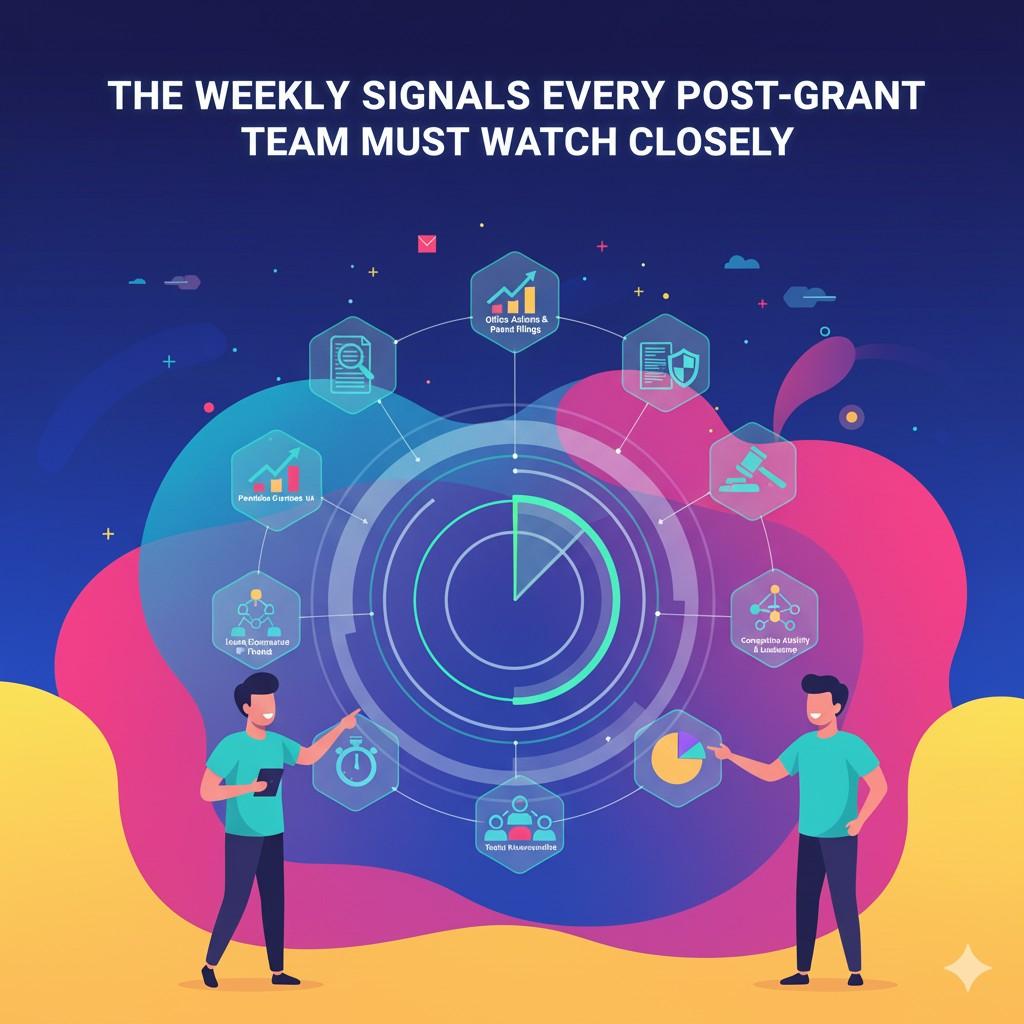
Everything is surfaced clearly so your team can focus on the strategic work, not the manual work. If you want to see how this works in practice, you can explore it here: https://powerpatent.com/how-it-works
How to Build a Dashboard That Cuts Noise and Surfaces Real Risks
Many teams struggle with dashboards because they try to make them do everything at once.
They pack in too much data, add too many views, and bury the most important signals under layers of charts and color coding. The best post-grant dashboards flip that thinking.
They focus on clarity over volume, direction over decoration, and weekly action over long-term storage. A strong dashboard should feel calm, simple, and useful the moment you open it.
It should help your post-grant team know exactly where to look and what to act on within seconds.
Starting with clarity instead of complexity
A dashboard becomes powerful when it gives your team a clear view of the week ahead without overwhelming anyone. The first step is stripping away anything that does not help with fast decisions.
If a data point does not shape a move you will make in the next week or two, it does not belong on the main view. This does not mean the data is useless, only that it does not need to live front and center.

When you build the dashboard around clarity, your team stops spending time figuring out what the dashboard means and starts using it to guide decisions.
Building around the weekly rhythm of your team
Every post-grant team has a natural weekly rhythm. There are moments when deadlines are reviewed, when updates come from engineering, when competitors publish new filings, and when outside counsel shares progress on related matters.
Your dashboard should match that rhythm, not fight it. When the dashboard is designed to reflect how your team works each week, it becomes a natural part of the workflow instead of an extra task.
This also helps you avoid the common trap of creating a dashboard that looks nice but does not fit the real timing of your process. A good dashboard feels like it is helping you breathe easier, not giving you another tool to maintain.
Making risks visible at a glance
The core purpose of a post-grant dashboard is making risks visible before they turn into problems. These risks can come from competitor filings, narrow continuation windows, office actions in related applications, or shifting product directions that require new filings.
If your dashboard forces the team to dig to find these risks, it is not doing its job. The main view should make these risks stand out clearly. When your dashboard highlights risk early, your team gets to act before issues grow.
This is the difference between managing your portfolio proactively and reacting to surprises.
Keeping the dashboard tied to the product roadmap
Post-grant work becomes much more valuable when your patent dashboard stays connected to the roadmap your engineering and product teams follow every week.
This connection helps you see which new features might require new filings, which shifts in the product plan may change the usefulness of certain claims, and which pending matters deserve faster attention.
When your dashboard reflects these shifts, your team does not drift away from the real direction of the business. Your patents become part of the product conversation instead of an isolated legal function.

This alignment is what transforms your post-grant strategy from defensive work into a forward-looking advantage.
Reducing the mental load for your team
A common mistake teams make is believing more data creates better decisions. In practice, more data often creates hesitation and confusion. A dashboard should be built to reduce mental load, not increase it.
This means using simple language, clear sections, and clean visuals. It means only showing the information that affects decisions right now.
And it means presenting that information in a way that lets team members understand what to do next without asking for extra explanations.
When the dashboard feels light, the team uses it more often, trusts it more quickly, and acts with greater confidence.
Using automation to keep the dashboard fresh
The most frustrating dashboards are the ones that go stale because no one has time to update them. Manual upkeep slows everything down and creates inconsistency.
A strong dashboard updates itself. It pulls in new filings, gathers status updates, flags changes, and surfaces upcoming deadlines automatically. When automation handles the updates, your team can focus on strategy.
Automation also reduces the risk of human error, like forgetting to pull a competitor search or missing a docket update.
This is where modern tools like PowerPatent become valuable, because they handle the heavy lifting behind the scenes. If you want to see how that looks in real use, you can explore it here: https://powerpatent.com/how-it-works
Designing for speed of understanding
Speed matters more than anything in post-grant work. You want your team to open the dashboard and understand within moments what changed, what matters, and what requires attention.
This requires clear structure, predictable flow, and minimal clutter. You should avoid layouts that force you to scroll endlessly or open several tabs just to understand the state of your portfolio.
When information is simple to understand, decisions become simple too. This is where many dashboards fail, because they try to communicate too much at once.
A well-designed dashboard feels like a quick conversation with someone who knows exactly what you need to hear.
Ensuring the dashboard drives real weekly action
A dashboard does not create value by looking polished. It creates value by driving action. Every part of the dashboard should point to something you can do this week.
Maybe it is preparing a continuation. Maybe it is reviewing a new competitor filing. Maybe it is aligning with engineering on an upcoming feature. When the dashboard naturally leads to action, your post-grant work becomes tighter and stronger.
The team moves faster. Communication becomes simpler. And small improvements accumulate into a major advantage over time.

A dashboard is only as useful as the actions it inspires, so building for action instead of aesthetics is the key to long-term success.
Using Smarter Tools to Stay Ahead Without Slowing Down
The post-grant world rewards teams that move fast, stay organized, and act before problems grow. But most teams feel weighed down by old tools that make everything slower.
Spreadsheets, scattered emails, static reports, and legacy docketing systems all force teams to work harder just to understand what is happening. Modern tools solve that problem by lifting the weight off your team.
They help you work with more clarity, more accuracy, and far less stress. This section explores how the right technology gives your team the control it needs without slowing anyone down.
Making complex data feel simple
Post-grant work generates a huge amount of information. Filings, deadlines, examiner behavior, product changes, competitor moves, claim adjustments, and related family activity all shift constantly.
Without smart tooling, this turns into a messy stream of updates no one can keep up with. Modern platforms make this complexity feel simple.
They collect data automatically and show it in a calm, clean way that helps your team focus only on what matters now.
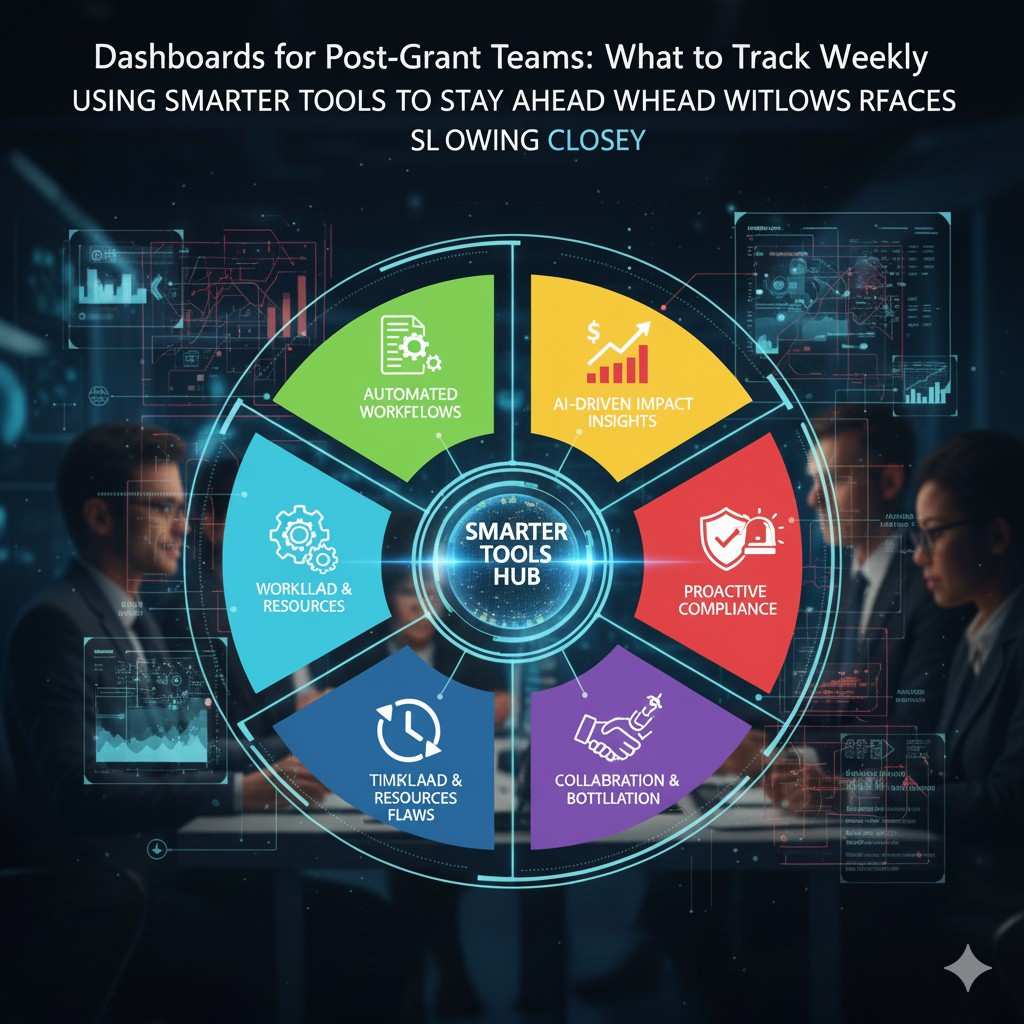
Instead of digging, searching, or cross-checking, your team sees the whole picture at a glance. This simplicity reduces stress, cuts errors, and supports faster decisions.
Why automation is no longer optional
A manual process can work for a while, but it does not scale and it cannot keep up with the pace of modern patent work. Automation is now essential. It handles the heavy tasks your team used to do by hand.
It monitors new filings, pulls updates from patent offices, refreshes status changes, flags new deadlines, and keeps track of competitor activity without anyone needing to remember.
This frees your team to focus on strategic decisions instead of chasing scattered pieces of data. Automation also creates a more reliable workflow because it removes the human risk of forgetting something important.
Keeping the whole team aligned without meetings
The right tools create alignment without forcing your team into endless check-ins. A smart dashboard updates itself and makes sure everyone sees the same information.
Engineering, founders, attorneys, and outside counsel can all look at the same live view. This shared understanding reduces confusion and eliminates the back-and-forth messages that normally slow down post-grant work.
When everyone sees the same weekly signals, decisions happen faster. You also avoid the slow drift that happens when teams rely on isolated notes or different versions of files.
Clear tools make alignment automatic instead of something you chase.
Turning post-grant work into a predictable process
Many teams think post-grant work is messy by nature. But modern systems help you turn it into something predictable.
They show what needs attention each week, what is coming up next, and what risks are rising. They give your team a stable rhythm that stays the same even as the portfolio grows.
This predictability reduces stress and helps new team members get up to speed quickly.
A predictable workflow also helps leadership understand progress without needing constant briefings. When the process becomes predictable, your team can plan instead of react.
Helping founders and engineers stay connected to the portfolio
Most founders and engineers do not want to spend hours digging into patent dashboards. They want a tool that lets them understand the essentials in seconds.
Modern post-grant platforms make that possible. They use simple language, clean layouts, and clear signals so anyone on the team can see what matters.
This keeps leadership connected to the portfolio without slowing them down. It also helps engineers understand how new features and technical work affect the IP strategy.
When everyone can follow along easily, the company’s patent strategy becomes stronger and more aligned with the real product work.
Reducing reliance on outside counsel for simple updates
Outside counsel should focus on strategy, not status updates. Modern tools help your team get the information they need directly instead of waiting for an email or a summary.
This removes delays and lets your team move faster. It also reduces legal costs because you are not paying for repetitive tasks or check-ins that software can handle automatically.
Outside counsel still plays an important role, but now they can spend their time guiding decisions instead of gathering data. This shift makes your entire post-grant operation more efficient.
Creating space for higher-level strategic thinking
When tools handle the routine work, your team gains the mental space to think more strategically. Instead of spending time gathering information, the team can focus on the big questions.
Which claims should be strengthened? Where is the market trending? Which competitors need closer monitoring? What continuation moves will protect the roadmap?
This shift from reactive work to strategic thinking is where the real value comes from. Modern post-grant platforms create that space so your team can operate with clarity and intention.
Why PowerPatent gives teams a real advantage
PowerPatent was built for teams that want simple, fast, and reliable control over their post-grant work. It brings automation, clarity, and attorney oversight into one clean workflow.
The dashboard shows exactly what changed this week. It highlights risk early. It connects directly to your product direction. And it helps your team move quickly without missing important details.

This is why teams use it to avoid costly delays and protect the technology they worked so hard to build. If you want to see how PowerPatent supports a modern post-grant workflow, you can explore it here: https://powerpatent.com/how-it-works
Wrapping It Up
Every strong patent portfolio depends on what happens after the grant, not just before it. The real advantage comes from how clearly and consistently your team watches the signals that move each week. A good post-grant dashboard makes this possible. It gives your team a simple, calm view of everything that matters right now. It helps you see risks early, follow competitor moves, stay aligned with product changes, and act before small issues grow into costly setbacks. When the dashboard becomes part of your weekly rhythm, your patent strategy stays alive, active, and aligned with the future you are building.