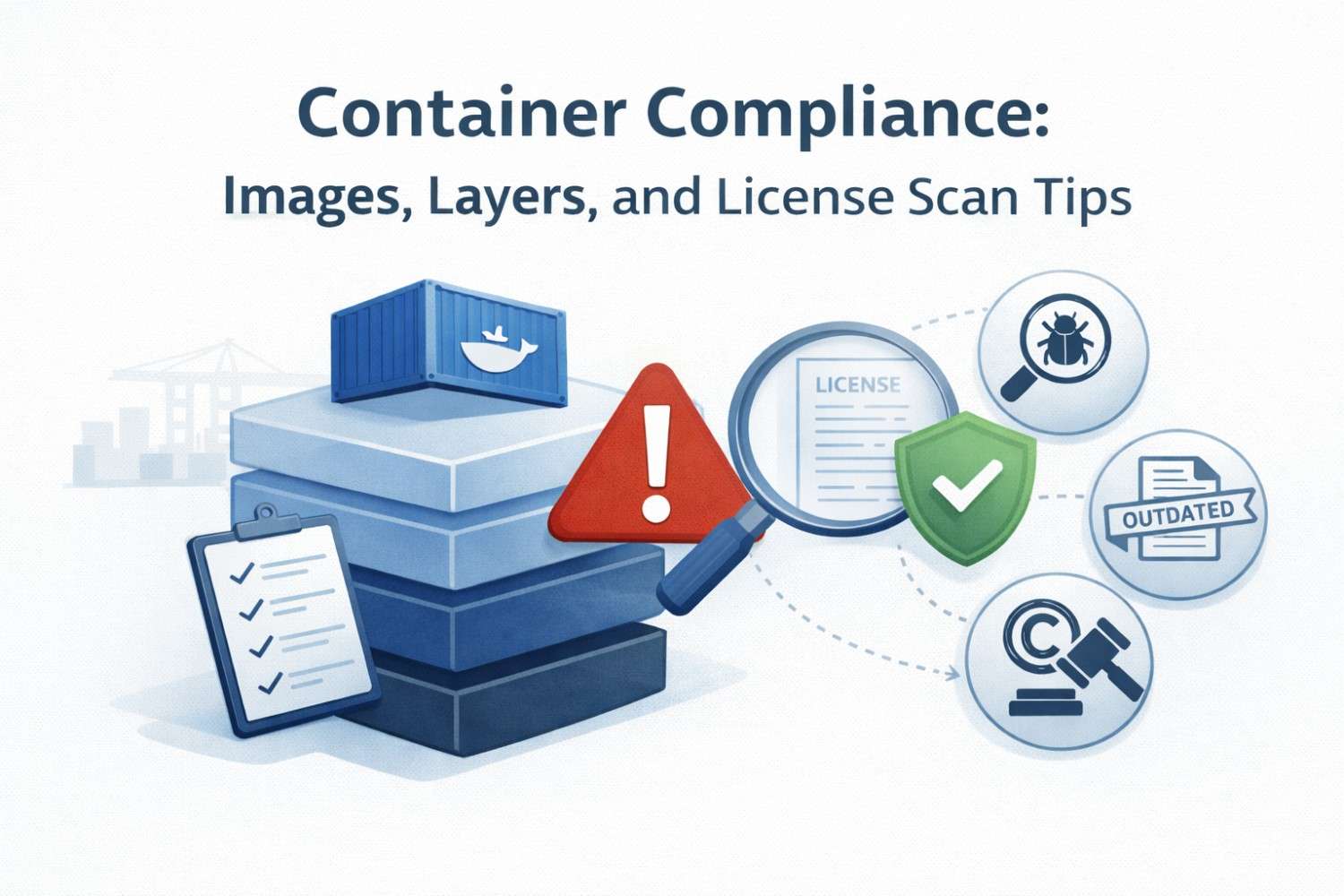
Most teams ship containers every day. Few stop to ask what is really inside them. That gap is where risk lives. One small mistake in a container image can turn into a security issue, a license problem, or a hard stop during a deal. This article is about closing that gap in a clear and practical way. Container compliance sounds heavy, but it does not need to be.
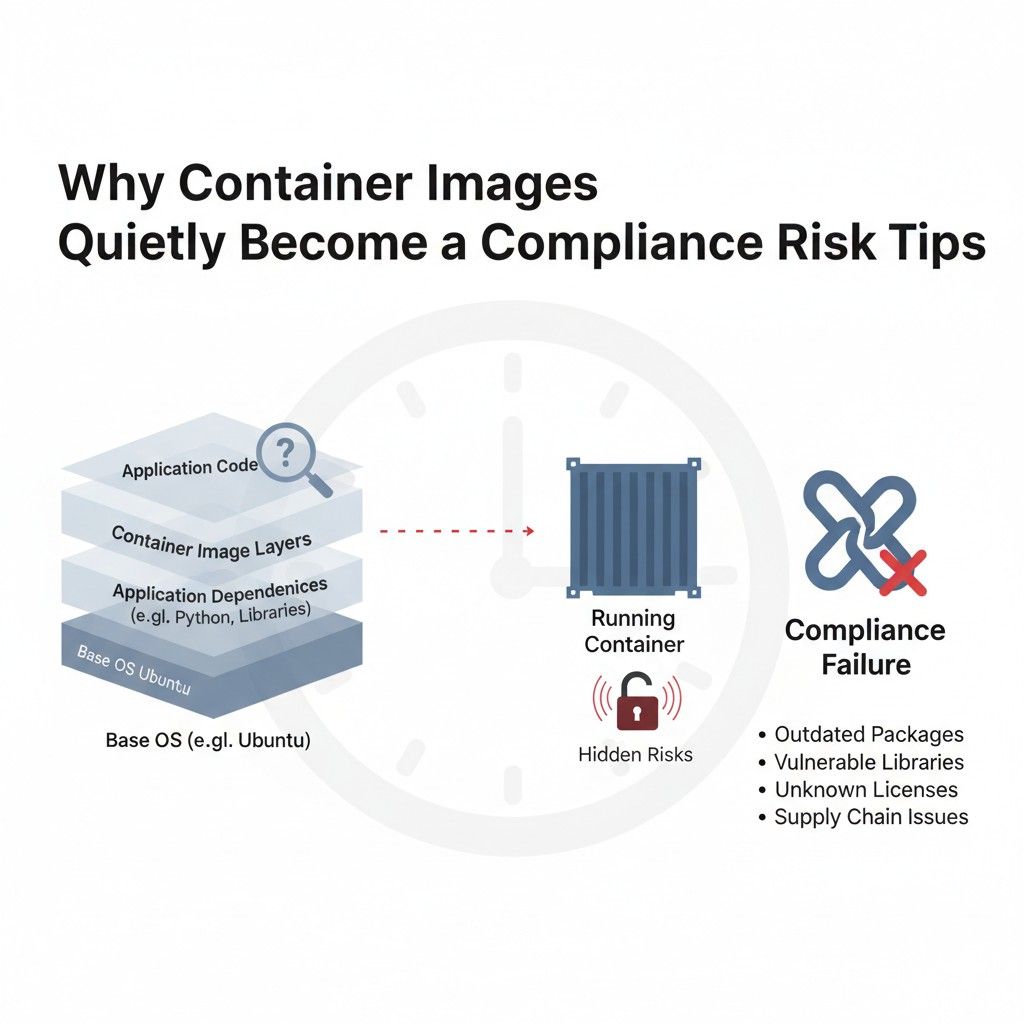
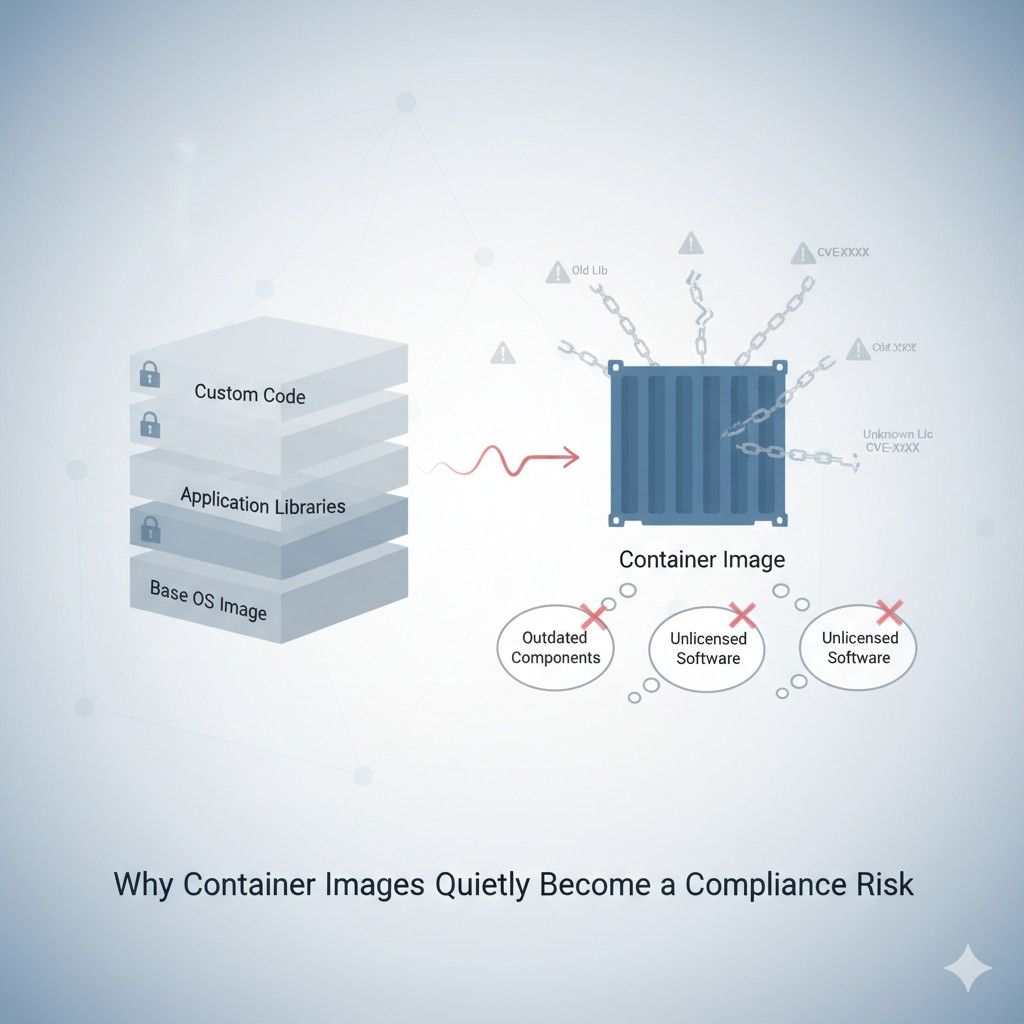
Why Container Images Quietly Become a Compliance Risk
Container images feel simple on the surface. You pull a base image, add your code, ship it, and move on.
That ease is exactly why risk creeps in unnoticed. Images are treated like a build artifact, not like a long-lived asset.
Over time, that gap between how important images are and how casually they are handled creates real exposure for businesses.
This section focuses on how that risk forms, why it stays hidden for so long, and what teams can do to regain control without slowing down delivery.
The Illusion of Safety in Trusted Images
Most teams start from images that feel safe. They come from popular registries, have millions of downloads, and are recommended in tutorials. This creates a sense of trust that often goes untested.
The problem is that trust is not the same as verification.
A trusted image today can become a risky image tomorrow. Maintainers change.
Packages get added. Old code sticks around long after it should be removed. When teams keep pulling the same image without reviewing what changed, they inherit every new issue silently.
Businesses often discover this only when a scan fails late in the process or when a partner flags it during review.
A strong practice is to treat base images like dependencies, not defaults. Pin versions on purpose.
Review what changed before updating. Make image updates a conscious choice instead of an automatic pull. This one shift alone removes a large amount of blind risk.
Image Growth Over Time Without Ownership
Container images tend to grow quietly. A debugging tool added for a quick test stays forever. A package installed to fix one edge case never gets removed. Over months, the image becomes heavier and harder to explain.
From a business view, this matters because every added component brings its own license, security posture, and maintenance burden. If no one owns the image as a product, it slowly turns into a black box.
When questions come later from customers, auditors, or investors, answers are slow and uncertain.
Teams that handle this well assign image ownership clearly. One group or person is responsible for knowing what belongs inside and what does not. This does not require heavy process.
It requires a clear habit of review and cleanup tied to normal development cycles.
The Hidden Cost of Old Packages
Old packages are one of the most common sources of container risk. They often remain because they still work and no one wants to touch them. The issue is not just security updates. It is licensing and provenance.
Many older packages were added before license awareness became common. Some carry licenses that are fine for internal use but risky for commercial distribution.
Others pull in nested dependencies with unclear terms. When these sit inside an image for years, they become hard to trace.
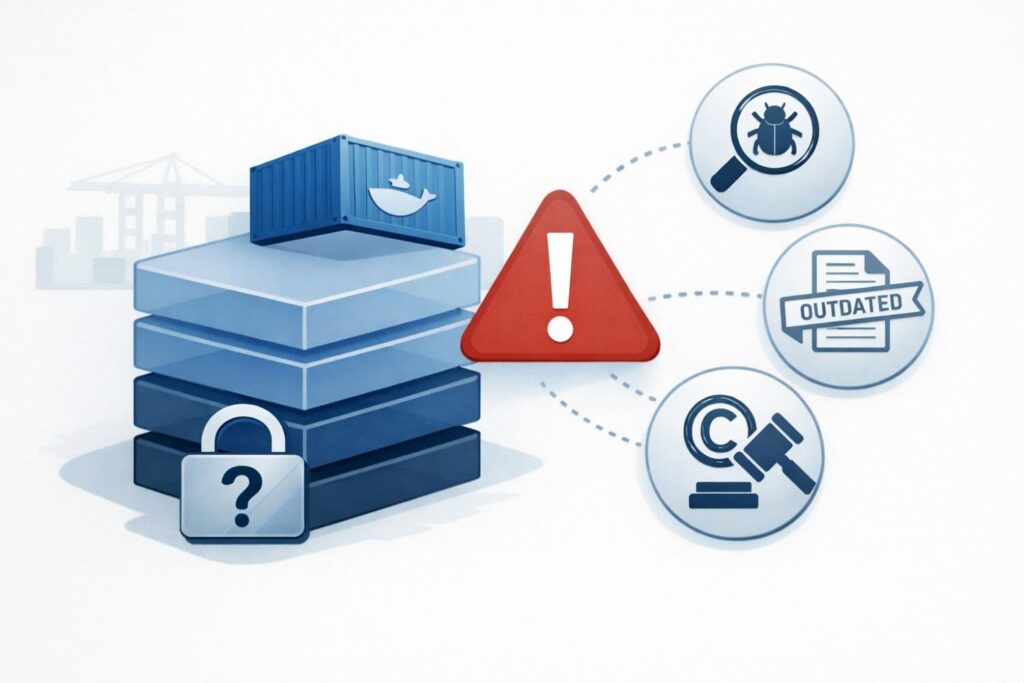
A practical approach is to regularly rebuild images from the ground up. This forces every dependency to justify its place again.
It also surfaces packages that no longer exist in modern repos or that fail to meet current standards. Rebuilds sound disruptive, but when done on a schedule, they actually reduce surprise work later.
Copying Code Into Images Without Context
Container images often include copied binaries, scripts, or compiled tools brought in from other systems. These files work, so no one questions them. Over time, the original source and license details get lost.
This creates a serious compliance issue when businesses grow. If you cannot explain where a piece of code came from and under what terms it was added, you cannot confidently say you have the right to ship it.
That uncertainty can stall deals or force rushed cleanup work under pressure.
The fix here is simple but powerful. Any copied artifact must travel with context. Keep a short note in the build file explaining what it is, where it came from, and why it is needed.
This takes seconds during development and saves weeks later when questions arise.
Registry Drift and Image Sprawl
As teams grow, images multiply. Different services use slightly different bases. Test images diverge from production images. Old images remain stored long after they stop being used.
This sprawl makes compliance harder because no one knows which images actually matter. Scans run on everything or on nothing. Reports grow noisy and are ignored. Real issues hide inside the noise.
A strong business move is to regularly prune images and registries. Archive what is no longer used. Focus scans on images that ship or touch customer data. Clarity about what matters makes compliance lighter, not heavier.
CI Pipelines That Optimize for Speed Only
Most build pipelines are tuned for speed. Cache everything. Reuse layers aggressively. Skip steps that slow builds down. While this helps delivery, it also freezes risk in place.
If a vulnerable or non-compliant package exists in a cached layer, it may never be revisited. The pipeline keeps producing fast builds that look clean on the surface but carry the same underlying issue again and again.
A balanced approach keeps speed while forcing periodic refresh. Cache smartly, but rebuild critical layers on a schedule.
This ensures new scans actually see new content instead of the same frozen state. Businesses that do this catch issues early without sacrificing velocity.
Compliance Risk Shows Up Late and Loud
One reason container image risk is ignored is that it rarely causes immediate pain. The app runs. Customers are happy. Nothing breaks. The problem surfaces later, often at the worst time.
It might appear during a large enterprise sale, a due diligence process, or a security review tied to a partnership. Suddenly, questions about image contents become urgent.
The team scrambles, and what could have been a calm cleanup becomes a stressful fire drill.
The smartest companies handle this before it becomes visible. They treat container hygiene as part of building a durable business.
This same mindset applies to intellectual property more broadly. Knowing what you built, what you use, and what you own is how you move fast with confidence.
That is the same principle behind how PowerPatent helps teams turn technical systems into clear, defensible protection. You can explore that approach here: https://powerpatent.com/how-it-works.
Turning Images Into a Business Asset
When handled well, container images stop being a liability and start becoming an asset. They become predictable, explainable, and easy to defend. This does not require complex tooling or heavy policy. It requires intention.
Treat images as part of your product, not just a delivery detail. Review them with the same care you give your code. Document decisions lightly but clearly. Refresh them often enough that nothing inside becomes a mystery.
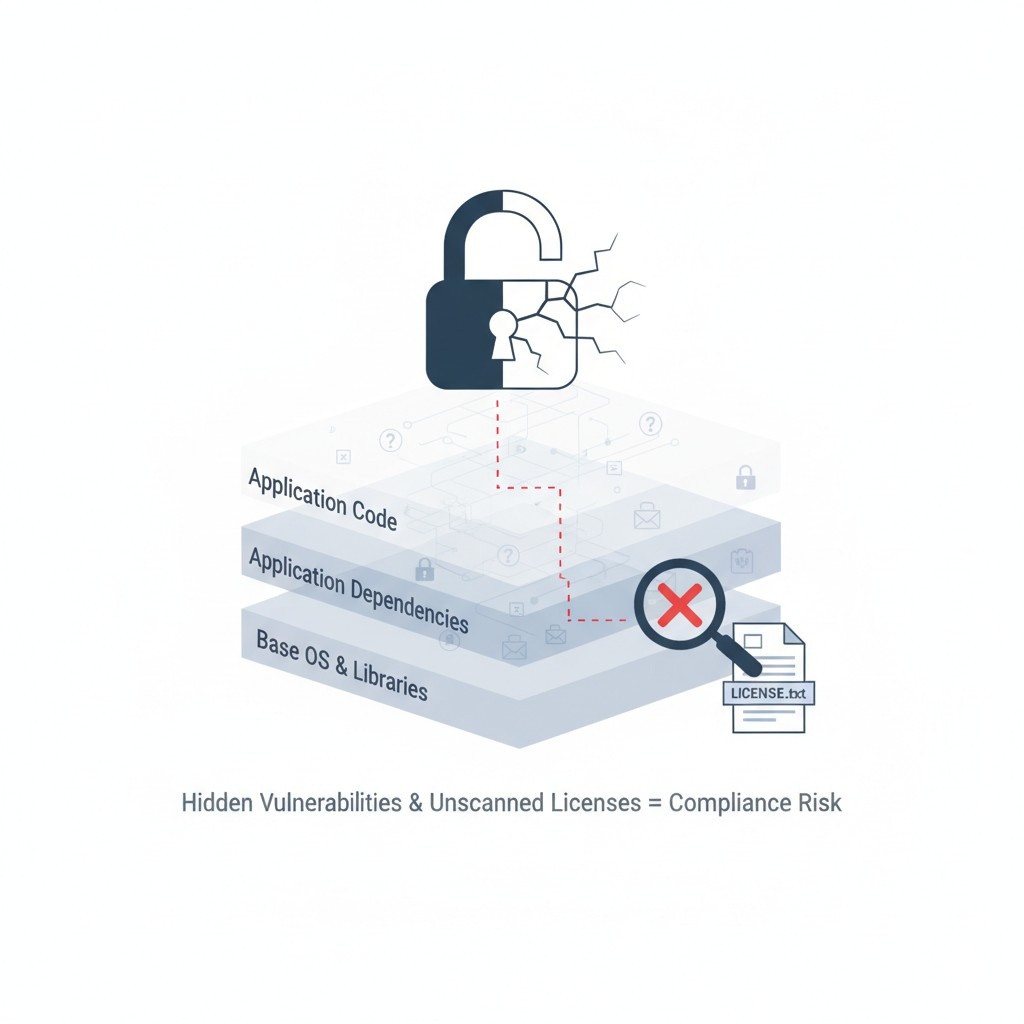
Businesses that adopt this approach find that compliance stops being a blocker. It becomes a quiet strength that supports growth instead of slowing it down.
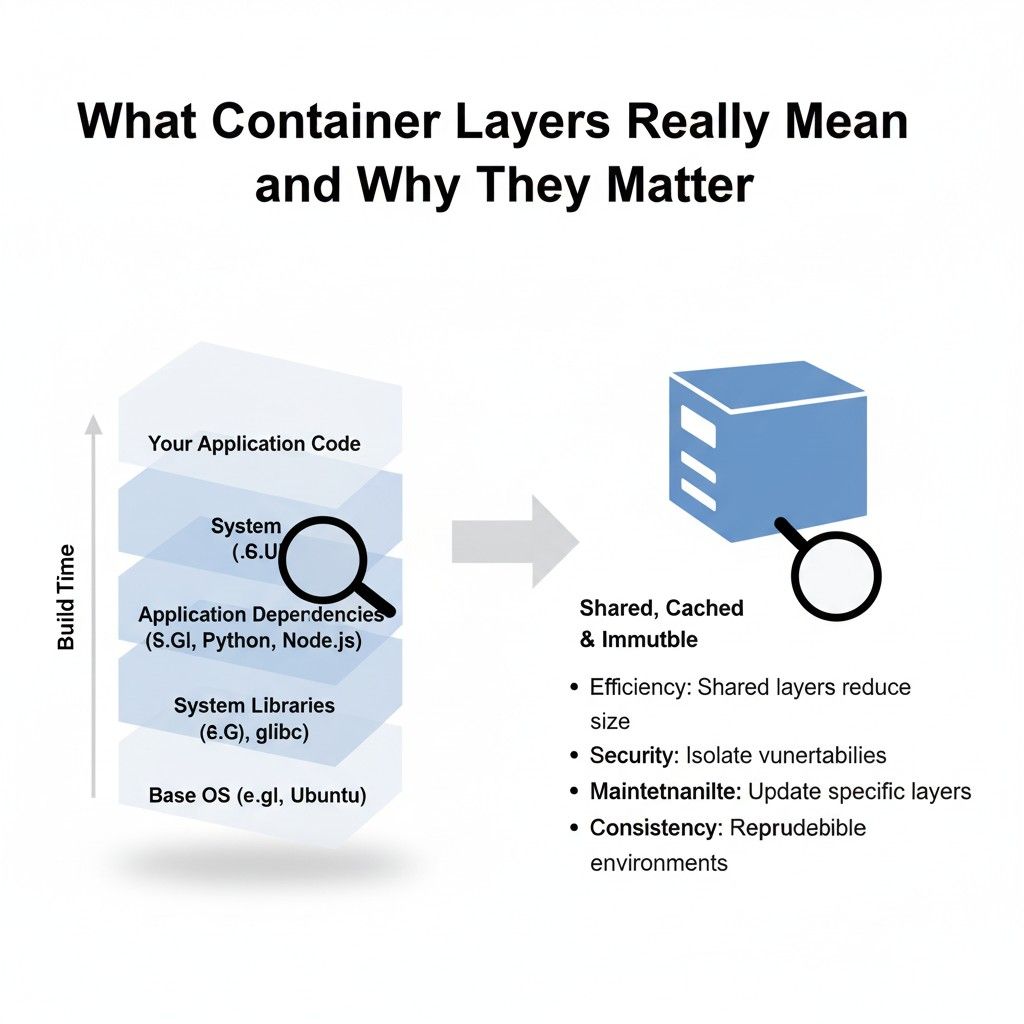
What Container Layers Really Mean and Why They Matter
Container layers are often explained in simple technical terms, but their real impact on a business is rarely discussed. Most teams know layers exist, but few understand how layers shape risk, cost, and long-term control.
This section goes deeper into what layers actually represent and why paying attention to them can quietly protect your company as it grows.
Layers are not just a build detail. They are a record of decisions. Every layer tells a story about what was added, when it was added, and why it stayed.
When that story is clear, compliance becomes manageable. When it is messy, problems stack up fast.
Layers as a Permanent History of Decisions
Every command in a container build creates a layer. Even if a file is later removed, the layer that added it still exists in the image history. This is one of the most misunderstood parts of containers.
From a business view, this means mistakes do not fully disappear. A secret added and removed improperly, a package installed and later deleted, or a file copied in for testing can still live in the image history.
Even if it is not active at runtime, it may still be discoverable during analysis.
Teams that understand this design build with intention. They combine steps when possible.
They avoid adding things they do not want recorded. They treat each layer like a permanent log entry instead of a temporary scratch space.
Why Thin Layers Are Easier to Defend
Thick layers that do many things at once are hard to explain. Thin layers with clear intent are easier to review, scan, and defend. When a layer exists for one reason, it is simple to justify its presence.
This matters when questions come later. If an auditor or partner asks why a specific package exists, you want a clean answer. Layers that mix many unrelated actions make that answer harder.
Layers that reflect a single purpose make compliance discussions faster and calmer.
A good habit is to think about layers the same way you think about commits. One idea per step. Clear reason. Easy to explain months later.
Cached Layers Can Freeze Risk in Place
Build caches are great for speed, but they can also lock old problems into place. A cached layer that includes outdated or non-compliant components may never be rebuilt unless forced.
This creates a false sense of safety. Builds pass. Tests run. Nothing fails. Meanwhile, the same risky layer keeps getting reused across builds and environments.
Smart teams schedule cache breaks. They intentionally invalidate key layers on a regular basis. This forces fresh builds and fresh scans. It feels slower at first, but it prevents years of hidden drift.
Layers Amplify Small Mistakes
A small mistake early in a Dockerfile can ripple through every image built on top of it. A bad base choice, a loose install command, or a broad copy action can affect dozens of services.
Because layers stack, early errors get multiplied. Fixing them later often requires touching many images instead of one. This is why layer design is not just a developer concern. It is a business concern tied to scale.
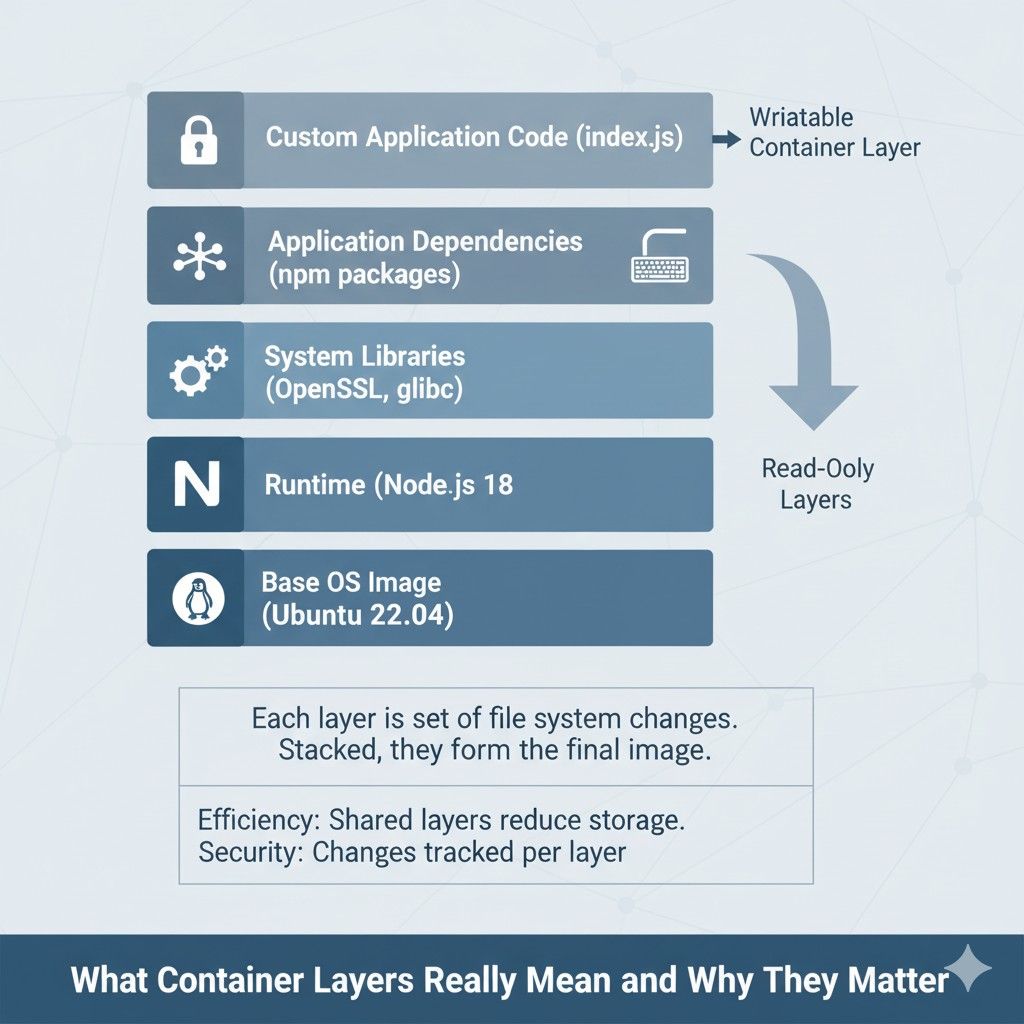
Companies that think ahead invest time in getting the early layers right. They keep base images minimal. They separate system dependencies from app code. This structure limits how far a mistake can spread.
Understanding What Scanners Really See
Most compliance and security tools scan layers, not just the final filesystem view. They analyze each layer’s contents and metadata. If something risky appears in any layer, it may be flagged even if later removed.
Teams sometimes get confused by scan results because they do not match what they see at runtime. The issue is not the scanner. It is the layers.
Once teams understand this, scan results become more useful. Instead of fighting the tool, they fix the build logic. They remove the source of the issue, not just the surface symptom.
Build Files as Compliance Documents
A build file is more than a script. It is a living compliance document. It shows how software was assembled and what choices were made along the way.
Clear build files help future engineers understand intent. They also help legal and security reviews move faster. When steps are readable and well-scoped, fewer questions get asked.
This clarity pays off when companies grow or change hands. New teams inherit systems they can understand. Buyers see infrastructure that looks cared for. These signals matter more than most founders expect.
Multi-Stage Builds Reduce Exposure
Multi-stage builds are often sold as a way to make images smaller. Their bigger benefit is reducing exposure. By separating build tools from runtime images, teams keep unnecessary components out of production layers.
This has a direct compliance benefit. Fewer packages mean fewer licenses to track. Fewer tools mean fewer vulnerabilities to explain. The runtime image becomes simpler and easier to defend.
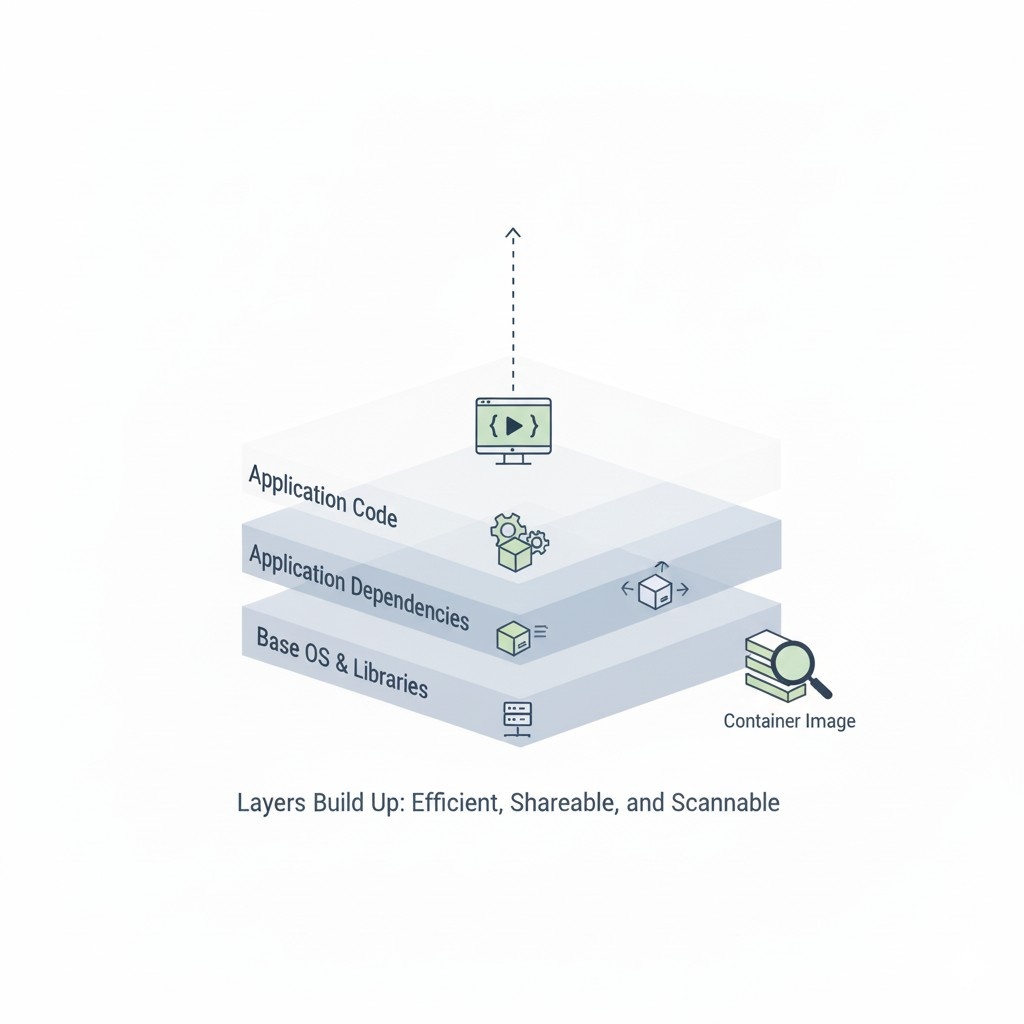
When businesses adopt multi-stage builds early, they avoid years of cleanup work later. It is one of the highest leverage choices teams can make with very little downside.
Layer Ownership Creates Accountability
When no one owns layers, no one feels responsible for what goes into them. This is how images become bloated and unclear.
Assigning ownership does not mean slowing down development. It means one team or role is responsible for keeping layers clean and intentional. That ownership leads to better decisions and faster resolution when issues arise.
Clear ownership also makes it easier to align engineering with business goals. Clean layers support clean compliance stories, which support smoother growth.
Layers and Long-Term Company Value
Investors and buyers increasingly care about how software is built, not just what it does. Container layers provide insight into engineering discipline and risk management.
Well-structured layers signal maturity. They show that the team understands its stack and controls its dependencies. This builds confidence and reduces friction during reviews.
This mindset aligns closely with how strong intellectual property is built. Clear structure, clear ownership, and clear intent make assets easier to defend.
PowerPatent helps founders apply this thinking to patents by turning complex systems into clean, understandable protection. You can see how that works here: https://powerpatent.com/how-it-works.
Making Layers Work for You
Layers are not the enemy. They are a powerful tool when used with care. By designing layers intentionally, refreshing them regularly, and documenting decisions lightly, teams turn a hidden risk into a quiet strength.
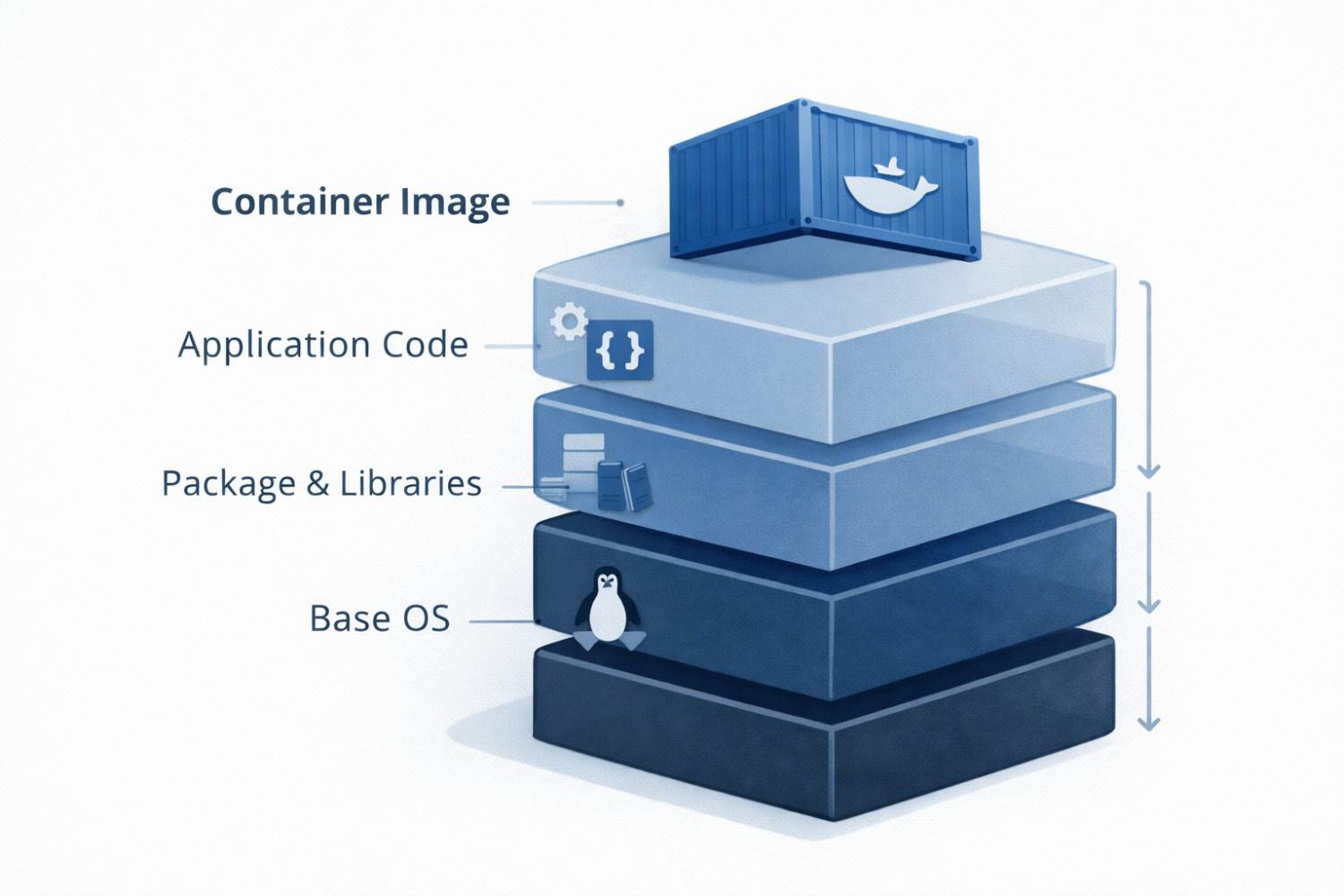
This approach does not require new tools or heavy rules. It requires awareness and consistency. When layers are treated as part of the product, compliance stops being reactive and starts being proactive.
How License Scans Protect You When Done the Right Way
License scans often get a bad reputation. Many teams see them as noisy, slow, and disconnected from real work. That reaction usually comes from scans being added late or used without context.
When done the right way, license scans are not a blocker. They are a quiet safety net that protects the business while engineers keep moving.
This section explains how license scans actually work, why they fail so often in practice, and how businesses can use them as a strategic advantage instead of a last-minute panic button.
Why Licenses Matter More Than Most Teams Realize
Every piece of code comes with rules. Some rules are simple. Others are strict. When software ships inside a container, all of those rules ship with it.
If a business does not know those rules, it is guessing about what it is allowed to sell, share, or modify.
License problems rarely show up during development. They appear when revenue grows, customers get larger, or lawyers get involved.
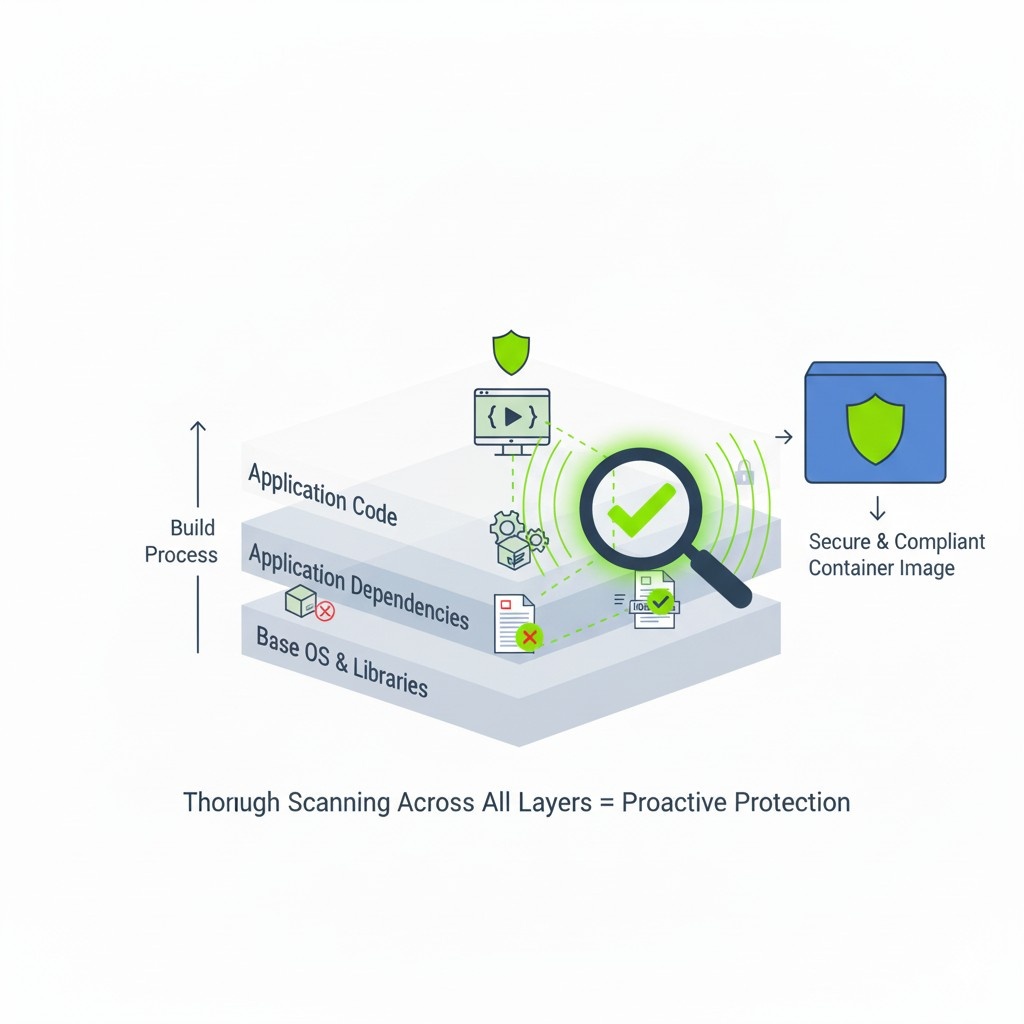
At that point, fixing the issue costs more time and trust. License scans help surface these rules early, when choices are still easy to change.
Scanning Late Creates Panic, Not Clarity
Many companies run license scans for the first time during a deal or audit. The results are long, confusing, and urgent. Engineers scramble to understand packages they added years ago. Business leaders get incomplete answers.
The problem is not the scan. It is the timing. Late scans compress years of decisions into a single stressful moment. Early and regular scans spread that work out and make it manageable.
A strong practice is to scan as part of normal builds, not as a special event. When results are expected and routine, they become easier to act on calmly.
Noise Comes From Lack of Context
License tools often flag many items that are technically true but practically irrelevant. This noise causes teams to ignore results altogether. That is dangerous because real issues get buried.
Context is what turns noise into signal. Teams need to know which images ship to customers, which run internally, and which are just for testing. Scans should focus first on what matters most to the business.
When scans are scoped correctly, results become shorter and more meaningful. Engineers stop seeing them as random alerts and start seeing them as useful guidance.
Understanding What You Actually Distribute
One of the most common mistakes is scanning everything equally. Not all software is distributed the same way. A package used only during build time carries different risk than one shipped in a production image.
Businesses that handle this well clearly separate build tools from runtime artifacts. They know which licenses apply to shipped products and which do not. This clarity prevents overreaction and wasted effort.
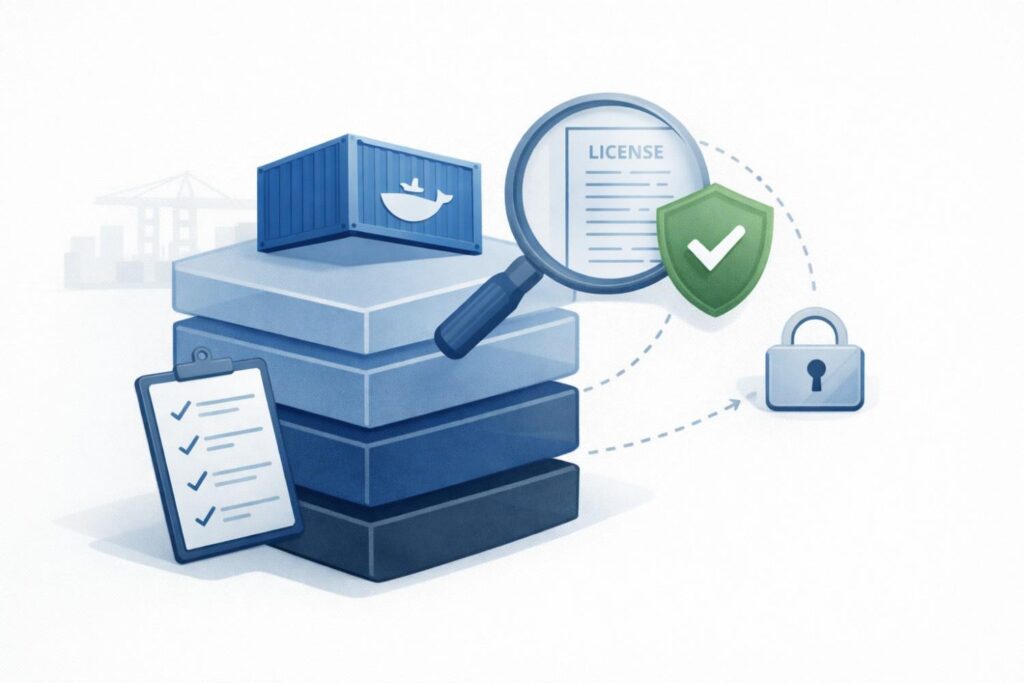
License scans should reflect this reality. Tools need to understand what ends up in the final image. Otherwise, teams waste time fixing issues that never mattered.
The Danger of Transitive Dependencies
Many license issues come from dependencies no one chose directly. A single package can pull in dozens of others, each with its own terms. These hidden dependencies are easy to miss without scanning.
The risk here is not just legal. It is loss of control. When teams do not know what is inside their software, they cannot confidently answer questions about it.
A smart approach is to review dependency trees regularly. When a risky license appears, teams can often replace the top-level package with a safer alternative. Doing this early avoids deep refactors later.
Treating License Decisions Like Product Decisions
Licenses should not be treated as background noise. Choosing a dependency is a product decision. It affects how the business can grow, sell, and partner.
Teams that succeed here align engineering and business early. When a new package is added, its license is checked quickly. If it does not fit the company’s goals, a different option is chosen before it spreads.
This habit builds a culture where compliance is part of good engineering, not an external burden.
Making Scan Results Actionable
Scan reports often fail because they are hard to act on. Long tables of packages and licenses do not tell engineers what to do next.
Good teams translate scan results into clear decisions. Which items must be removed. Which are acceptable with documentation. Which need further review. This translation step is where real value is created.
Over time, patterns emerge. Teams learn which licenses are always fine and which are always risky. Decisions get faster and confidence grows.
Documentation as a Shield, Not Paperwork
Not every flagged license is a problem. Some are allowed with simple conditions like attribution or notice files. The risk comes from not knowing or not documenting compliance.
Light documentation goes a long way. A short note explaining why a license is acceptable can silence future questions. This is far easier than trying to reconstruct decisions years later.
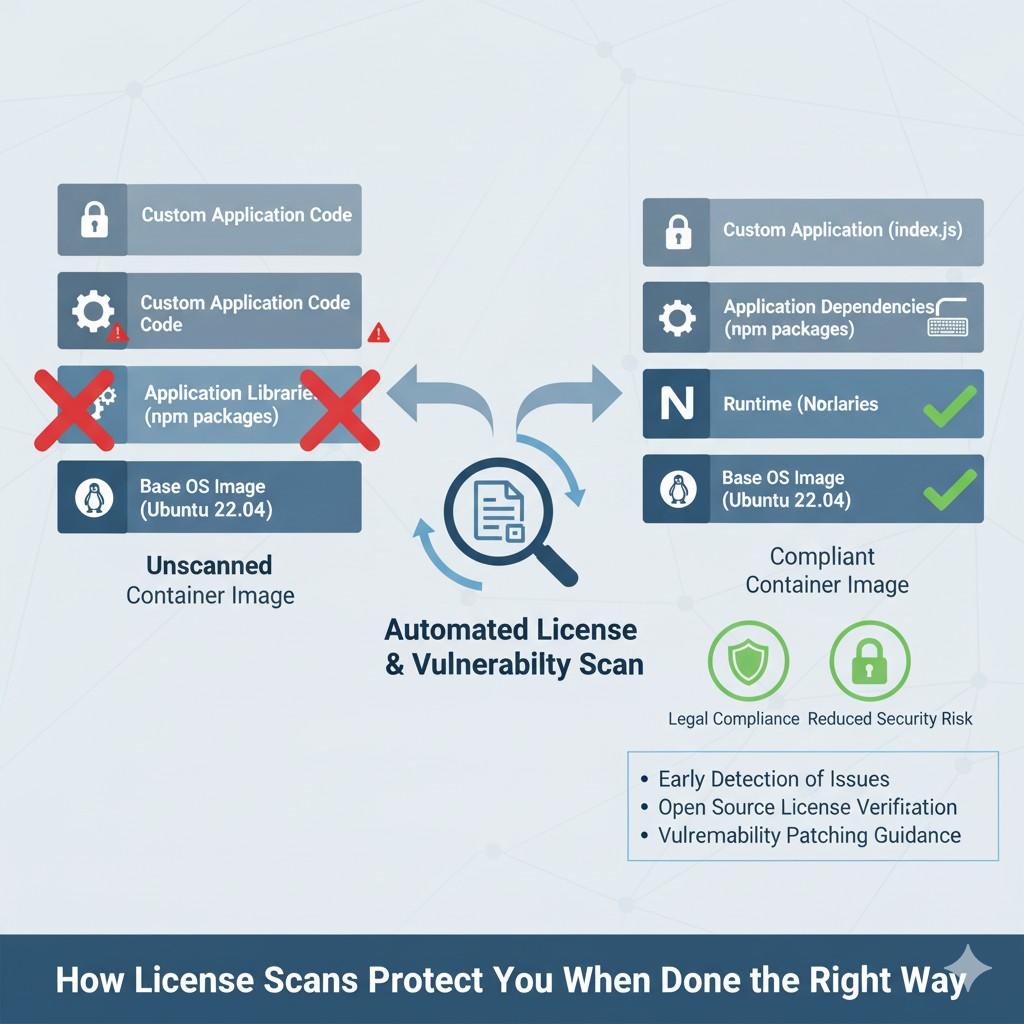
Businesses that do this well build a small but powerful compliance record. It protects them during reviews without slowing daily work.
License Hygiene Supports Faster Growth
Clean license posture speeds up deals. It reduces back-and-forth during security reviews. It builds trust with partners who care about risk.
This is not theory. Buyers and enterprise customers increasingly ask detailed questions about software composition. Teams that already have answers move faster. Teams that do not lose momentum at critical moments.
License scans, when done right, support growth instead of blocking it.
Connecting License Control to Long-Term Protection
Knowing what you ship, under what terms, and with what rights is part of building a defensible business. It is the same mindset required to protect inventions and systems at a deeper level.
PowerPatent was built around this idea. We help founders turn complex technical work into clear, protected assets without slowing them down.
The discipline you apply to license scans is the same discipline that leads to strong patents and fewer surprises later. You can see how that approach works here: https://powerpatent.com/how-it-works.
Using License Scans as a Quiet Advantage
When license scans are integrated early, scoped wisely, and acted on calmly, they become almost invisible. They do their job without drama.
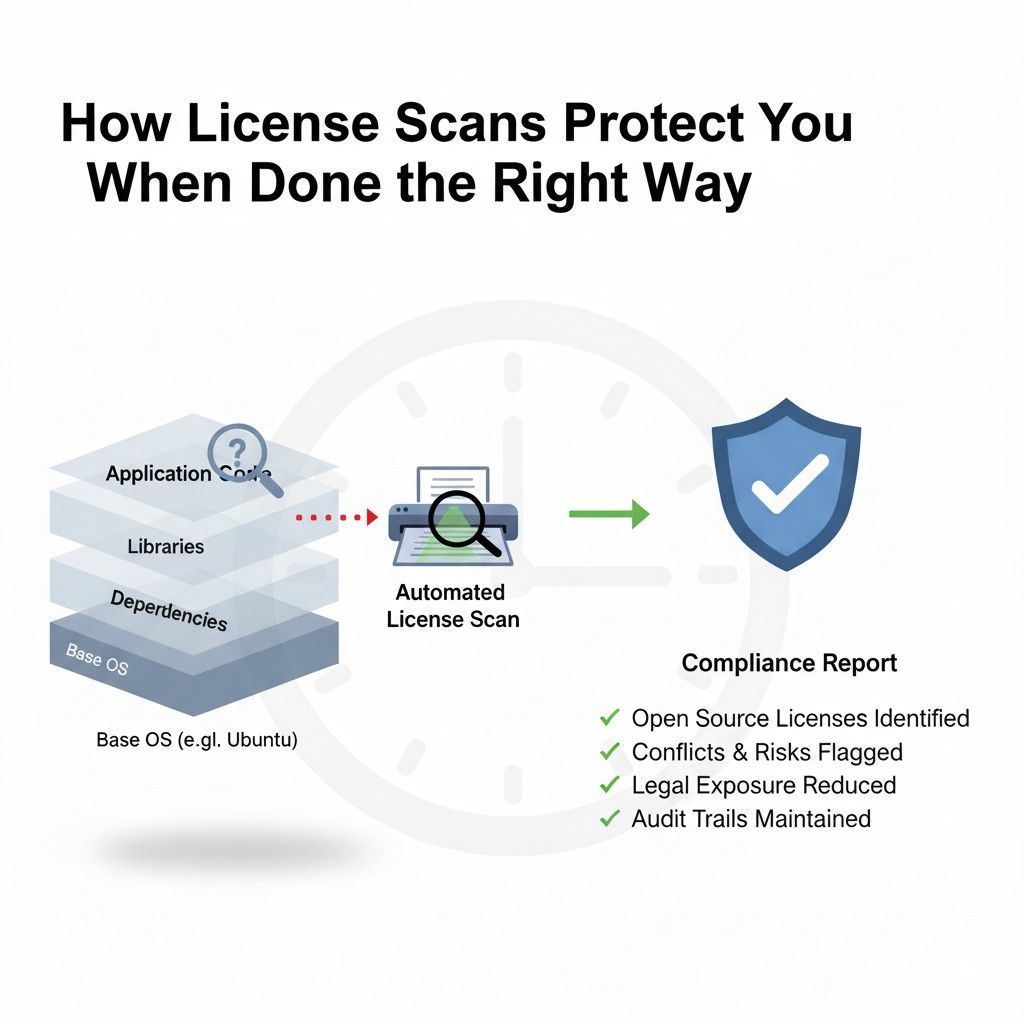
The companies that win are not the ones with perfect tools. They are the ones with clear habits. Regular scans. Clear ownership. Simple documentation. Intentional choices.
Wrapping It Up
Container compliance is not about chasing perfection. It is about removing unknowns before they turn into problems. Images, layers, and licenses are easy to ignore when things are moving fast, but they quietly shape how safe, flexible, and valuable your business becomes over time.
When teams treat container images as living assets, risk becomes visible and manageable. When layers are built with intent, mistakes stop spreading. When license scans are used early and calmly, they protect growth instead of slowing it down. None of this requires heavy process or legal gymnastics. It requires clear thinking and consistent habits.