Most founders don’t think about patents across borders until it’s almost too late. One day you’re building fast, pushing code, running tests. The next day you realize someone in another country could copy your tech, spin it up, and block you out of a market you planned to enter. That’s usually the moment when international filings suddenly feel urgent. And scary. And messy.
How the PCT Really Works When You’re Moving Fast as a Startup
Before diving into the deeper details, it helps to set the stage. The PCT is not a patent. It does not give you worldwide rights.
It is more like a pause button that buys you time while you figure out which markets matter, where your competition is rising, and how your product roadmap will evolve.
When your team is small and your priorities shift fast, this breathing room can be the difference between a smart global strategy and an expensive scramble.
What follows is a clearer, more tactical look at how the PCT fits into the real world of early-stage building, especially when your invention is growing and changing every week.
How the PCT Buys You Time To Think While You Build
Most founders underestimate how valuable time is in the patent world. When you file a PCT, you extend your deadline to enter foreign countries.
This extra window lets you test markets, raise funds, and refine your tech without needing to lock in a long list of countries too early.
It gives your team a way to protect your future options even when you haven’t fully figured out your global path.
This is why the PCT matters so much for fast-moving teams. It gives you space to learn before you commit resources you don’t yet have.
Why The PCT Lets You Adjust As Your Product Evolves
Startups rarely have a final version of anything during the first year. When features shift or your model changes, your original patent filing may also need updates.
The PCT gives you room to file improvements, refine your claims, and strengthen your story before entering national stages. This flexibility can protect you from filing too early when your invention is still taking shape.
It also keeps you from locking in weak claims that would later slow you down or fail to block competitors.
How The PCT Helps You Communicate With Investors
Many founders discover that investors take patents far more seriously when you show not only a filing but a plan.
The PCT acts as a bridge in pitch conversations. It signals you have taken early steps, secured a priority date, and are managing risk across borders.
It also lets you say something very powerful: you have time to decide which markets matter most, based on traction or upcoming partnerships. Investors like momentum, but they also like control.
The PCT helps you tell a calm, controlled story even when your product is evolving at high speed.
Why Startups Should Think About the PCT Sooner Than They Expect
The biggest mistake is waiting until your team is ready for international expansion. By then, deadlines may already be closing in from the first US filing.
Startups usually discover too late that the PCT clock starts from their earliest priority date, not from when they feel ready.
This means if you wait to think globally, you may face a wall of deadlines all at once. When you prepare early, you relieve pressure on your team, avoid large unexpected costs, and protect your ability to grow where demand appears.
When The PCT Helps You Stay Ahead Of Competitors
Competition rarely appears right away. It shows up when you start to get attention. The PCT helps you place a marker early, claiming your spot in the global space before others can jump in.
Even if you are not yet selling outside your home country, the act of reserving your rights can prevent a competitor in another region from filing first and boxing you out.
This is especially important for software, AI, robotics, biotech, and deep tech products, where global replication is fast and the risk of being cut out of a key market is high.
How The PCT Gives You Better Insight Into Patent Strength
Every PCT application goes through an international search, which gives you a clearer picture of the prior art around your idea. This matters more than most founders realize.
When you understand what already exists, you can adjust your claims, refine your story, and make a stronger case when entering national stages.
It also helps you avoid wasting money on countries where your chances of success are low. Startups that use the search results well often end up with stronger, more defensible patents that fit their long-term roadmap.
When You Should Use The PCT To Time Fundraising
Many founders align their PCT timeline with fundraising so they can raise capital before entering costly national phases.
This is a smart move because investors appreciate seeing the global potential, but they also appreciate seeing that you have delayed large expenses until the right moment.
By using the PCT as a timing tool, you control your spend without sacrificing protection.
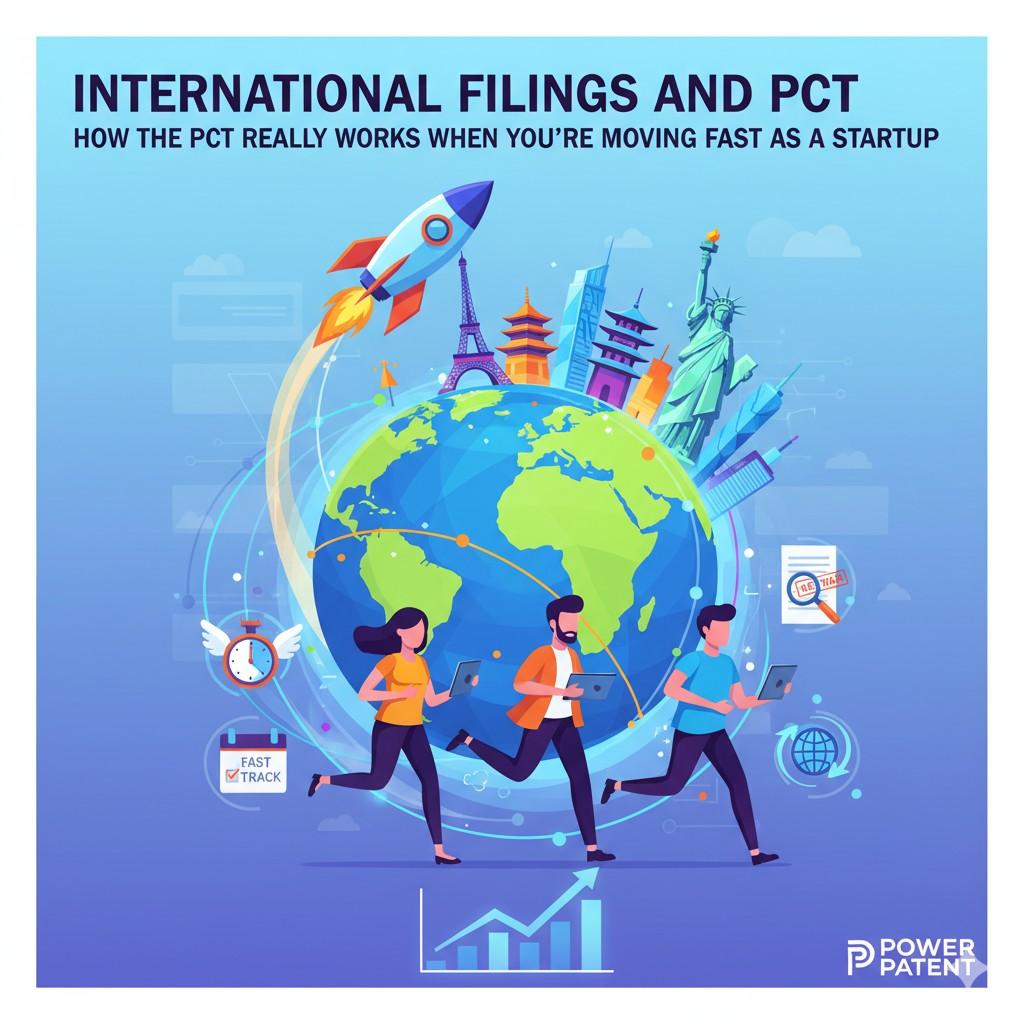
This helps you build runway, expand markets at the right time, and avoid the stress of making financial decisions under deadline pressure.
How The PCT Helps You Prioritize Countries With Real Strategic Value
Not every country deserves your money. The PCT gives you time to understand which markets will actually matter based on user demand, manufacturing plans, distribution partners, regulatory hurdles, and local competitors.
Instead of guessing early, you can make decisions grounded in data. This approach protects your budget and ensures you only invest where you will get real leverage.
It also keeps your patent strategy aligned with business reality, not with outdated assumptions from the early days of your product.
How Startups Can Use The PCT To Build Stronger Internal Processes
The PCT creates a natural structure for reviewing innovation within your team. Every milestone becomes a checkpoint for updating your documentation, refining your technical explanations, and capturing improvements before others copy them.
This habit keeps your IP neat and organized, which is especially important when your product evolves fast.
As your team grows, these processes make it easier to hand off knowledge, avoid mistakes, and keep your IP strategy tightly aligned with engineering progress.
How PowerPatent Can Make The PCT Way Easier
The PCT process is powerful, but it has many moving parts. Tracking deadlines, preparing documents, updating claims, and staying ahead of global filings can drain time from your team.
PowerPatent helps by turning all this into a clear workflow.
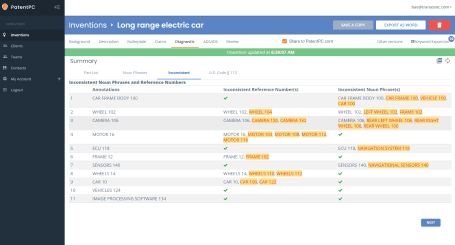
You get smart software that organizes your filings, surfaces mistakes early, and keeps you ahead of deadlines, plus real attorneys who review everything so you never feel lost.
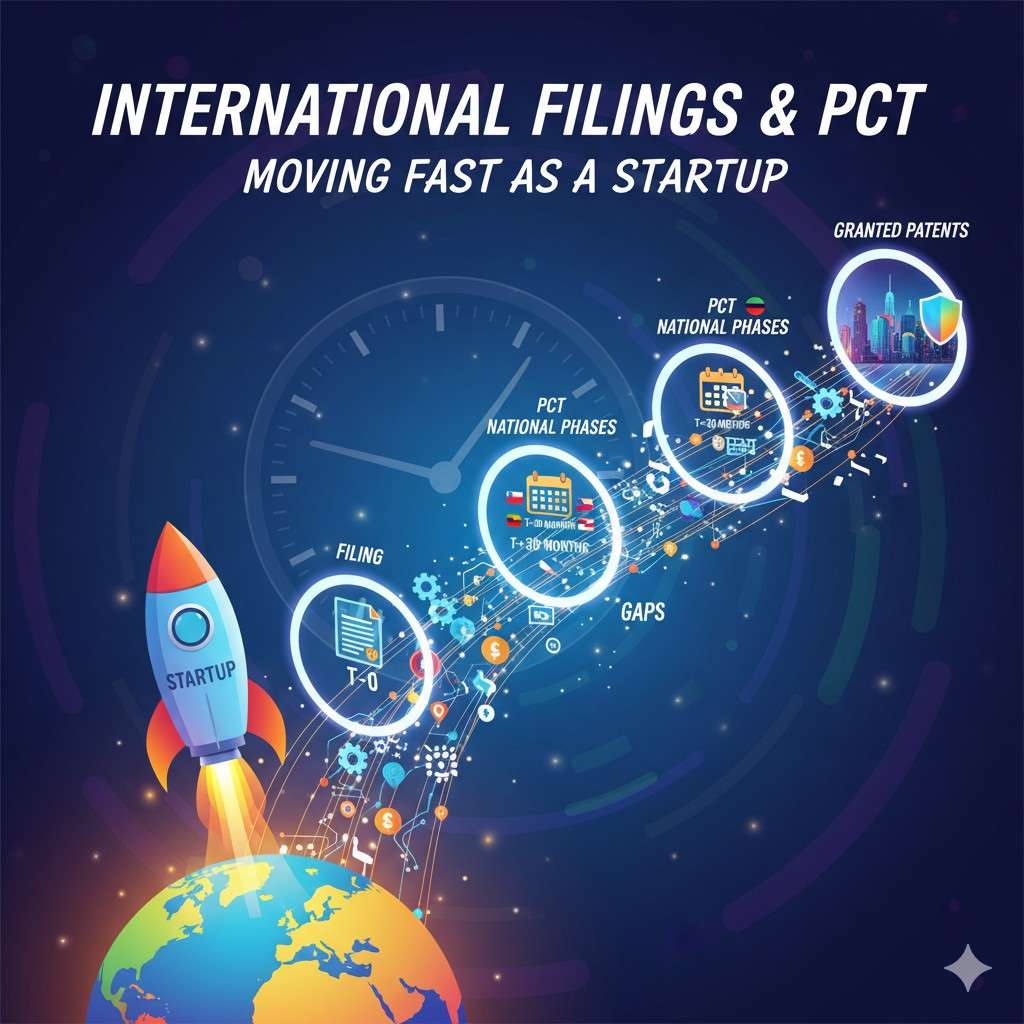
This lets startups move fast without stepping into the gaps that usually cause delays or expensive fixes. If you want to see how it works, you can explore the platform anytime at https://powerpatent.com/how-it-works
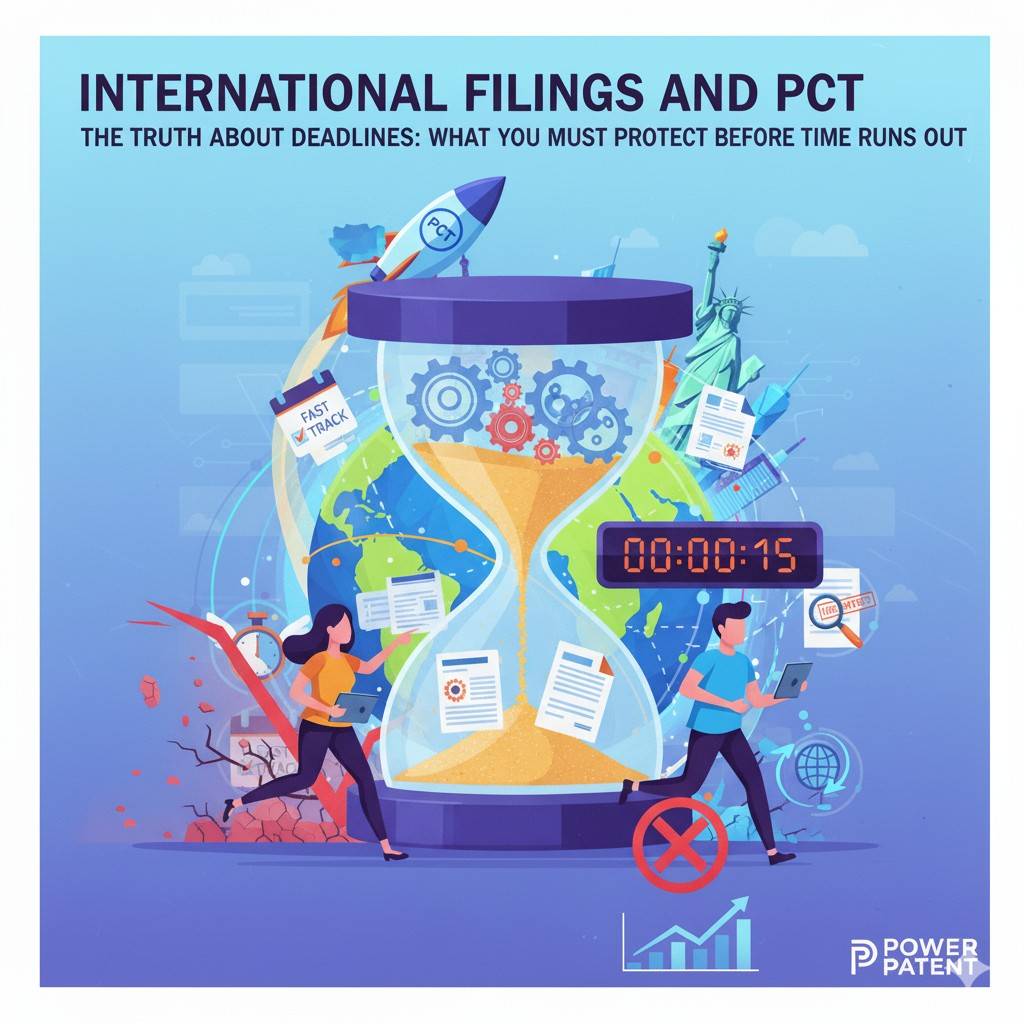
The Truth About Deadlines: What You Must Protect Before Time Runs Out
Deadlines are where most founders feel the pressure. They move quietly in the background while your team is building, testing, shipping, and fixing things in real time.
You rarely think about dates when you are in build mode, and yet the entire patent system revolves around them.
This section gives you a simple but strategic way to understand the deadlines that shape every international filing path.
The aim is not to scare you but to give you control, because when you understand these time limits, you can plan your growth instead of reacting to crises.
Why the First Filing Date Controls Everything
Everything in global patent strategy traces back to your earliest filing. Once you file that first provisional or non-provisional, a countdown begins.
Most founders do not feel it at first because the early months move fast and the invention is still evolving. But the patent system does not slow down just because your roadmap shifts.
This is why knowing your priority date matters so much. It sets the pace for every later move, including your PCT deadline and your entry into foreign countries.
When you anchor your strategy around this one date, the rest of the process becomes more predictable and far less stressful.
How the Twelve-Month Window Shapes Your Options
The twelve-month mark from your first filing is where most of the big decisions sit. You need to know whether you will file a PCT or go straight into national filings.
You also need to decide whether your invention has changed enough to justify updates or a continuation.
When founders understand the meaning of this window, they can plan around it instead of rushing to beat it.
This window lets you gather user feedback, test early markets, pitch investors, and sharpen your technical explanations so that your patent story becomes clearer.
Treating this year as a development runway rather than a ticking clock helps you make stronger, more confident decisions.
Why Missing the PCT Deadline Is Hard to Recover From
Many founders assume these deadlines have safety valves. They do not. If you miss the PCT filing deadline, you lose the chance to reserve your rights globally based on your original date. This can shut you out of major regions where you hoped to grow.
That loss is permanent, and no amount of extra filing or legal effort can undo it. This is why tracking your dates matters so much. Good tools and good habits ensure you never lose rights simply because your team was busy building product and forgot to check a calendar.
PowerPatent helps startups avoid this trap by making deadlines visible and giving you early reminders, so nothing slips through the cracks. You can see how that works at https://powerpatent.com/how-it-works.
How the PCT Timeline Gives You Space but Not Infinite Time
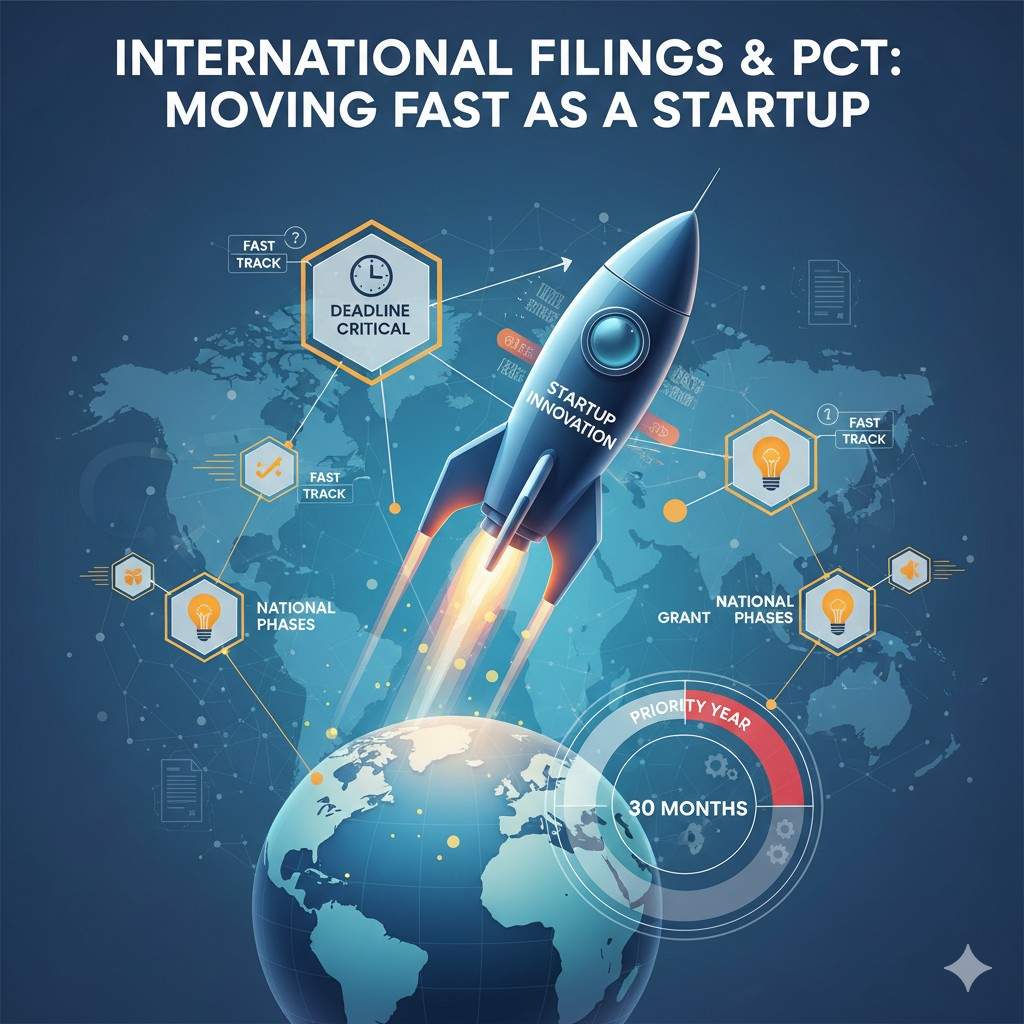
The PCT does not freeze the process forever. It simply pushes your next big set of decisions to the thirty-month mark for most countries.
This extra period is a chance to raise funds, validate markets, adjust claims, and test international interest. But it is not a place to delay thinking.
The teams that get the most value from this timeline use it to strengthen everything: the technical backbone of their application, the clarity of their claims, the alignment with product goals, and the list of countries that actually matter.
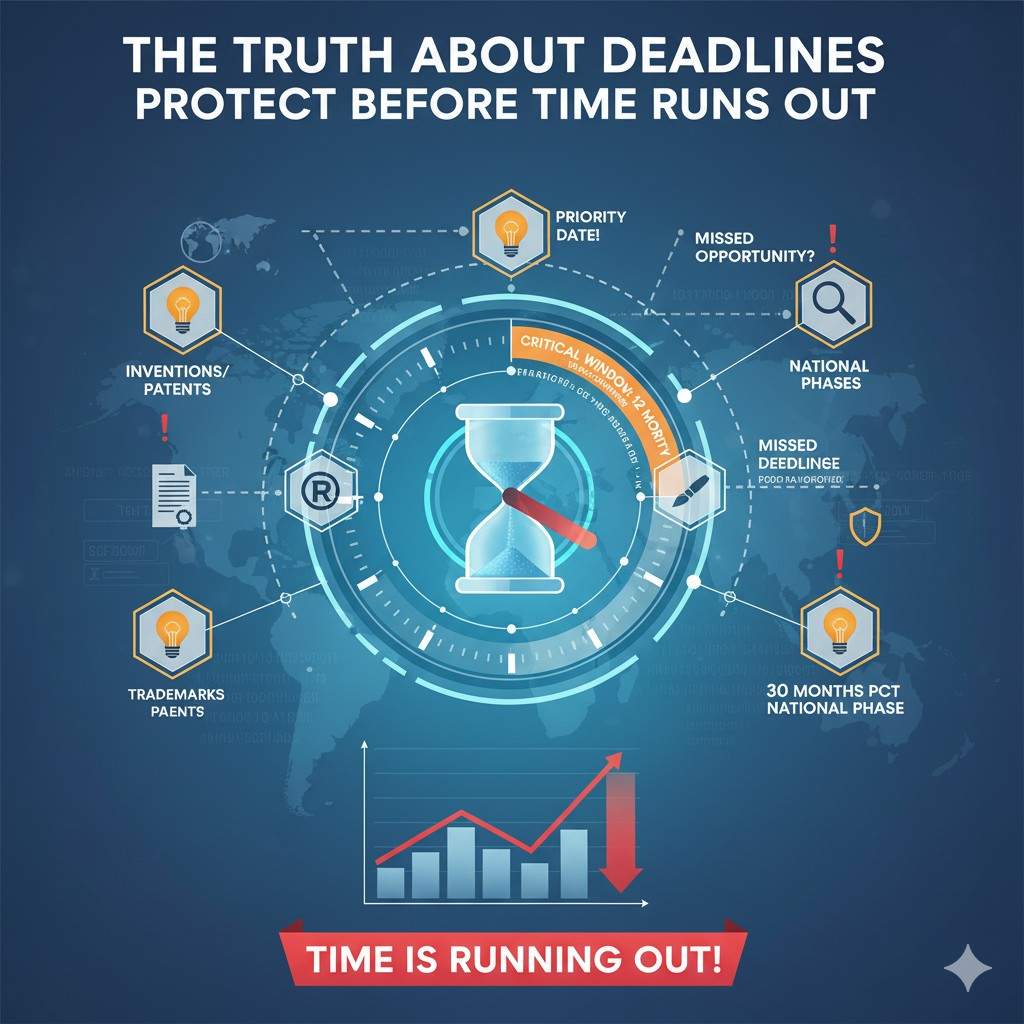
When you use this time wisely, your later filings become smoother and more strategic.
Why the National Phase Deadline Sets the Real Cost Curve
Entering the national phase is where the financial weight appears. Filing in multiple countries, translating documents, responding to local examiners, and managing attorneys across jurisdictions all add up.
This is why you want clarity before you reach this point. If you spend the PCT period learning where your users are, where your competitors are active, and where your business model actually fits, you can avoid unnecessary spending.
Many startups cut their list of countries once they see the real data. Others expand it because their global traction grows faster than expected. Either path is easier when you understand the national phase deadline early.
How Fast-Moving Teams Should Time Their Updates
Your invention will not sit still during these windows. Features will change, new insights will appear, and your team may discover improvements that make the original filing feel incomplete.
This is normal. But it is also important to capture these updates before your PCT deadline, because anything created after your first filing may not be protected unless you add it through follow-on filings.
This is where many founders lose ground. They innovate but fail to record those innovations in a way that the patent system recognizes.

Building a simple habit of logging improvements makes it possible to capture everything before deadlines close.
When You Should Rethink Your Country Strategy
Your early vision of which countries matter might be very different from what you learn later. Maybe you expected strong demand in Europe but discovered early interest in Japan.
Maybe a partnership opens a door in Australia. Maybe manufacturing shifts to a new region. These changes are common, and the PCT period allows you to adjust your global plan without penalties.
The smartest founders revisit their country strategy multiple times. They check the cost of each region, the economic value, the enforcement strength, and the presence of local competitors. As your business evolves, your filing plan should evolve with it.
Why Some Countries Have Different Rules and What That Means for You
Although the PCT creates one pathway, each country adds its own rules once you enter the national phase. Some require translations. Some require early responses. Some are faster or slower in examination.
Some are friendly to software and AI, while others are stricter. Understanding these differences ahead of time helps you avoid surprise expenses or slowdowns later.
Planning for these regional quirks during the PCT stage makes everything smoother once you begin the next phase of filings.
How To Keep Your Team Ahead of Every Deadline Without Stress
Founders rarely have time to babysit dates. Teams are stretched thin and priorities shift by the hour.
This is why systems matter. A clear workflow that shows upcoming deadlines, needed documents, and open tasks prevents last-minute rushes.
PowerPatent was built for exactly this challenge, giving founders a simple dashboard that tracks every PCT and national phase milestone so nothing gets missed while you grow your startup.
If you want a clearer view of how this works in practice, you can explore it anytime at https://powerpatent.com/how-it-works.
The Gaps That Catch Most Founders Off Guard (And How to Avoid Them)
Before diving into the deeper traps hidden inside the international filing system, it helps to pause for a moment and understand why these gaps show up in the first place. Startups move fast. Features change.
Markets shift. Teams grow. Nothing stays still long enough for a slow legal process to keep up.
The patent world was built for a slower pace, and founders often discover the gaps only when they are already deep into product launches or investor talks.
This section gives you a clear and practical view of the places where startups usually stumble, and how you can avoid these traps long before they threaten your global rights.
How Early Public Disclosure Quietly Breaks Your Global Options
Many founders do not realize that talking about your product too early can destroy your rights in many countries.
A pitch deck, a demo day, a public GitHub repo, a research paper, or even a casual conference talk can count as public disclosure.
In some countries, once you share your invention publicly without a filing in place, you lose the chance to patent it there forever.
The United States gives you a short grace period, but most countries do not. This is why timing matters so much.

There is nothing worse than building something new, showing it proudly, and later discovering that half the world is now off-limits. Filing early protects your future choices and keeps your roadmap open.
Why Provisional Filings Create False Confidence
Provisional applications are helpful because they let you secure an early date quickly. But many founders treat them like full protection, and that is where the trouble begins.
A provisional only protects what is actually written inside it. If your description is thin, vague, or missing key details, it may not support strong claims later. This becomes a real problem at the PCT stage when you try to expand globally.
If your provisional was weak, the base of your entire international strategy becomes weak too.
The safest path is to treat your provisional seriously, with detailed explanations and strong technical depth. This ensures your PCT filing is built on solid ground rather than on missing pieces.
How Fast Product Changes Create Protection Gaps
A startup’s invention never stops changing. New features ship weekly. Engineers refine models. Hardware gets redesigned. But the patent you filed months earlier does not update itself.
If you do not track your improvements and capture them in new filings, those updates may be unprotected. Competitors can copy improvements that are not covered.
Many founders assume their original filing covers everything. In reality, patents only protect what they describe.
This is why growing startups often file follow-on applications or updates before entering the PCT or national phases. Doing this keeps your protection aligned with your product rather than letting gaps widen over time.
Why Many Global Strategies Fail Because of Budget Shock
Global filings are expensive, and the cost curve hits hard once you leave the PCT phase. Startups that never planned for this moment often panic.
They either cut too many countries or skip important markets because they did not prepare early enough.
This sudden cost pressure can damage business plans, slow momentum, or create weak coverage. The founders who avoid this shock look ahead during the PCT period.
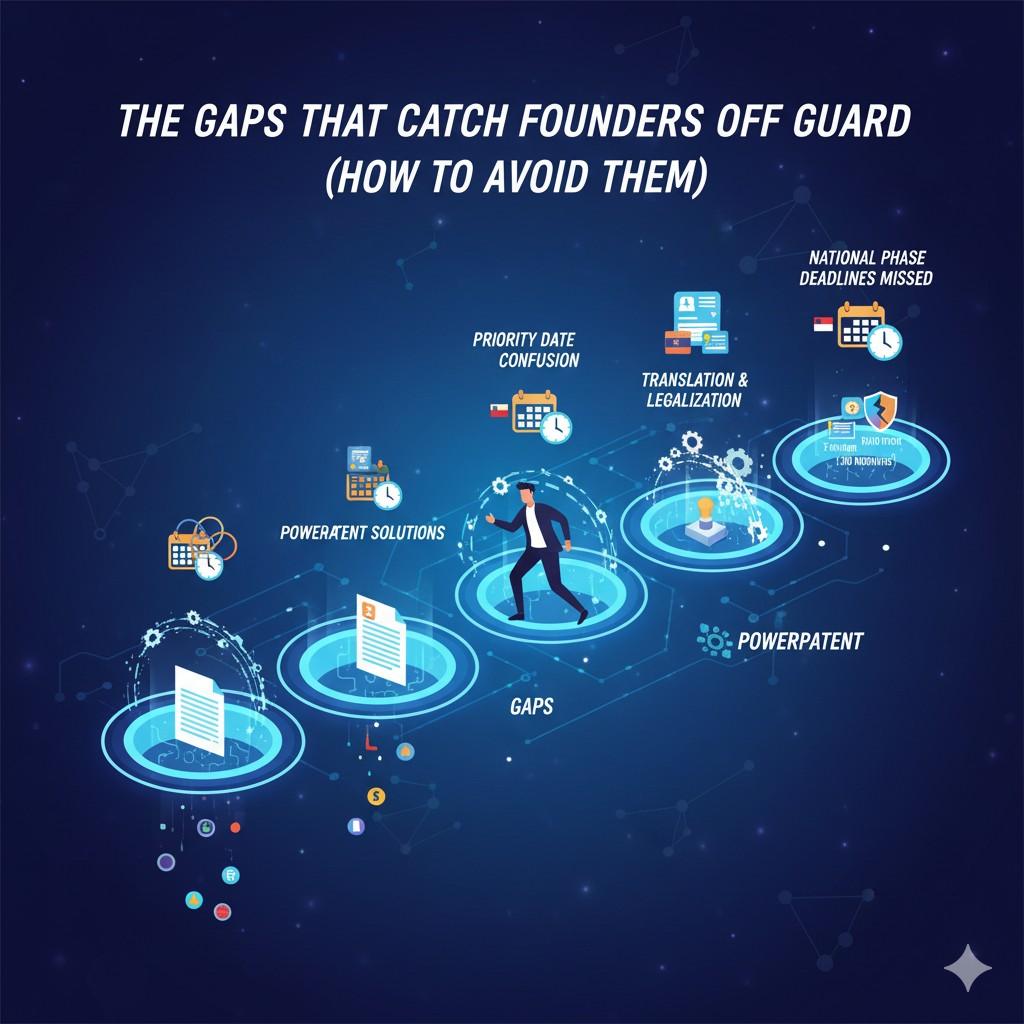
They map out costs early, match their filing plan to their fundraising timeline, and avoid surprise decisions made under stress. With proper planning, you can grow your protection gradually instead of feeling forced into major expenses all at once.
How Translation Requirements Create Delays You Never Saw Coming
Some countries require your application to be translated immediately upon entry. These translations need technical accuracy, and mistakes can cause delays or even rejections.
Many founders underestimate the time this process takes, especially when managing a complex AI or hardware invention filled with diagrams and code-level explanations.
Planning for translations early prevents the last-minute rush that often leads to errors. It also helps you estimate your costs accurately, since translation is one of the biggest silent drivers of international filing expenses.
Why Local Patent Laws Can Hurt You If You Don’t Prepare
Every country handles patents differently. Some countries are more welcoming to software and AI. Others require stricter rules or extra documentation.
Some expect faster responses to examiner questions, while others move slowly. These differences matter because they influence your chances of success.
If you enter a region without understanding its rules, you may waste money on filings that cannot succeed. This is why founders benefit from reviewing the landscape before committing.
A clear picture of each region’s rules helps you pick the countries where you actually have a strong chance to win protection.
When Competitors Exploit Your Gaps Before You Notice
Global competitors move fast. Once your product gains attention, they start looking for openings. The most common opening is a gap between your features and your filings.
If you never captured your improvements, they may file first on those refinements. If you missed a PCT deadline, they may secure rights in regions you skipped. If your provisional left out key details, they may develop around your weak claims.
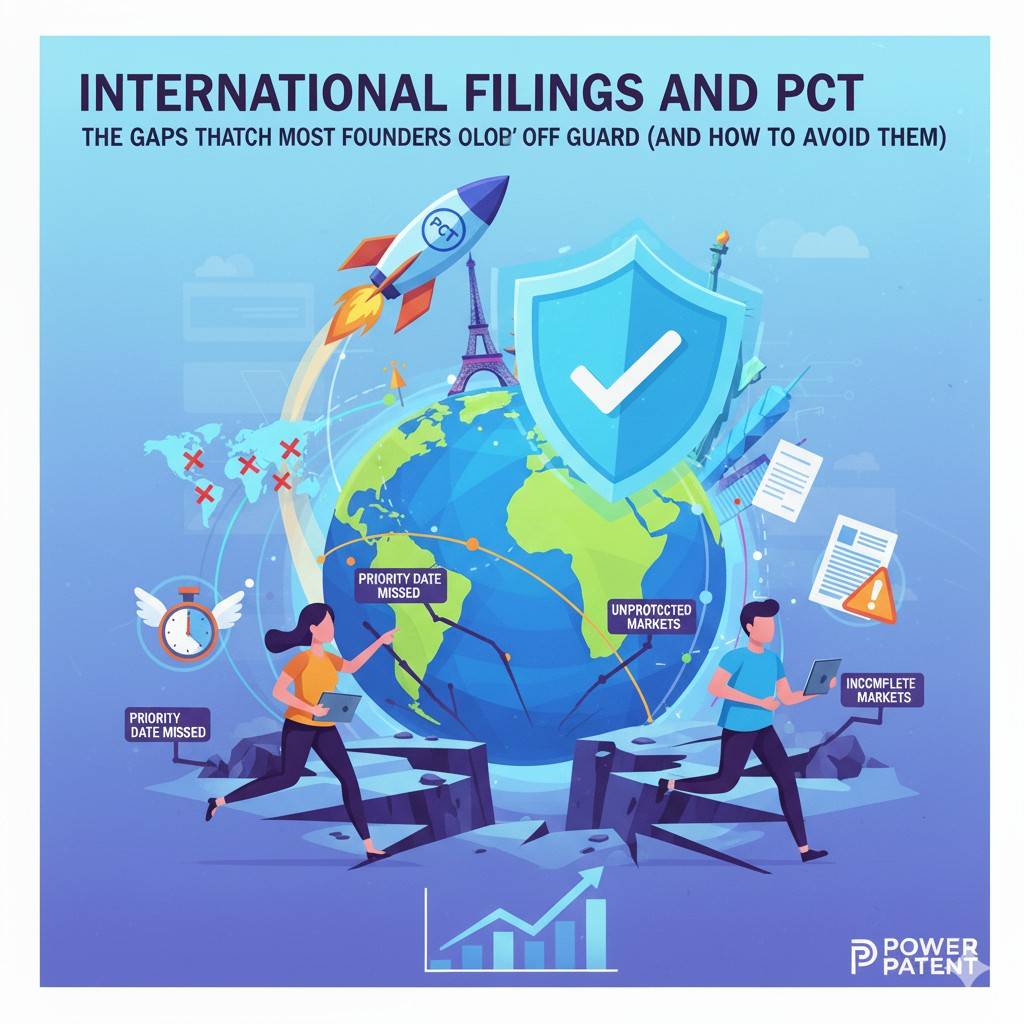
Staying ahead means seeing your own gaps before they see them. This is why regular review of your filings during the PCT period matters so much. It is easier to fix gaps early than to defend yourself later.
Why Startups Underestimate the Time Needed for Claim Refinement
Many founders assume the claims from their first filing will simply carry through to the international stage. But the PCT search results often reveal new prior art or earlier work that you did not know about.
When this happens, you need time to refine your claims so they stay strong. Doing this too late, or doing it in a rush, creates weak points that competitors can exploit.
When you refine early, you position yourself for smoother national filings and better protection in the markets that matter most.
How Weak Documentation Slows Everything Down
The patent process depends heavily on good documentation. Poor notes, missing diagrams, unclear explanations, or inconsistent descriptions create friction everywhere.
They cause misunderstandings with attorneys, slow down drafting, and weaken your ability to defend your invention later.
When your documentation is clean and clear, every stage moves faster. It also makes it easier to update your filings as your product evolves, because you always have a clear technical record to build from.
This simple habit can save months of delays and thousands of dollars in fixes.
Why PowerPatent Helps Close These Gaps Before They Cost You
The biggest challenge for founders is not knowing where the gaps are until it is too late. PowerPatent helps you spot them early by giving you a single place to track filings, improvements, deadlines, and attorney guidance.
Instead of scrambling when a deadline is near or discovering weaknesses at the PCT stage, you stay ahead with clear workflows and expert review.
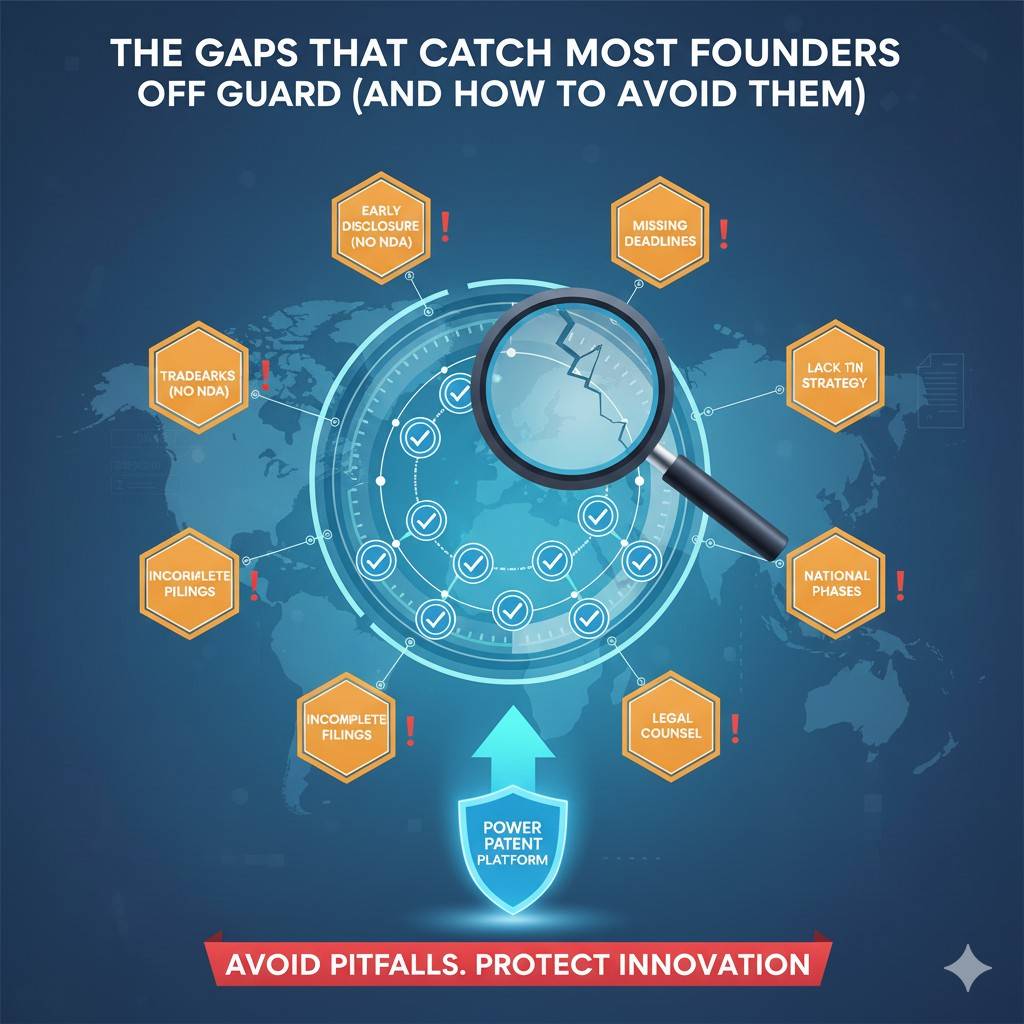
This is how you protect your invention while still moving at startup speed. You can see exactly how this works at https://powerpatent.com/how-it-works.
Wrapping It Up
Every founder building something new eventually reaches the same point: the moment when the product starts gaining traction, the interest grows, and the world outside your home market begins to matter. That moment is exciting, but it is also when the risks around global protection become very real. International filings and the PCT are not just legal steps. They are tools that help you stay in control while your company grows. They protect your space. They buy you time. They give you choices. And they prevent competitors from slipping into the gaps you never meant to leave open.