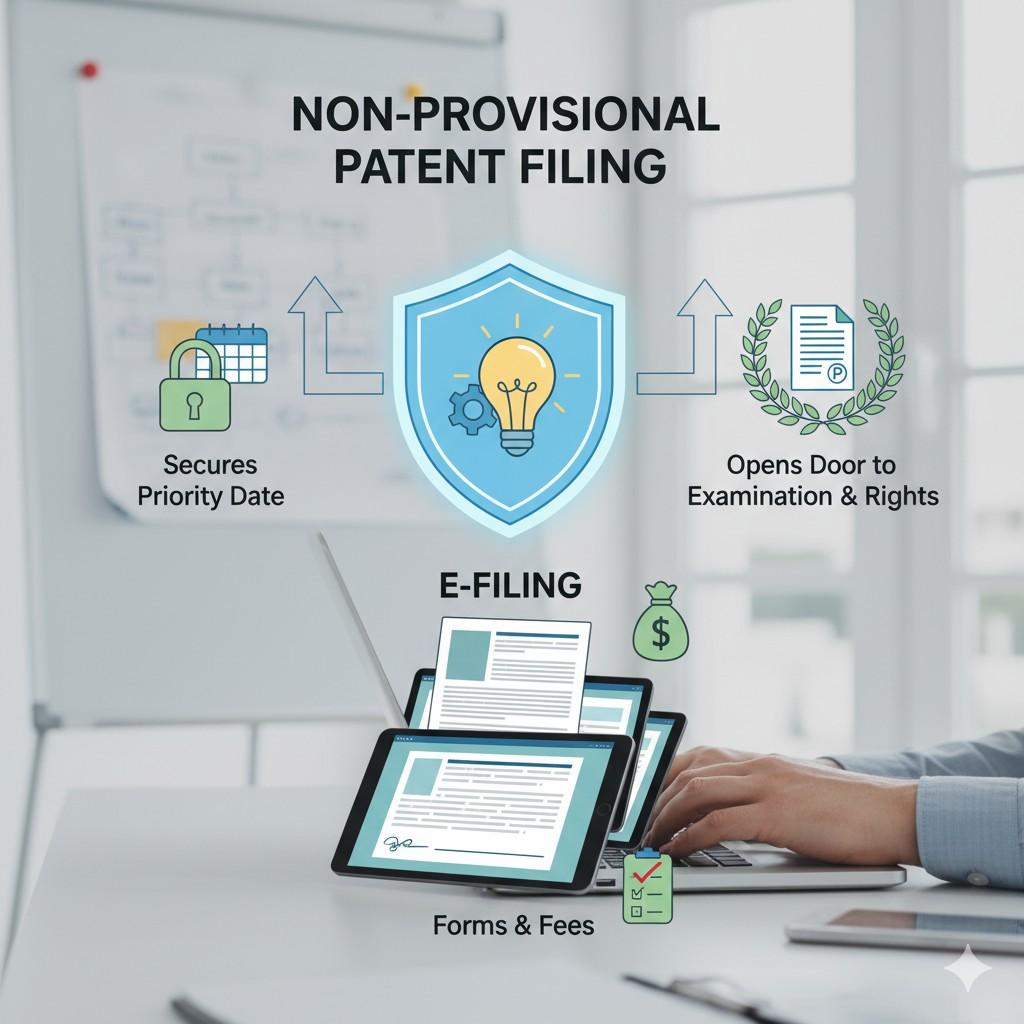
Non-provisional e-filing is the moment where your invention stops being an idea on your laptop and starts becoming real legal property. This is the filing that actually turns your work into a patent application the world can see, challenge, and respect. And yet, this step is where most founders feel the most confused, rushed, or unsure. Forms feel endless. Fees feel unclear. One missed check can quietly undo months of hard work. This article is here to change that. We are going to walk through non-provisional e-filing in plain, simple language, without legal fog or filler.
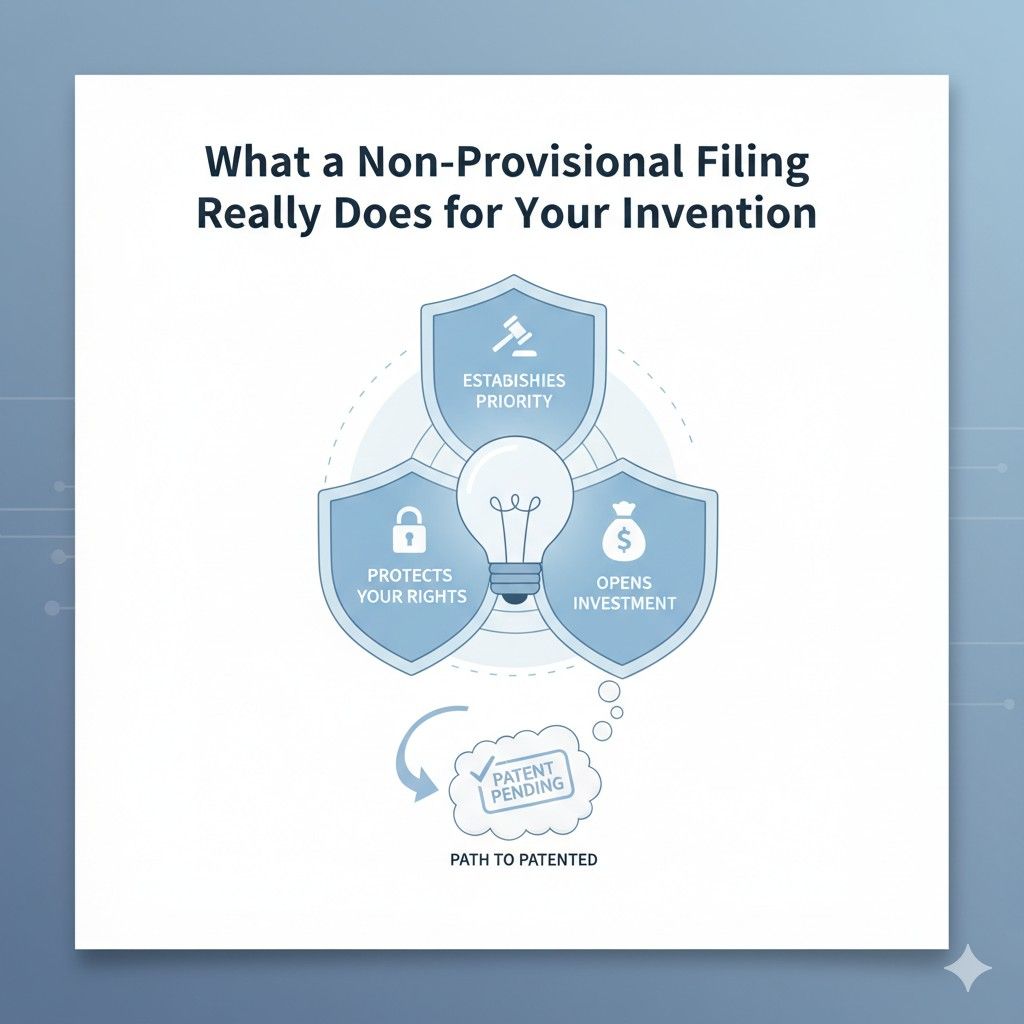
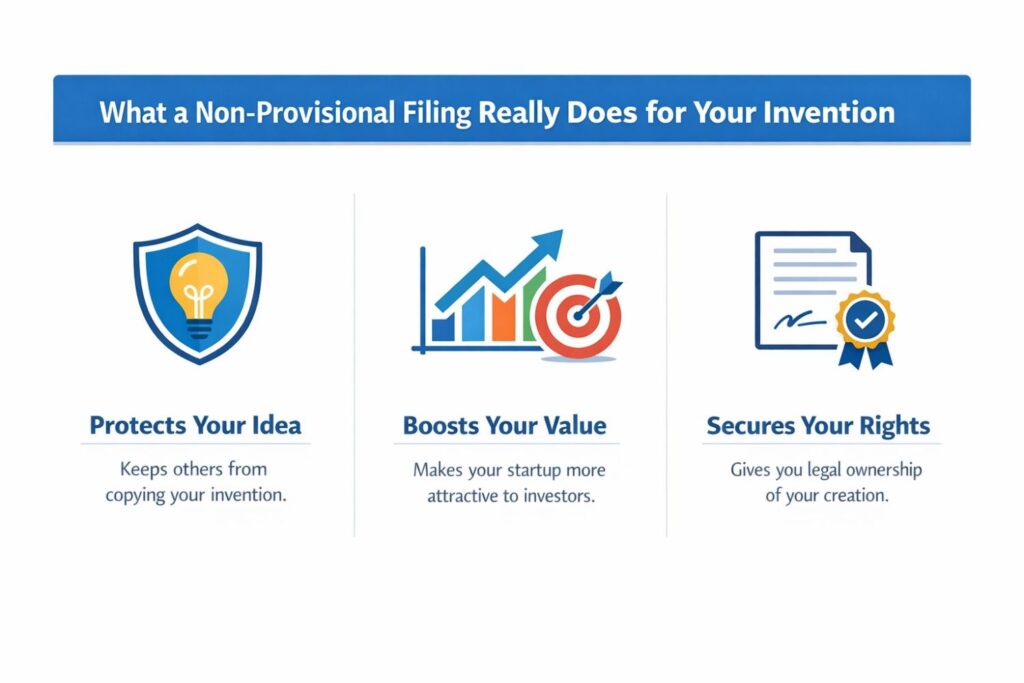
What a Non-Provisional Filing Really Does for Your Invention
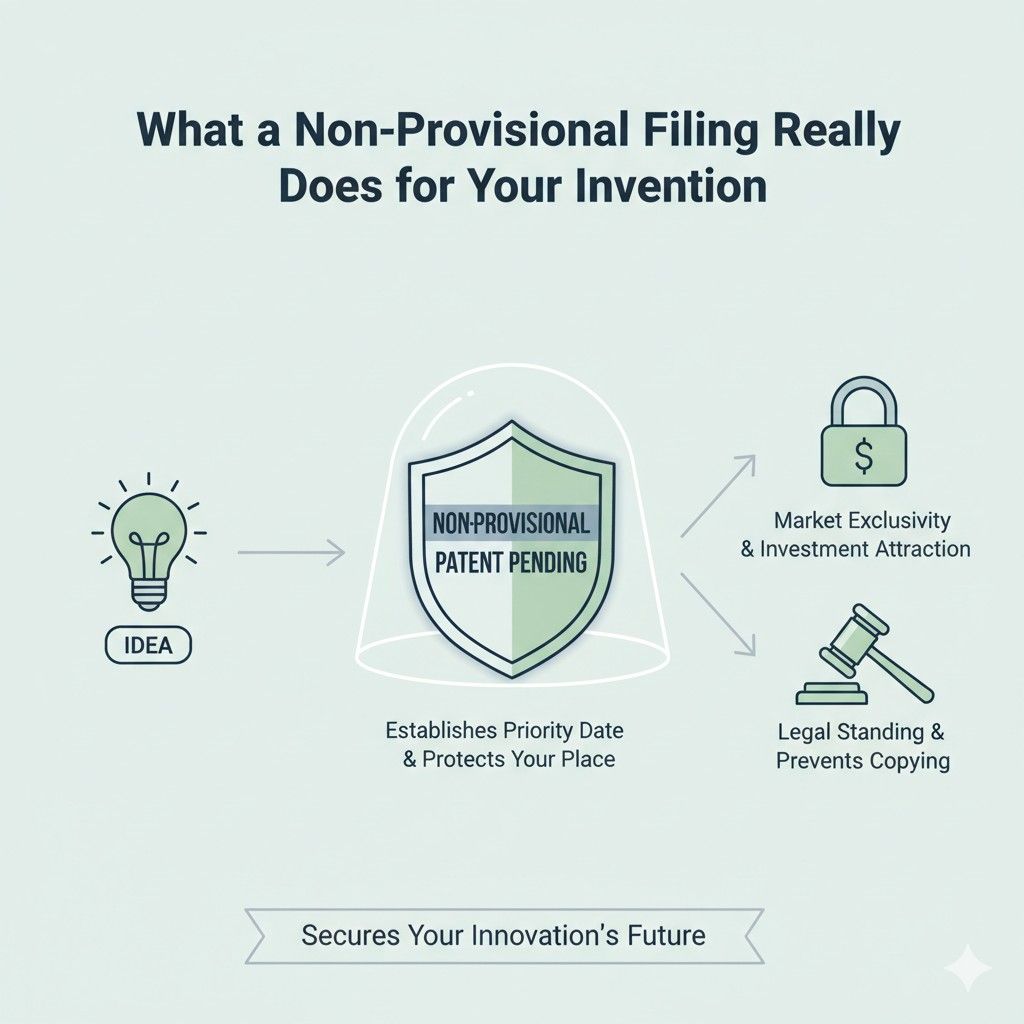
A non-provisional filing is not just paperwork. It is the step where your invention turns into a real business asset. This is where your idea stops being fragile and starts becoming defensible.
Many teams think of this filing as a legal chore. Strong teams treat it like a strategic move that protects growth, leverage, and future value. This section explains what that filing truly does and how smart businesses use it to stay ahead.
It Turns Your Idea Into Property, Not Just Proof
The biggest shift that happens with a non-provisional filing is ownership with teeth. Before this filing, you may have notes, code, designs, or even a provisional application.
After this filing, you have staked a formal claim that can mature into enforceable rights.
This matters because investors, acquirers, and partners do not value ideas. They value ownership.
A non-provisional filing creates a clear record that says this invention belongs to your company, not just to the founder’s brain or a shared doc.
Actionable advice here is to make sure the filing is assigned to the company from day one. Do not leave this as a clean-up task later. Clean ownership early avoids painful fixes when the stakes are high.
It Locks in Your Real Priority Date
Timing is quiet but ruthless in patents. A non-provisional filing locks in the date that defines what counts as prior art against you. Everything after that date has less power to block your patent.
Businesses that win treat this date like a launch deadline. They align product releases, demos, and public talks around it. If you plan to ship or announce something meaningful, the non-provisional filing should come first.
A simple habit that helps is to treat filing as part of your release checklist, not as a separate legal task. Tools like PowerPatent are built to support this rhythm so filings move at the speed of product, not the speed of old firms.
It Forces You to Define the Business, Not Just the Tech
One of the hidden strengths of a non-provisional filing is that it forces clarity. You cannot stay vague. You must explain how the invention works, why it is different, and where it creates value.
For businesses, this is a chance to step back and look at the invention through a market lens. Ask what parts actually drive advantage. Ask what competitors cannot easily copy.
The filing should focus on those answers. A strong move here is to involve both engineering and business leaders in review. When both sides agree on what matters most, the patent becomes sharper and more aligned with company goals.
It Creates Defensive Space Around Your Product
A good non-provisional filing does not just describe what you built today. It creates space around it. That space makes it harder for others to design around you with small tweaks.
This is where many companies fall short. They file what exists instead of what could exist. The actionable step is to include reasonable variations and future paths that are already visible to your team.
If your roadmap hints at where the product is going, the filing should reflect that direction. This does not mean guessing wildly. It means protecting obvious next steps before someone else does.
It Signals Seriousness to Investors and Partners
Non-provisional filings send a quiet but strong signal. They show that the company takes protection seriously and plans to build long-term value. This signal matters even before a patent is granted.
Investors often look at filings as proof of discipline. Partners see them as a sign of stability. A practical move is to keep a clean summary of what the filing covers and why it matters.
This helps you explain your IP story clearly in pitches and meetings without dragging people through legal details. PowerPatent helps founders turn filings into clear narratives that support fundraising and deals.
It Shapes How Examiners See Your Invention
The way your non-provisional application is written sets the tone for the entire review process. Examiners read thousands of applications. Clear ones stand out fast.
From a business view, clarity saves time and money. Confusing filings lead to long back-and-forth, delays, and extra costs. A strong tactic is to explain the invention as if the reader is smart but new to your field.
Simple language does not weaken patents. It strengthens them. When the core idea is easy to grasp, it is easier to defend.
It Determines How Flexible Your Claims Can Be
Claims are where value lives. They define what you can stop others from doing. The non-provisional filing is your only real chance to support strong and flexible claims.
If the description is narrow, claims must be narrow. If the description is broad and well thought out, claims can adapt over time. The business takeaway is to invest effort upfront.
Rushing this step often leads to weak protection that cannot be fixed later. This is where attorney guidance paired with smart software makes a real difference, which is why PowerPatent blends both from the start.
It Reduces Risk During Growth and Scale
As companies grow, risk changes shape. Early on, risk is about speed and survival. Later, it is about competition, copycats, and lawsuits. A solid non-provisional filing reduces these future risks quietly.
An actionable habit is to treat patent review as part of your annual planning. Revisit what you filed and compare it to where the business is now.
This helps you spot gaps early and plan follow-on filings before problems appear. Patents work best when they grow alongside the company, not when they lag behind it.
It Gives You Options, Even If You Never Enforce
Many founders worry that patents are only useful if you plan to sue. That is not true. Most value comes from optionality. Patents give you leverage in talks, protection in negotiations, and confidence when entering crowded markets.
A non-provisional filing is the foundation of that leverage. Even if you never enforce it, others know you could. That knowledge alone often changes behavior.
For businesses, this means filing is not about aggression. It is about stability and choice.
It Becomes a Long-Term Asset on Your Balance Sheet
Over time, patents turn into real assets. They can be licensed, sold, or used to support valuation. This only happens if the foundation is strong.
The smart move is to treat the non-provisional filing like an investment document, not a formality.
Review it with care. Make sure it reflects the company you are building, not just the code you wrote last month. When done right, this filing continues to pay value long after the ink is dry.
If you want to move through this process with speed, clarity, and real attorney oversight without slowing down your team, you can see how PowerPatent supports founders at https://powerpatent.com/how-it-works.
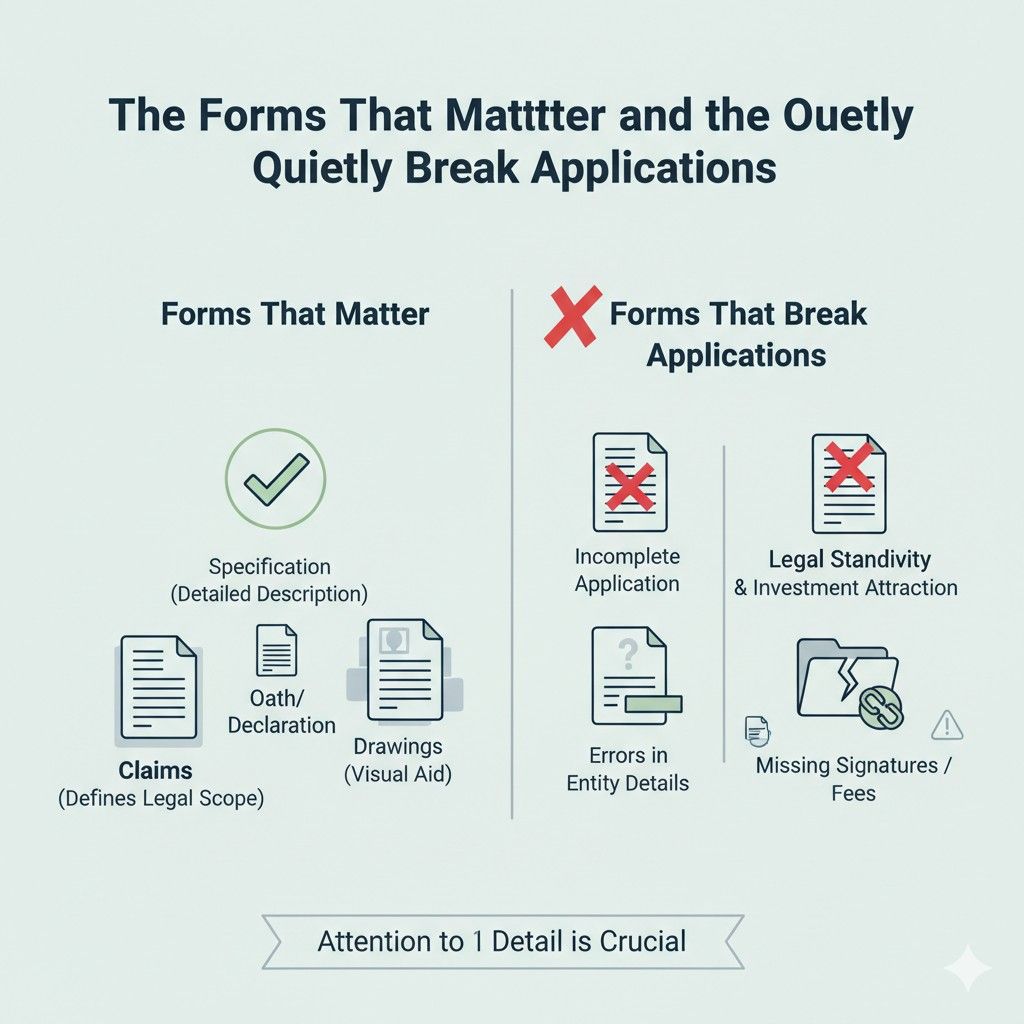
The Forms That Matter and the Ones That Quietly Break Applications
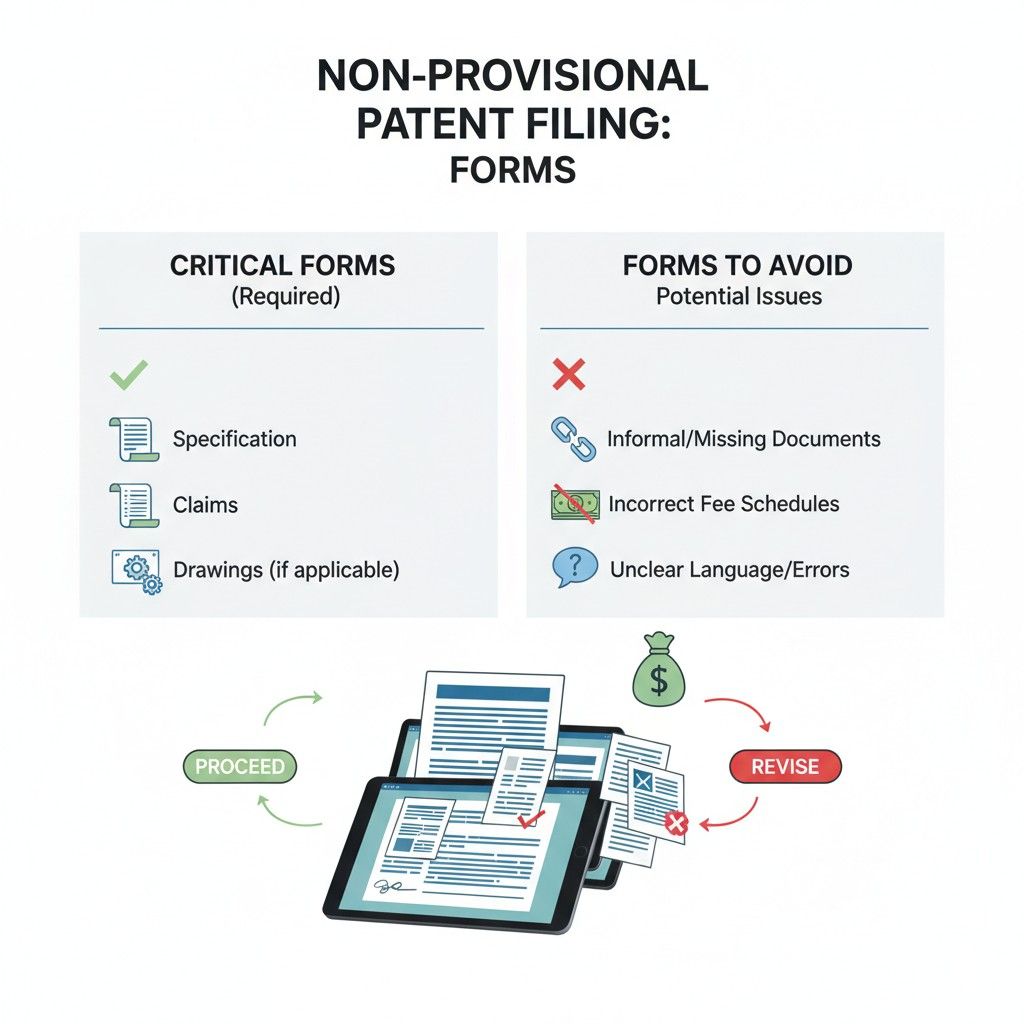
Filing a non-provisional patent is not hard because the ideas are complex. It is hard because the system is unforgiving. The forms look simple, but small mistakes can weaken or even sink an application without any warning.
For businesses, this part of the process is where discipline matters more than brilliance.
This section breaks down what these forms really do, how they connect to business outcomes, and how to avoid the silent errors that cost time, money, and leverage later.
Why Forms Are Not Just Admin Work
It is easy to treat forms as background noise. Many teams rush through them just to get to the technical content.
This mindset is risky. These forms are legal statements that shape how the application is processed, owned, and examined.
From a business view, forms are contracts with the patent office. They set expectations. They define responsibility. They lock in details that are hard to change later.
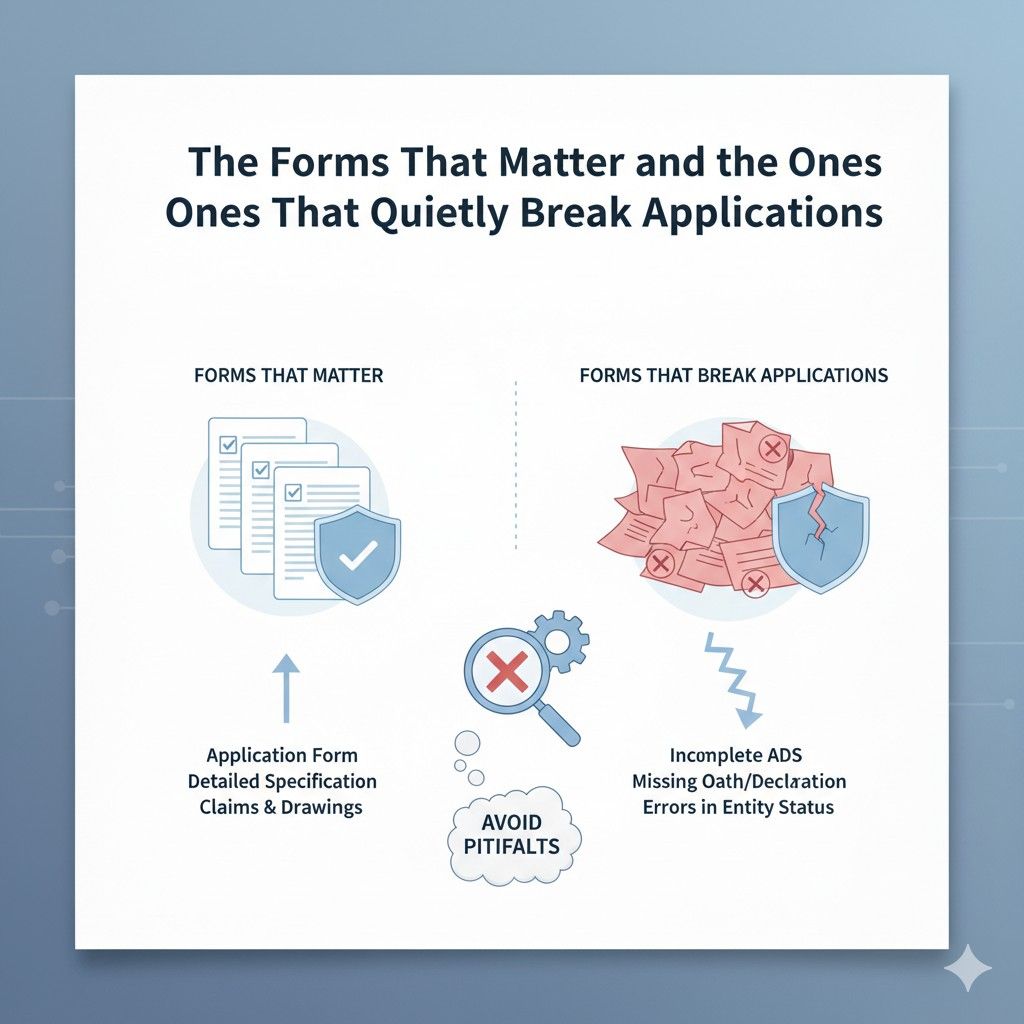
A smart move is to treat form review like contract review. Slow down just enough to confirm every name, date, and choice matches the company’s real structure and plans.
The Cover Sheet and What It Signals
The cover sheet seems harmless. It collects basic information and moves the filing along. But it also sends signals about the applicant, the inventors, and the type of entity involved.
For startups, the most common issue here is misalignment between the company and the filing. If the company is the real owner, the filing should reflect that clearly.
Leaving things vague creates confusion later during funding or acquisition.
A strong habit is to align your cap table, assignment agreements, and cover sheet details before filing. This alignment reduces friction when investors do their checks.
Inventor Information and Long-Term Risk
Inventor details are more than names and addresses. They define who has legal rights tied to the invention. Getting this wrong can cause disputes years later.
Businesses should take time to confirm inventorship carefully. This is not about titles or seniority. It is about contribution to the core idea. Including the wrong person or excluding the right one can weaken the patent.
A practical step is to document contributions early and review them with both technical and legal eyes. PowerPatent helps teams do this review in a structured way so nothing is guessed or assumed.
Entity Status and Fee Impact
Entity status affects fees, but it also affects how the company presents itself. Choosing between large, small, or micro entity status must be done honestly and accurately.
For early-stage companies, this choice often changes over time. Filing with the wrong status can lead to penalties or delays. The actionable advice is to double-check eligibility right before filing, not months earlier.
Business conditions change fast. A quick review saves future headaches and shows good faith if questions come up later.
Application Data Sheets and Hidden Leverage
The application data sheet is one of the most overlooked forms. Many teams treat it like a copy-paste task. This is a mistake.
This sheet organizes key information that examiners rely on. Errors here can lead to misclassification or missed connections to related filings. From a strategic view, clean and accurate data helps your application land in the right hands faster.
A good practice is to review this sheet as if you were the examiner seeing it for the first time. If it is clear and consistent, you are helping your own case.
Declarations and the Weight of Signatures
Declarations are serious. They are sworn statements about originality and honesty. Signing without review is dangerous.
Businesses should create a simple internal process for declaration review. Inventors should understand what they are signing and why. This builds trust and reduces risk.
A short meeting to walk through the declaration can prevent misunderstandings later. It also reinforces a culture of care around IP, which matters as the company grows.
Assignments and Ownership Clarity
Ownership issues cause more damage than technical flaws. Assignment forms are where ownership is made official.
For startups, timing matters. Assignments should be executed as close to filing as possible. Waiting creates gaps that show up during due diligence.
A smart move is to treat assignment execution as part of the filing checklist, not a follow-up task. PowerPatent builds this step into the workflow so ownership stays clean from day one.
Fee Transmittal and Processing Speed
Fees are not just costs. They control how smoothly the filing moves through the system. Incorrect fees can stall an application without clear notice.
Businesses benefit from confirming fees at the final moment, based on current entity status and filing type.
This small check can save weeks. Speed matters when product launches and announcements are lined up. Clean fee handling keeps momentum intact.
How Small Errors Create Big Delays
The patent office rarely flags small errors right away. Instead, they surface later as delays or office actions that slow everything down.
From a business angle, these delays cost focus and money. Each fix pulls attention away from building. The actionable insight is to invest a bit more care upfront.
Review forms as a set, not in isolation. Consistency across them matters more than perfection in one.
Building a Repeatable Internal Process
One filing is manageable. Many filings create chaos without a system.
Growing companies should build a simple repeatable process for form handling. This does not need to be heavy. Clear ownership, final review steps, and version control go a long way.
When the process is calm, filings stop feeling like emergencies and start feeling routine.
Why Software Alone Is Not Enough
Automation helps, but it cannot judge context. Forms often require judgment calls that depend on business goals.
The strongest approach blends smart software with real attorney review. This combination catches issues that tools alone miss. PowerPatent is built on this idea, helping founders move fast without cutting corners that later cost more.
Turning Forms Into a Strategic Advantage
Most teams see forms as a tax on innovation. Strong teams use them as a chance to sharpen their position.
When forms are accurate, aligned, and clear, the entire application becomes stronger. Examiners move faster. Investors feel safer. Partners see professionalism. This is quiet leverage that compounds over time.
If you want a smoother way to handle these forms without slowing your team, you can explore how PowerPatent supports founders with guided workflows and real attorney oversight at https://powerpatent.com/how-it-works.
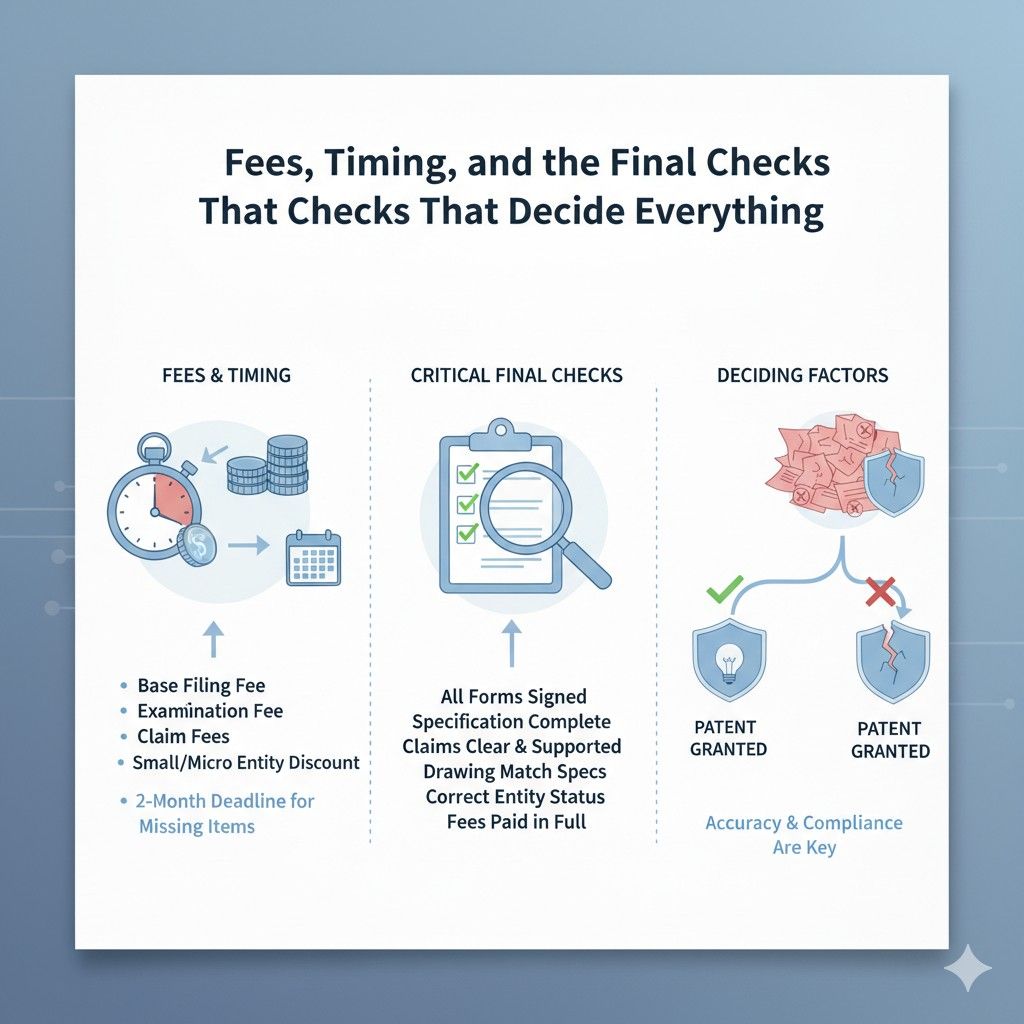
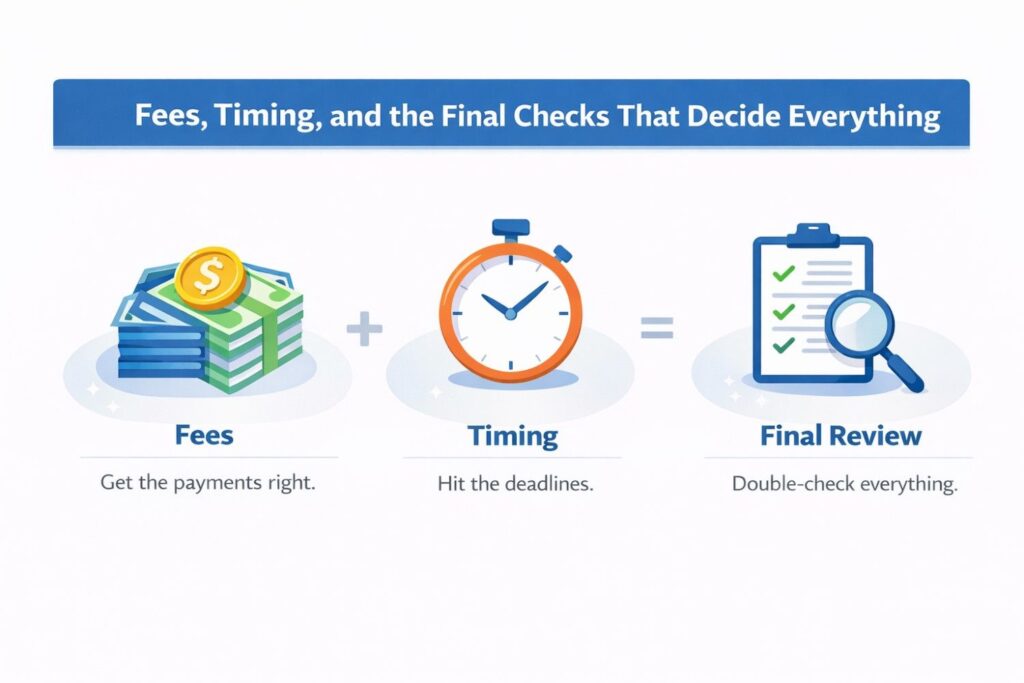
Fees, Timing, and the Final Checks That Decide Everything
This is the part of non-provisional e-filing where strong applications are separated from fragile ones.
Fees, timing, and final checks sound boring, but they control whether your filing moves forward smoothly or quietly falls into delay.
For businesses, this stage is not about saving a few dollars. It is about protecting momentum, avoiding future risk, and keeping control over the story of your invention.
What follows is a deep, practical look at how to handle this stage with precision and confidence.
Why Fees Are a Strategic Choice, Not Just a Cost
Patent fees often feel like a tax on progress. Many founders try to minimize them without fully understanding what they are trading away. This is risky thinking.
Fees are tied to how your application is processed, examined, and maintained.
Paying the correct fee, at the correct time, sends a signal that the application is serious and complete.
Underpaying or mispaying does not save money in the long run. It often leads to delays, correction filings, and legal clean-up that costs far more later.
From a business view, the goal is predictability. You want to know that once you file, the application will move forward without friction. That confidence is worth far more than shaving a small amount off the filing cost.
Understanding Filing Fees in Real Terms
When people talk about patent fees, they often lump everything together. This creates confusion. Filing fees are tied to very specific actions and statuses.
For a non-provisional filing, fees depend on factors like entity size, application length, and how many claims you include. Each of these choices affects cost, but they also affect strength.
Cutting claims to save money can weaken protection. Rushing entity status to qualify for lower fees can create compliance risk later.
The actionable advice here is to decide fees after deciding strategy, not before. Start by asking what level of protection the business truly needs. Then align the fees with that goal. Strong filings are built from intention, not shortcuts.
Claim Counts and Long-Term Value
Claims are where your patent lives or dies. Fees often increase as claim counts rise, which tempts teams to keep claims thin.
This is a dangerous trade. Claims define what competitors cannot do. Filing with too few claims limits future flexibility. Adding claims later is possible, but it often costs more and attracts scrutiny.
A smarter move is to include a reasonable set of claims that reflect both current products and clear future directions.
This may increase upfront fees slightly, but it buys long-term leverage. Businesses that think in years, not months, tend to make this choice.
Excess Page Fees and Description Quality
Application length also affects fees. Long descriptions can trigger extra charges, which pushes some teams to trim aggressively.
Clarity should never be sacrificed for brevity. A strong description supports broad claims and helps examiners understand the invention quickly.
Cutting explanation to save a fee often leads to more office actions later, which cost far more in time and money.
The practical approach is to write clearly and completely, then refine for clarity rather than length. When the description flows well, it often becomes more concise naturally without losing strength.
Timing and the Cost of Waiting
Timing is one of the most misunderstood parts of patent strategy. Many teams delay filing to polish details or wait for more traction. This can quietly destroy value.
Every day you wait is a day where new prior art can appear. It is also a day where public disclosures can hurt your position. From a business standpoint, waiting rarely improves outcomes unless it is part of a clear plan.
The actionable habit is to tie filing decisions to real events. Product launches, demos, pilot programs, and public talks should trigger filing reviews. Filing before exposure protects optionality. Filing after exposure limits it.
Aligning Filing Timing With Business Milestones
Strong companies align patent timing with business milestones. This reduces stress and increases control.
If fundraising is coming up, having a filed non-provisional strengthens your story. If partnerships are forming, it shows seriousness. If hiring is accelerating, it protects internal innovation. Filing should feel like support for growth, not a distraction from it.
This alignment works best when filing is fast and predictable. That is why platforms like PowerPatent focus on speed without sacrificing quality, allowing teams to file when the business needs it, not months later.
The Hidden Cost of Last-Minute Rushes
Rushing at the end creates mistakes. Many filing errors happen in the final days before submission.
These errors are rarely dramatic. They are small mismatches, missing signatures, or outdated information. Each one can delay processing or require fixes that pull attention away later.
The business lesson is simple. Build in buffer time. Treat the final review as a real checkpoint, not a formality. Calm reviews catch issues that rushed eyes miss.
Final Technical Review Before Submission
Before filing, the application should be reviewed as a whole, not as separate parts. The description, claims, drawings, and forms should tell the same story.
From a strategic angle, this is your last chance to ask whether the application truly reflects the business. Does it protect the core value? Does it leave room to grow? Does it avoid locking you into narrow definitions?
A useful exercise is to imagine a competitor reading the application. Would they see clear gaps? Would they find easy workarounds? If the answer is yes, adjustments are needed before filing.
Final Legal Review and Risk Reduction
Legal review is not about perfection. It is about risk reduction.
A good review checks for consistency, compliance, and clarity. It ensures that nothing in the application contradicts itself or creates unintended limits. This is especially important for businesses planning multiple filings over time.
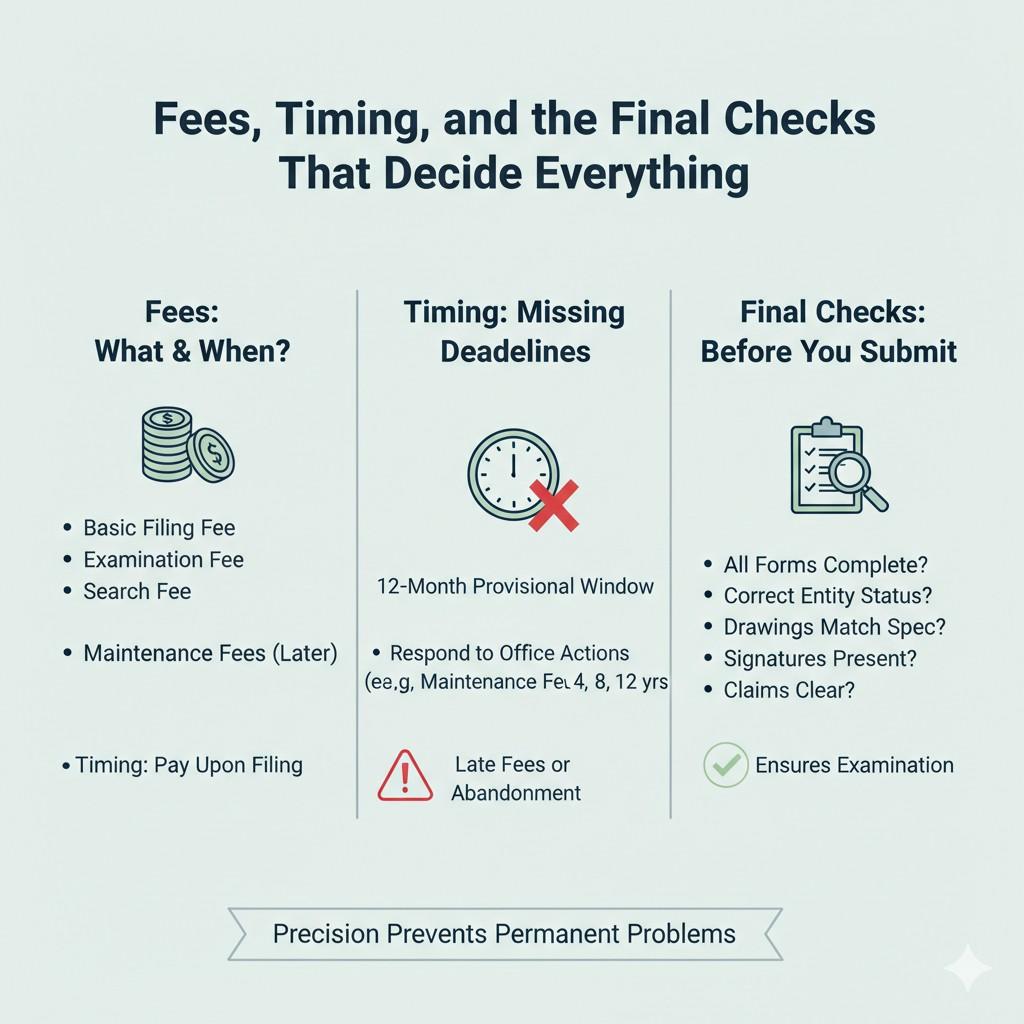
Combining software-driven checks with real attorney oversight catches issues that either alone might miss. This layered approach reduces surprises later, when fixes are harder and more expensive.
Submission Day and Confirmation Discipline
Filing does not end when you click submit. Confirmation matters.
Businesses should always confirm receipt, save filing confirmations, and store them securely. These records matter during disputes, audits, and due diligence. Losing them creates unnecessary stress later.
A simple system for storing filing records saves time and builds confidence. Treat these records like financial documents. They are just as important.
Post-Filing Checks That Many Teams Forget
After filing, it is smart to review what was submitted. Compare the final filed version to what you intended to file.
Catching discrepancies early makes correction easier. Waiting until an examiner points something out limits options. This post-filing check is a quiet habit that strong teams build into their process.
Fees Over Time and Future Planning
Filing fees are just the beginning. Maintenance and follow-on costs come later.
Businesses should plan for these costs early, not react to them when notices arrive. A simple forecast helps leadership understand the long-term investment and avoid surprise decisions that weaken protection.
When patents are treated as long-term assets, planning becomes easier and less emotional.
Turning Final Checks Into a Competitive Edge
Most teams want to be done once they file. Strong teams see final checks as a chance to sharpen their edge.
Clean filings move faster. They face fewer objections. They cost less to maintain. Over time, this discipline compounds into real advantage.
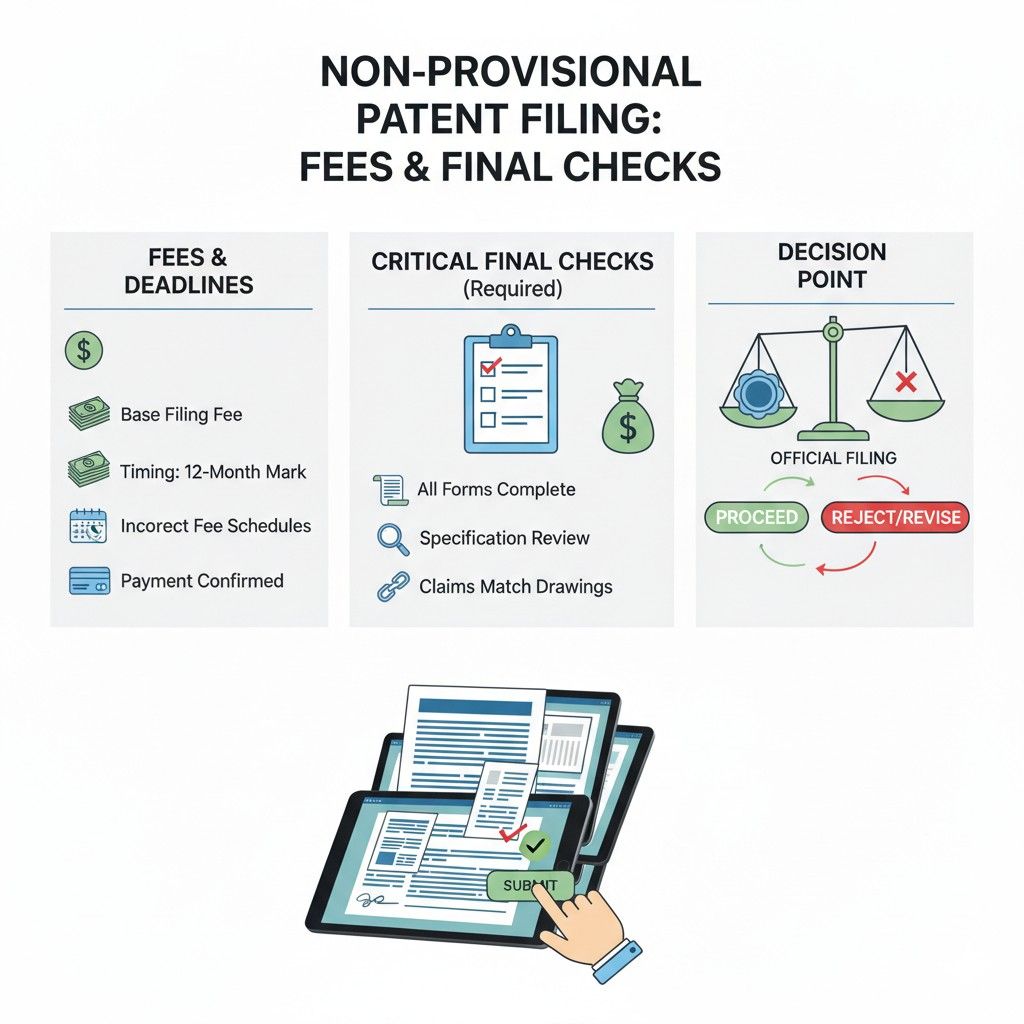
If you want to handle fees, timing, and final checks with confidence, without slowing your team or risking mistakes, you can see how PowerPatent supports founders with fast workflows and real attorney review at https://powerpatent.com/how-it-works.
Wrapping It Up
Non-provisional e-filing is not a legal finish line. It is a business decision that echoes forward. Every form you submit, every fee you pay, and every final check you complete shapes how your invention lives in the real world. Done carelessly, it creates friction, delays, and weak protection. Done well, it creates calm, leverage, and confidence that compounds as your company grows.