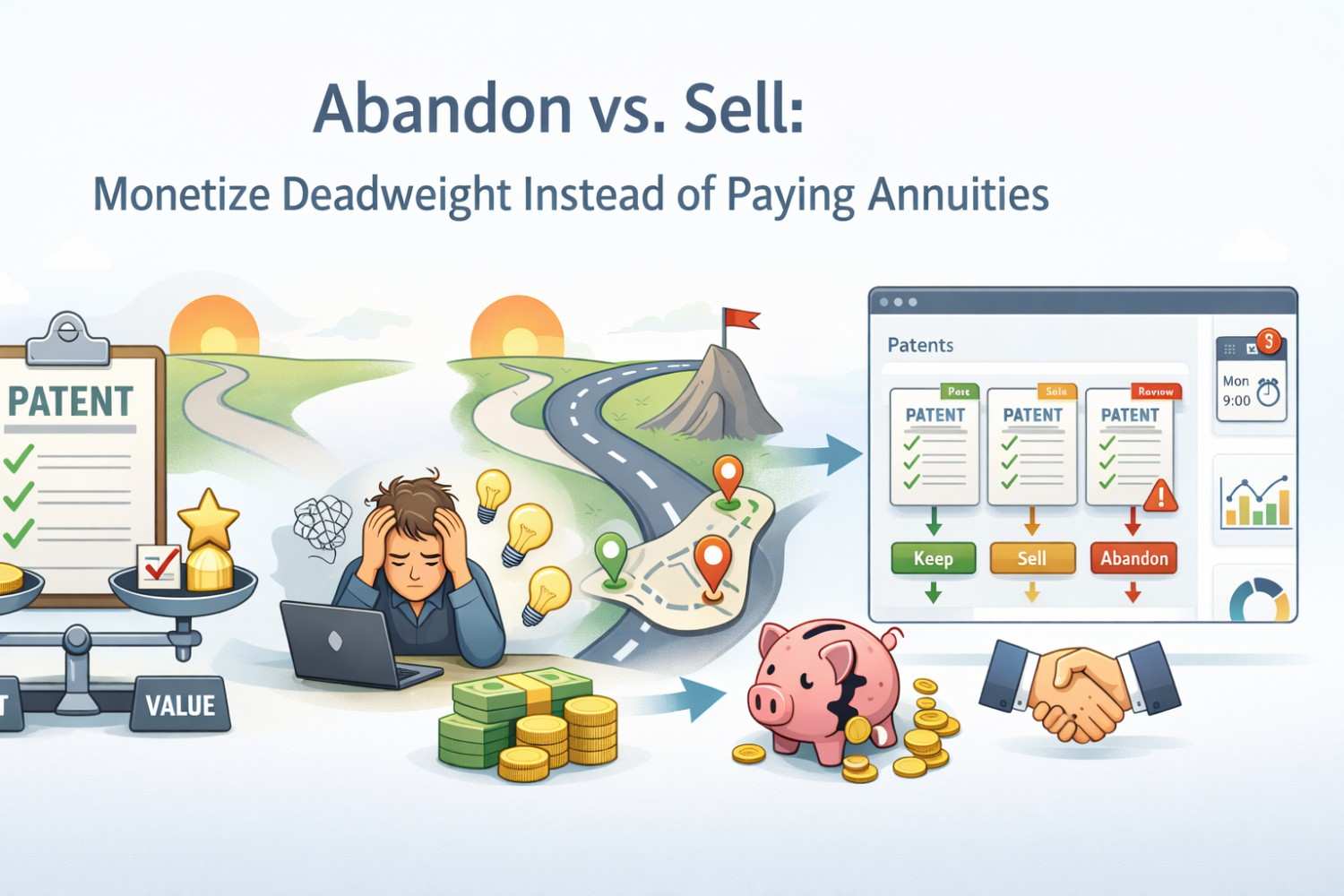
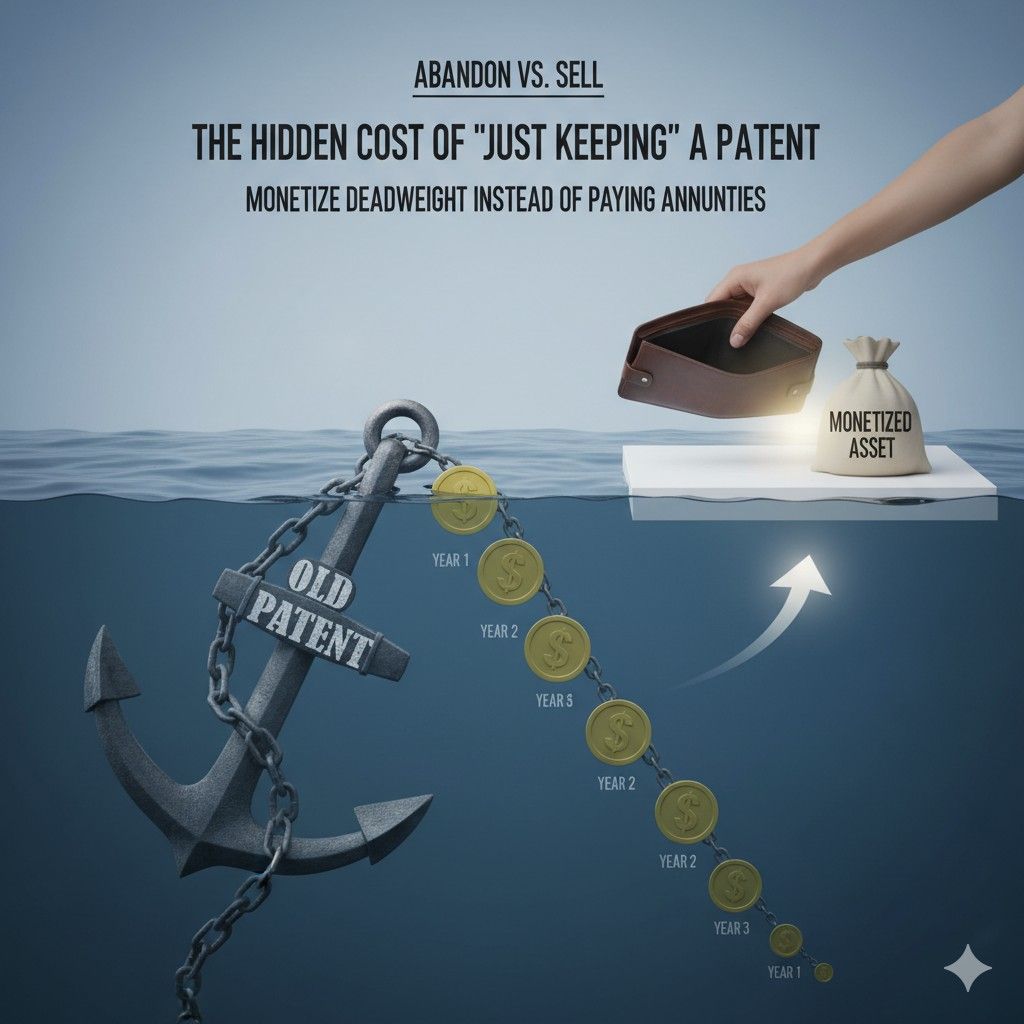
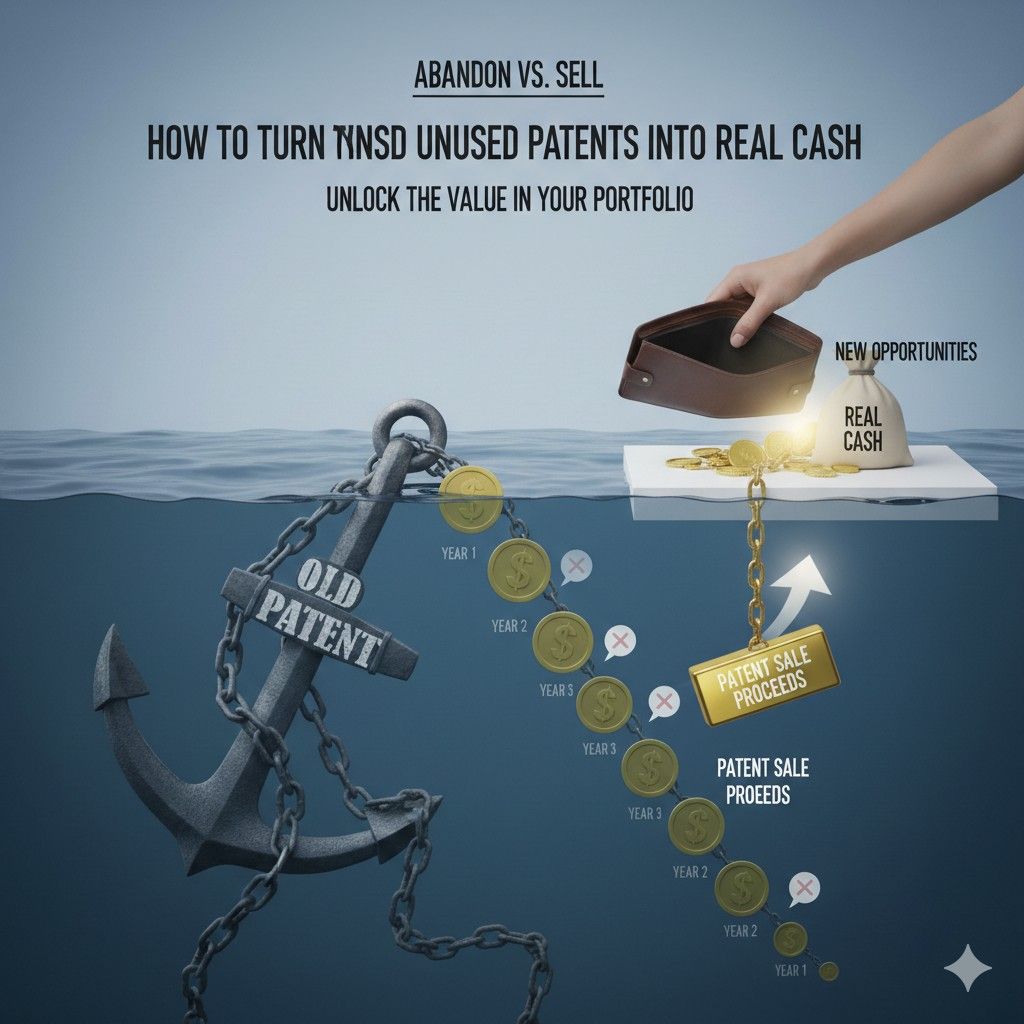
Most patents do not fail. They just sit there. They sit in a folder. They sit in your docket. They sit in your accounting line items. And every year, they quietly cost you money. If you are paying maintenance fees on patents you no longer use, no longer plan to build around, or no longer see as core to your startup, you are carrying deadweight. You have two choices. You can abandon them. Or you can sell them. One choice burns the value. The other can turn it into cash. This article will show you how to think about that decision in a clear, simple way. No legal talk. No theory. Just practical steps founders can use right now to stop wasting money and start making smarter moves with their IP.
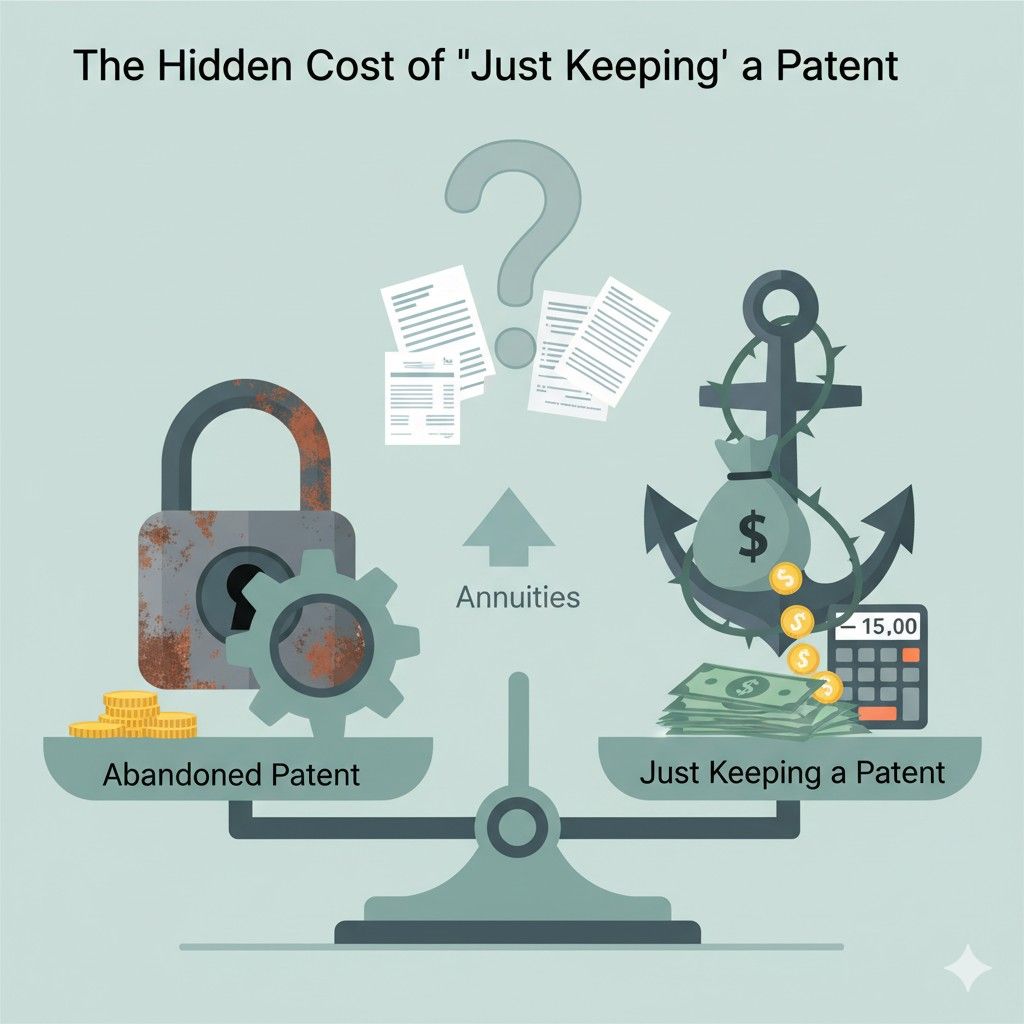
The Hidden Cost of “Just Keeping” a Patent
Many founders think keeping a patent alive is the safe choice. It feels responsible. You worked hard to get it. You paid for it. Letting it go feels wrong.
But here is the truth. A patent that no longer supports your product, roadmap, or market is not an asset. It is overhead. And overhead slows companies down.
This section is not about theory. It is about the real, quiet costs that build up when you hold patents just because you can. If you want to run lean, move fast, and protect what truly matters, you need to see these costs clearly.
The Compounding Cost of Annuities
Every patent comes with ongoing fees. They may not look large on their own. But over time, they stack up.
When you hold several patents across different countries, those fees multiply. You are not just paying one bill. You are paying in each region. You are paying for each family member. You are paying for each continuation.
At first, it feels manageable. Then five years pass. Then ten. The total spend can easily reach six figures across a portfolio.
Here is the strategic question you should ask yourself: if you did not already own this patent, would you spend that same amount of money to get it today?
If the answer is no, you are likely funding nostalgia, not strategy.
A simple exercise helps. Pull your last three years of maintenance payments. Add up the total. Then project that number forward five more years. Now ask yourself what that capital could do inside your company instead.
Could it fund a new engineer? Could it support a product pivot? Could it extend runway?
Dead patents do not create growth. Capital does.
The Mental Drag on Leadership
Money is not the only cost.
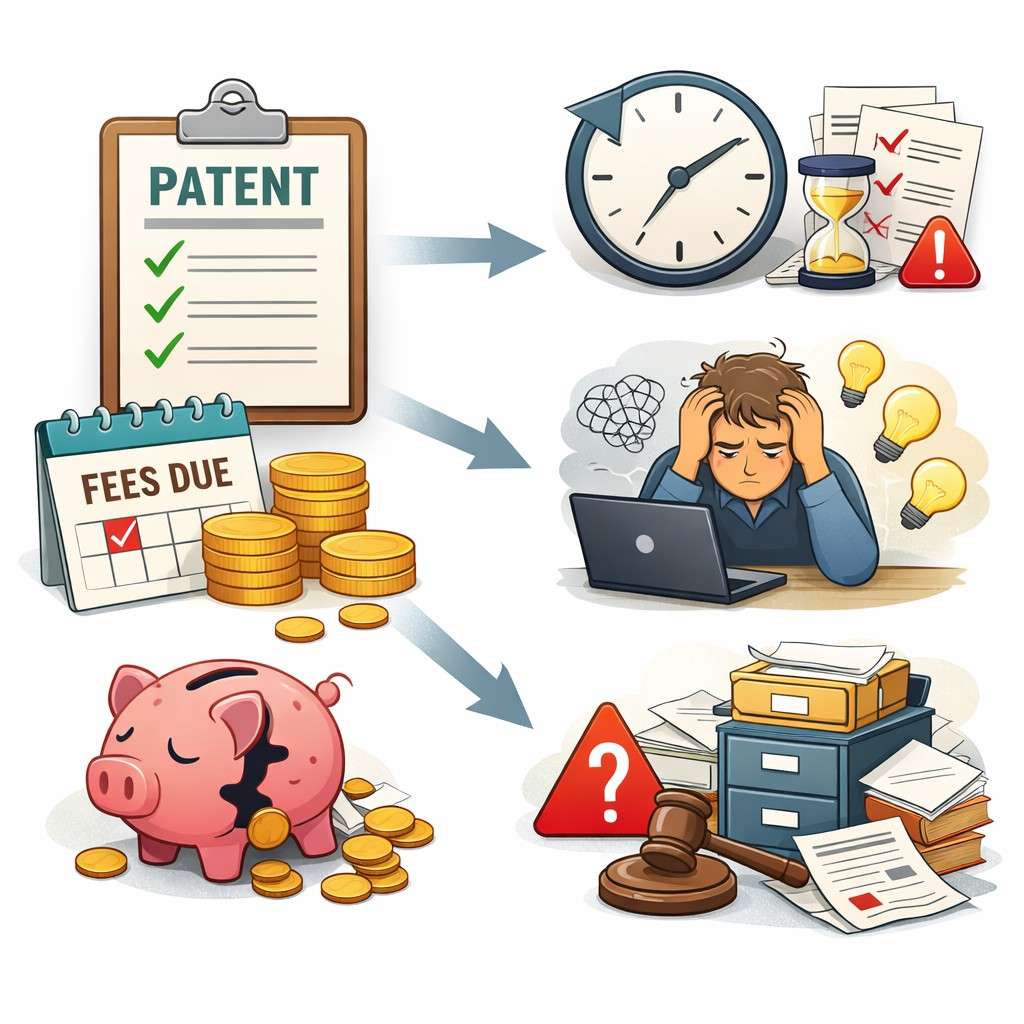
Every patent in your portfolio requires attention. Someone has to track deadlines. Someone has to approve payments. Someone has to respond to office actions if things are still pending.
That someone is often you.
Even if you have outside counsel, you still get the emails. You still make the decisions. You still feel the weight of “What should we do with this one?”
Over time, this creates mental clutter. It keeps you tied to past versions of your company.
Founders need focus. If a patent no longer supports your current product direction, it is quietly pulling your attention backward.
A strong IP strategy is not about having more patents. It is about having the right ones. Clean portfolios create clarity. Clarity creates speed.
False Comfort and Strategic Drift
There is another hidden cost. Comfort.
Some founders keep patents because it feels safer to have them. Even if they are not used. Even if they are not enforced.
But unused patents rarely protect you in real ways. If a patent does not map to your active product or future roadmap, it does not meaningfully defend your position.
Worse, it can give you a false sense of strength. You may believe you are well protected when your real competitive edge is not covered at all.
This is how drift happens.
You end up paying to maintain coverage for ideas you abandoned, while the features driving revenue today have no protection.
A smart move is to review each patent and ask one simple question: does this directly support what we are building and selling right now, or what we will build in the next two years?
If not, it is a candidate for action. Not passive holding.
The Opportunity Cost Nobody Talks About
Every dollar tied up in maintenance fees is a dollar that cannot be deployed elsewhere.
Startups live and die on resource allocation. You have limited time. Limited money. Limited attention.
When you keep low-value patents alive, you are choosing not to invest in higher-impact protection.
Maybe you delay filing on a new core invention because you do not want to increase spend. Meanwhile, you are quietly paying for an old patent that no longer matters.
This is backwards.
A sharper strategy is to rotate capital. Let weaker assets go. Double down on what makes you different today.
Think of your patent portfolio like a product portfolio. You would not keep shipping features no one uses. You would not keep servers running for products you shut down. You would reallocate.
Your IP deserves the same discipline.
Hidden Administrative Overhead
Patents create paperwork.
There are assignment records. Entity status updates. Address changes. Corporate structure changes. Financing events. Mergers. Each event can require updates across your portfolio.
The more patents you hold, the more records you must maintain.
If your company grows, investors and acquirers will review your IP closely. A bloated portfolio increases diligence time. More documents to review. More questions to answer. More history to explain.
Sometimes a smaller, tighter portfolio is more attractive than a large but unfocused one.
One practical step is to conduct an internal IP audit once a year. Not a legal deep dive. A business audit. Which patents are tied to live products? Which support licensing discussions? Which have not been mentioned in strategy meetings in years?
If a patent has not come up in any meaningful way, that is data.
The Cost of Global Sprawl
International filings are expensive to maintain.
It is common for startups to file broadly early on, especially if they were advised to “protect everywhere.” Years later, the business may only operate in one or two markets.
Yet the patents remain alive across multiple regions.
Each country has its own fees. Its own agents. Its own deadlines.
You need to align your geographic coverage with your real commercial footprint. If you no longer plan to enter certain markets, why are you paying to protect them?
A strategic move is to map revenue by geography next to your patent coverage map. If there is a mismatch, you have a signal.
Deadweight often hides in countries where you no longer sell.
Sunk Cost Bias and Emotional Attachment
Founders are builders. You remember the late nights when you first conceived the idea. You remember filing your first patent. It feels like a badge of honor.
That emotion is real. But it should not drive financial decisions.
The money you already spent is gone. The only question that matters is whether future payments create future value.
To stay objective, involve someone who is not emotionally tied to the original invention. A product lead. A CFO. An outside advisor.
Have them evaluate the patent purely through a business lens.
If it would not pass a fresh investment test today, it likely should not receive more capital tomorrow.
Capital Efficiency as a Competitive Advantage
In tight markets, capital efficiency wins.
Investors care about discipline. Acquirers care about focus. Teams care about clarity.
When you show that you actively manage your IP, rather than blindly paying fees, you signal maturity.
This does not mean cutting aggressively. It means aligning.
You protect what matters deeply. You monetize what no longer fits. You release what has no market.
That is strategic control.
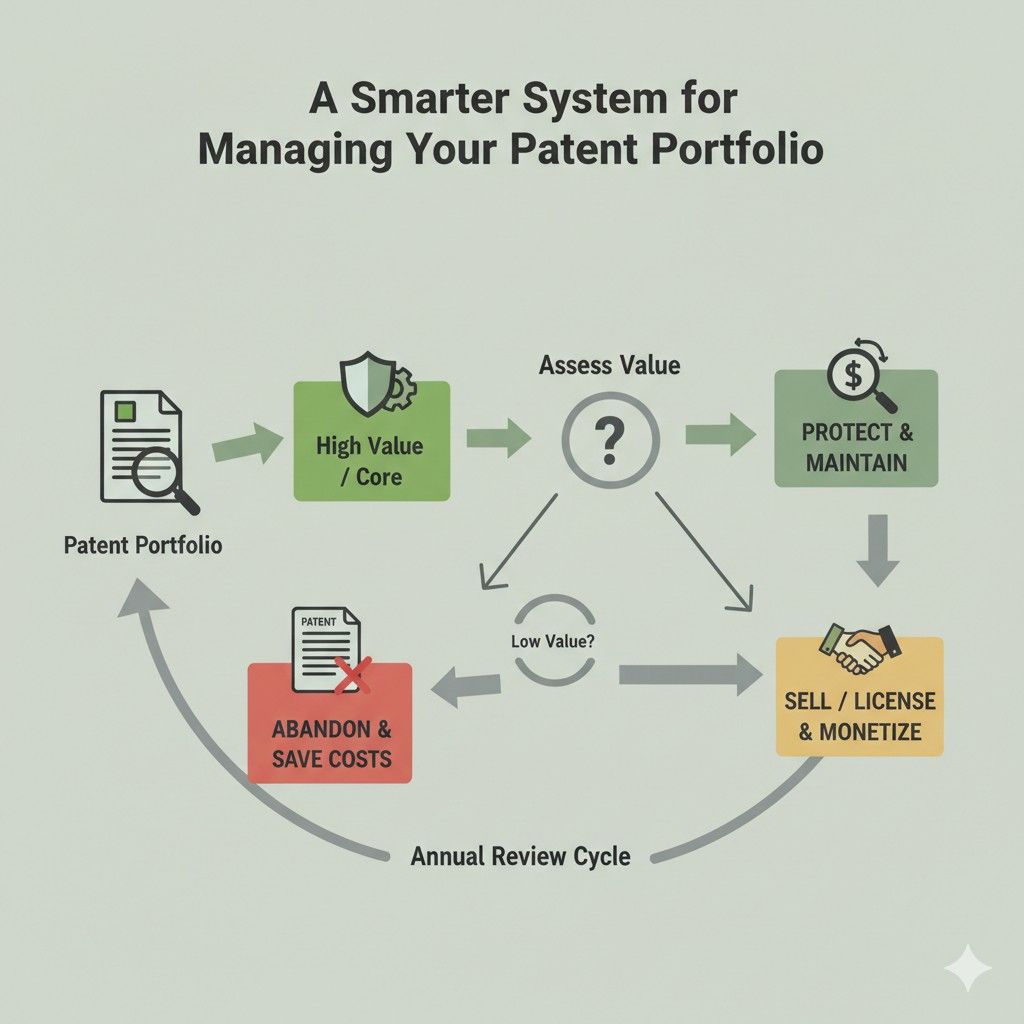
A practical framework is to categorize patents into three buckets: core, optional, and non-core. Core patents support current revenue. Optional patents might support future pivots. Non-core patents do neither.
Only the first two deserve serious discussion about continued funding. The third should trigger a decision: sell or abandon.
But before choosing abandonment, there is one more question to explore.
Could someone else see value where you no longer do?
That is where monetization enters the picture.
You do not have to let deadweight die quietly. You may be sitting on transferable value.
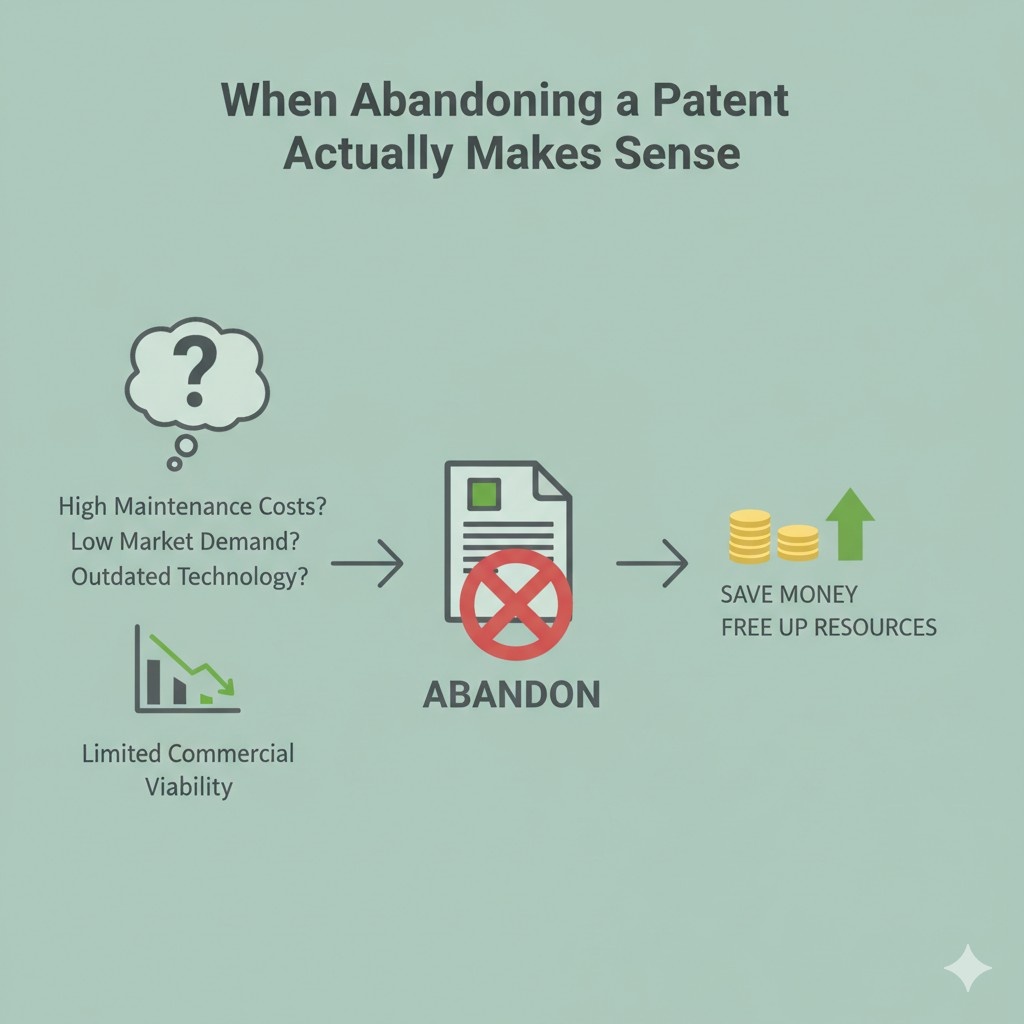
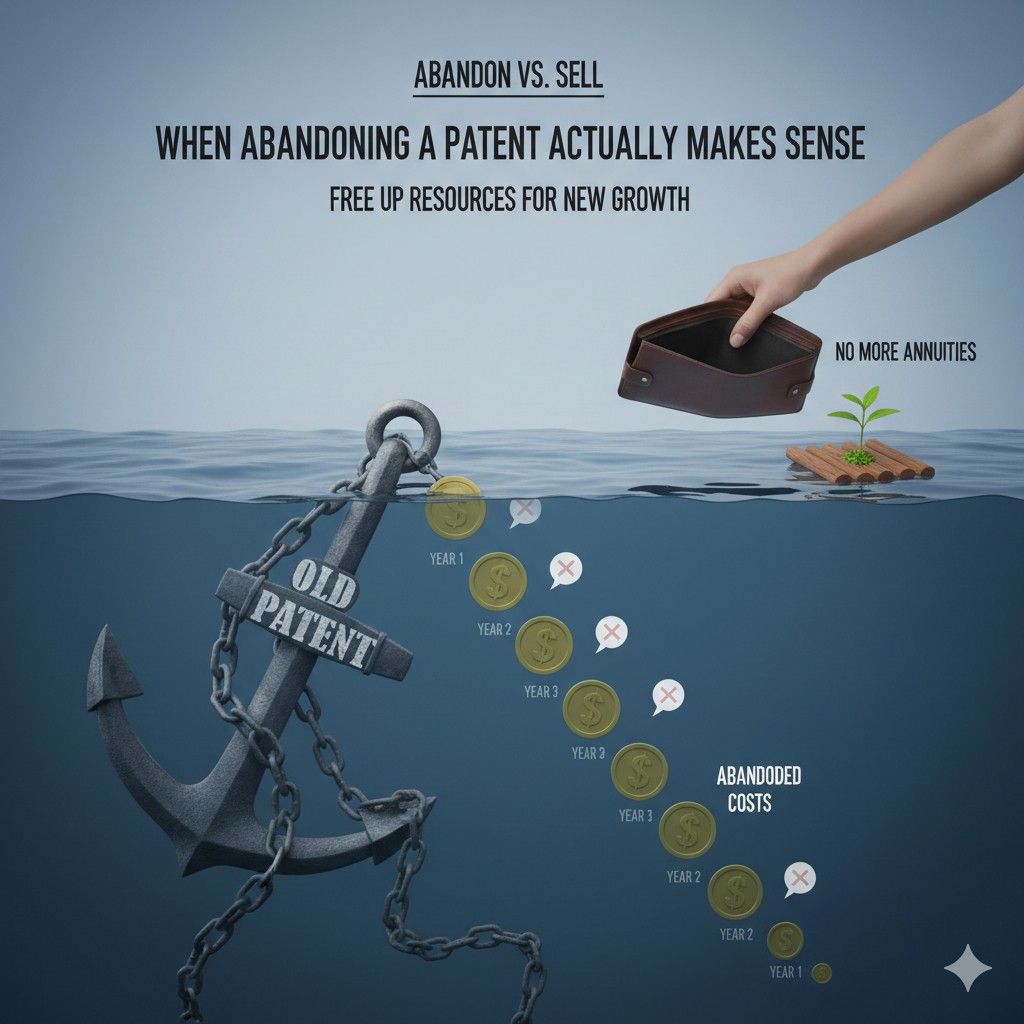
When Abandoning a Patent Actually Makes Sense
Let’s be clear about something important.
Not every patent should be saved. Not every asset deserves a buyer. And not every piece of IP is worth the time it takes to shop around.
Sometimes, the smartest move is to let it go.
But that decision should come from strategy, not frustration. It should come from clarity, not neglect. Abandonment is not failure. It is capital discipline.
In this section, we will walk through when walking away is the right call and how to do it in a way that protects your business.
When the Technology Is Truly Obsolete
Some inventions age well. Others expire in practice long before the patent term ends.
If your patent covers a system built on outdated infrastructure, an old hardware standard, or a protocol the market has already moved past, its value may be close to zero.
This is not about emotion. It is about market reality.
You need to ask: would a company entering the market today build on this idea? If the answer is no, buyers will likely think the same way.
A quick way to test this is to scan recent product launches in your space. Are companies building in the direction your patent covers? Or has the industry shifted?
If the entire ecosystem moved on, holding that patent alive is usually just prolonging cost.
When the Claims No Longer Cover What Matters
Sometimes the idea is still relevant, but your patent does not actually protect the valuable part.
This happens more often than founders realize.
You pivot. You refine. You ship new features. Meanwhile, the patent you filed years ago covers a narrower version of your product.
If the claims do not map to current use cases or emerging standards, enforcement becomes weak. Licensing becomes unlikely.
A practical exercise is to sit down with your technical lead and walk through the claims line by line. Ask in plain terms: does this still cover something competitors are doing or planning to do?
If the answer is vague or stretched, that is a warning sign.
Holding a patent that cannot meaningfully block or license against real-world products is rarely worth ongoing fees.
When Enforcement Would Be Unrealistic
A patent only has teeth if you are willing and able to enforce it.
For early-stage startups, litigation is often not realistic. Even large companies think carefully before enforcing.
If a patent’s only possible value would come from an expensive lawsuit that your company would never pursue, its practical worth may be limited.
This does not mean patents are useless without litigation. Many provide defensive leverage or acquisition value.
But if a patent covers a narrow feature used by massive incumbents, and the only path to monetization would be a long, costly fight, you should be honest about your appetite for that path.
If enforcement is off the table and licensing conversations are unlikely, abandonment becomes more reasonable.
When the Market Size Is Too Small
Some patents protect niche applications. That can be fine if the niche is profitable.
But if the addressable market is tiny, buyers may not see upside.
Before deciding to keep paying fees, estimate the commercial scope of the invention today. Not when you filed. Today.
Is there active investment in that segment? Are startups raising money around similar ideas? Are large players expanding into that space?
If the segment has shrunk or never grew as expected, the patent’s licensing potential may be limited.
In that case, spending thousands over time to maintain it may not be smart capital allocation.
When International Coverage No Longer Aligns
Abandonment does not have to mean killing the entire family.
Sometimes the right move is selective.
If you filed in five countries but now only operate in one, you can prune the rest.
International annuities add up fast. If there is no realistic plan to commercialize or license in certain regions, you can let those jurisdictions lapse while keeping your core market protected.
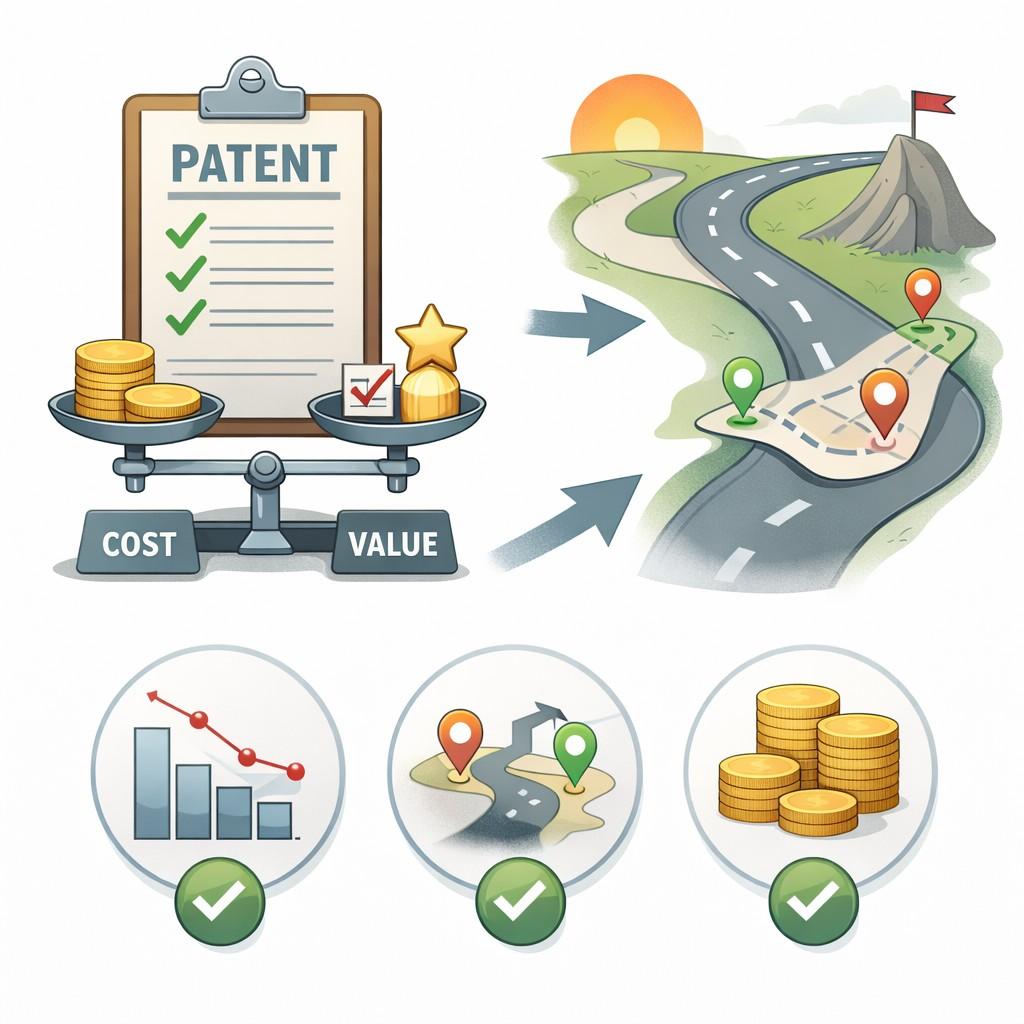
This keeps your strategy aligned with your footprint.
Many founders overlook this option. They think in all-or-nothing terms. But smart portfolio management is often about trimming, not tearing down.
When Selling Efforts Would Cost More Than the Return
Selling patents takes time. It may involve brokers, outreach, diligence, and negotiation.
If the patent is weak, overly narrow, or difficult to understand without deep context, the cost of trying to sell it may exceed the likely proceeds.
In that case, a clean abandonment may be the more efficient choice.
One way to test this is to get a quick third-party opinion. There are firms that provide informal valuation insights. If early feedback suggests minimal buyer interest, you can avoid sinking more time into it.
The key is not to drift into automatic renewal just because it is easier than making a decision.
The Timing Factor
Maintenance fees come in waves. Some are small. Others are large.
The larger milestones are natural decision points.
Before paying a significant fee, pause.
Review the patent’s strategic role. Review market relevance. Review licensing possibilities.
Do not treat the invoice as routine. Treat it as a board-level decision, even if your company is small.
That pause alone can save meaningful capital over time.
How to Abandon Cleanly and Safely
If you decide to abandon, do it intentionally.
First, confirm there are no active agreements tied to the patent. Check licensing deals, security interests, and investor documents.
Second, ensure the technology is not critical to ongoing freedom to operate. While rare, there are cases where maintaining certain rights supports cross-licensing dynamics.
Third, document the decision internally. Write down why the patent no longer fits strategy. This creates clarity and prevents second-guessing later.
Abandonment should feel like a strategic step forward, not a quiet lapse you forgot about.
The Emotional Reset
Letting go of a patent can feel personal.
But strong founders separate identity from assets.
Your company today is not defined by every idea you explored in the past. It is defined by what you are building now.
When you release patents that no longer serve your mission, you create space. Financial space. Mental space. Strategic space.
And sometimes, that space is more valuable than the patent itself.
Still, abandonment is only half the equation.
Before you let an asset die, you should ask one more powerful question.
What if someone else would pay for it?
That is where the real opportunity begins.
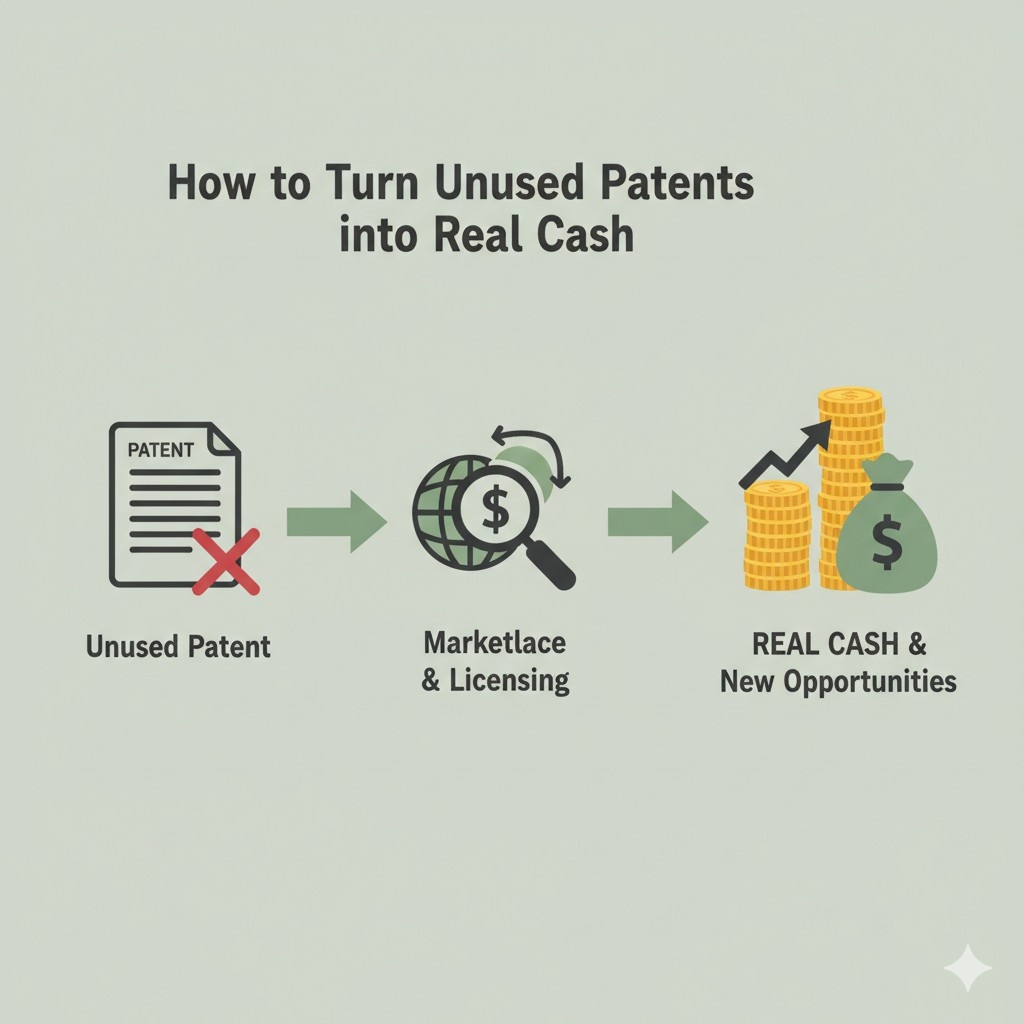
How to Turn Unused Patents into Real Cash
Before you let a patent die, pause.
There is a simple shift in thinking that changes everything. Instead of asking, “Do we still need this?” ask, “Who else might need this?”
What feels like deadweight inside your company may be valuable fuel for someone else. Markets move in cycles. Product focus shifts. What no longer fits your roadmap might sit perfectly inside another company’s plan.
Selling a patent is not about being aggressive. It is about being practical. If you are already considering abandonment, you have nothing to lose by exploring monetization first.
The key is to approach this strategically, not casually.
Start With Positioning, Not Paperwork
Many founders think selling a patent starts with finding a broker or listing it somewhere.
It does not.
It starts with understanding what problem the patent solves and who benefits from that solution today.
Pull up the patent and forget the legal language for a moment. In plain words, what does it enable? Does it reduce cost? Increase speed? Improve security? Simplify integration?
Now look at current market trends. Which companies are investing in similar outcomes?
If your patent covers a method that reduces cloud compute costs, companies scaling infrastructure may care. If it covers a data pipeline technique, AI startups might find it useful.
You are not selling a document. You are selling leverage.
Map the Patent to Real Products
This step is critical.
Go to company websites. Read product pages. Watch demo videos. Study feature lists.
If you can point to a live product and say, “Our patent reads on that functionality,” you have a real starting point.
The stronger the overlap, the stronger your position.
This does not require perfect infringement analysis. It requires intelligent pattern matching. If your claims clearly cover a core feature in a growing product category, you likely have something worth exploring.
The more concrete the connection, the easier the sale.
Understand the Buyer’s Motivation
Companies buy patents for a few simple reasons.
They want defensive strength. They want freedom to operate. They want to block competitors. Or they want future leverage.
Your outreach and positioning should speak to one of these motivations.
If the patent strengthens their existing portfolio in a key area, highlight that. If it fills a gap, show the gap.
Do not approach this as, “We are getting rid of something.” Approach it as, “This could strengthen your strategic position.”
Buyers think in terms of risk and advantage. Frame the patent in those terms.
Clean Up the Asset Before Offering It
If you decide to explore a sale, prepare the patent like you would prepare a company for acquisition.
Make sure ownership records are clear. Confirm assignments are recorded. Ensure there are no hidden liens or complications.
If the patent is part of a larger family, clarify what is included. Buyers prefer clean transactions.
You should also create a short, plain-language summary of the patent. Not a technical deep dive. A clear explanation of what it covers, where it applies, and why it matters now.
This makes conversations smoother and more productive.
Decide How You Want to Sell
There are several paths, and the right one depends on your bandwidth and goals.
You can reach out directly to target companies. This keeps control in your hands but requires effort and tact.
You can work with brokers who specialize in patent transactions. They take a fee, but they bring networks and experience.
You can explore patent marketplaces where assets are listed for broader exposure.
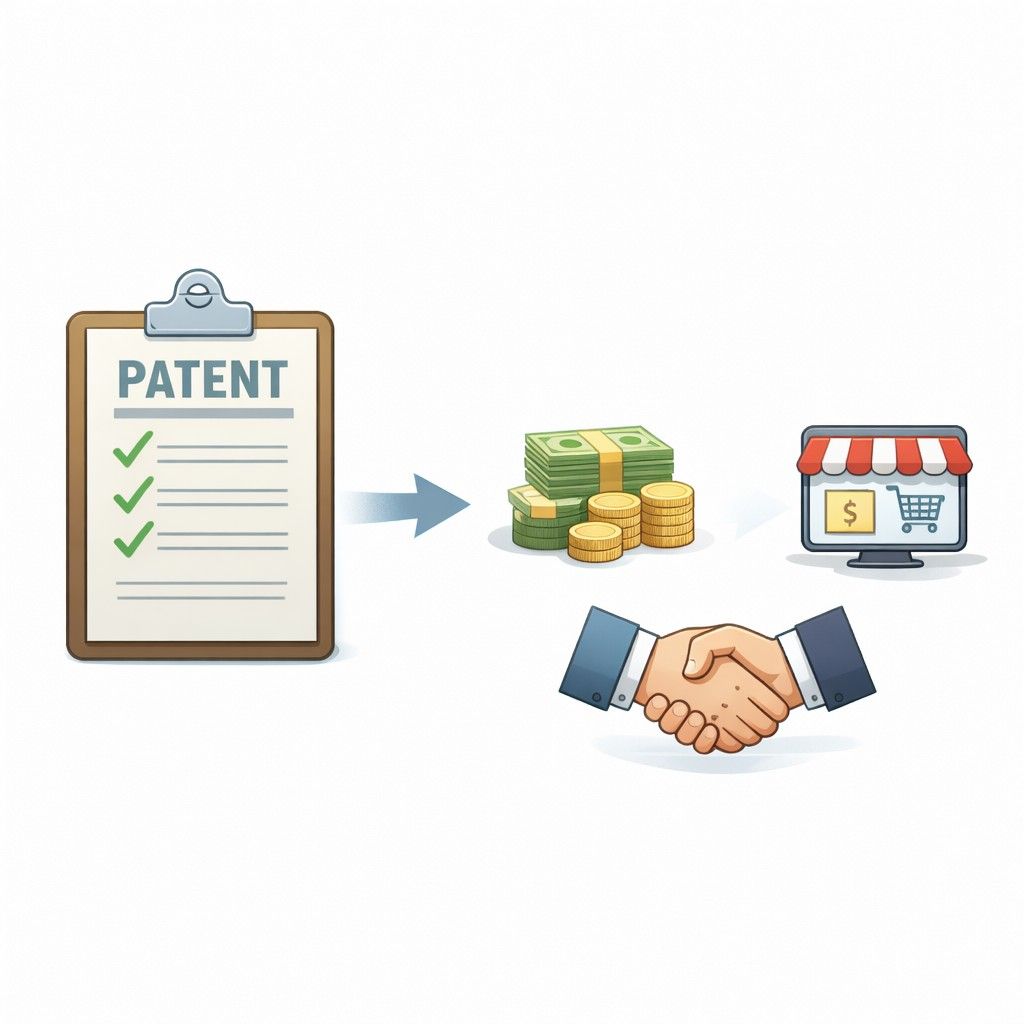
Each path has trade-offs. Direct outreach may yield higher returns but demands more work. Brokers reduce friction but reduce net proceeds.
The key is to treat it like any other business development effort. It deserves focus, messaging, and follow-up.
Pricing With Realism
Pricing is delicate.
If you overprice, you scare away buyers. If you underprice, you leave value on the table.
Start by understanding comparable transactions in your field. While exact numbers are often private, industry reports and brokers can provide directional insight.
More importantly, consider the value to the buyer. If the patent meaningfully reduces their litigation risk or blocks a competitor, it may command a premium.
If it is a nice-to-have addition, expectations should be modest.
Remember, even a moderate sale price can outweigh years of future maintenance fees. You are not trying to win a lottery. You are trying to convert idle cost into usable capital.
Protect Your Core While Selling Non-Core
One concern founders have is signaling weakness.
Selling patents does not mean your company is struggling. It means you are managing assets wisely.
The key is to sell non-core patents while strengthening protection around your core technology.
When done correctly, this shows discipline. You are focusing your IP where it drives growth.
In fact, some acquirers appreciate lean portfolios that align tightly with active products. It shows intentional strategy.
Turn Proceeds Into Strategic Fuel
If you successfully sell a patent, do not treat the proceeds as general cash.
Reinvest intentionally.
You might use the funds to file stronger patents around your current platform. You might expand protection in key markets. You might fund a continuation that sharpens your moat.
This turns an old asset into new protection.
That is smart rotation of capital.
The Power of Timing
Patent markets move.
Certain technologies become hot. Others cool off.
If your patent aligns with a growing trend, acting sooner can increase interest. Waiting until the market shifts may reduce options.
At the same time, do not rush into a poor deal out of fear. Explore interest. Gauge response. Make a measured decision.
The worst outcome is passive decay. Either extract value or make a clean exit. Do not drift.
Why This Matters for Startups
Startups do not have unlimited resources.
Every dollar saved or earned extends runway. Every smart decision builds credibility with investors.
When you show that you actively manage IP like any other business asset, you stand out.
You are not just building product. You are building leverage.
If you are unsure which patents are truly core and which are candidates for sale, this is where structured support matters.
PowerPatent was built for this exact kind of clarity. It combines smart software with real patent attorneys so you can see your portfolio clearly, understand what protects your growth, and make confident decisions without drowning in complexity.
If you want to understand how to align your patents with your business strategy and stop paying for assets that no longer serve you, take a look at how it works at https://powerpatent.com/how-it-works.
A Smarter System for Managing Your Patent Portfolio
Most founders do not lose money on patents because they make one big mistake.
They lose money because they never build a system.
Invoices show up. Deadlines pass. Renewals get paid. Years go by. No one steps back to ask whether the portfolio still matches the company.
A patent strategy should evolve just like your product strategy. If your roadmap changes but your IP does not, you create drag.
This final section is about control. It is about building a simple internal system so you never again pay annuities on autopilot.
Tie Every Patent to Revenue or Roadmap
Every active patent should have a reason to exist.
Not a historical reason. A current reason.
Open your portfolio and write one sentence next to each patent: “This protects ______.”
If you cannot clearly connect it to current revenue, a live product feature, or a defined roadmap milestone, that is a red flag.
This exercise sounds basic. It is powerful.
When patents are tied directly to product lines, you create alignment. When they float without connection, they become financial leaks.
The strongest portfolios are tightly mapped to real business value. Investors see that. Acquirers see that. Competitors feel that.
If you want help mapping your technology to defensible claims in a way that actually matches what you are building now, you can see how PowerPatent approaches this at https://powerpatent.com/how-it-works. It is built specifically for fast-moving teams who do not want their IP lagging behind their product.
Review Before Every Major Fee Event
Large maintenance payments should never be routine.
They should trigger a structured review.
Before paying a significant annuity, gather three people: a product lead, a technical founder, and whoever oversees finance. Spend thirty minutes asking simple questions.
Does this patent protect something we actively monetize?
Would we file this again today if we did not already own it?
Is there any realistic licensing path?
If the answers are weak, pause payment until you decide intentionally.
That short meeting can save tens of thousands over time.
Most companies skip this step. They treat renewals as administrative tasks instead of strategic decisions. That small mindset shift creates a big financial difference.
Build a Core and Non-Core Framework
Your portfolio should not be one large bucket.
It should be clearly divided between core protection and optional or legacy assets.
Core patents defend your unique advantage. They sit around the features competitors cannot copy without risk. They support valuation. They protect future fundraising.
Non-core patents may reflect past experiments, older pivots, or secondary features.
When you separate these groups clearly, decisions become easier.
You invest aggressively in core protection. You evaluate optional assets regularly. You monetize or abandon non-core assets without hesitation.
This framework removes emotion from the process.
It also prevents a common startup problem: spreading IP spend evenly instead of strategically.
Capital should follow impact.
Integrate IP Into Product Planning
Many startups treat patents as a side function.
Engineering builds. Product ships. Then months later someone asks, “Should we file something?”
This reactive approach creates gaps and wasted filings.
A smarter system integrates IP into quarterly planning.
When you define upcoming product releases, ask which innovations are defensible. When you sunset features, flag related patents for review.
This keeps your portfolio alive and relevant.
It also prevents the drift that leads to deadweight.
If your IP process feels disconnected from your build cycle, that is a signal. Modern tools exist specifically to connect code, models, and technical documents directly into strong filings without slowing teams down.
PowerPatent was designed for this flow. It helps founders turn real technical work into defensible patents quickly, with attorney oversight, so your protection keeps pace with your innovation.
You can explore the process here: https://powerpatent.com/how-it-works.
Track Portfolio ROI Like Any Other Asset
Founders track customer acquisition cost. They track burn rate. They track engineering velocity.
Very few track patent return on investment.
You do not need a complex model.
Simply estimate total lifetime spend on a patent and compare it to the strategic value it provides. Has it supported fundraising? Has it strengthened negotiation leverage? Has it generated licensing interest?
If a patent consistently shows no measurable contribution, it deserves scrutiny.
This does not mean every patent must generate direct revenue. Many serve defensive roles.

But they should still justify their cost through risk reduction or strategic positioning.
If you cannot articulate that value, the patent may be drifting into deadweight territory.
Prepare for Diligence Before It Happens
At some point, someone will review your IP closely. It could be investors. It could be acquirers. It could be strategic partners.
A bloated, unfocused portfolio creates friction during diligence. Questions multiply. Explanations grow longer.
A tight, intentional portfolio creates confidence.
When each patent clearly supports the company’s core direction, the story becomes simple. That simplicity increases trust.
This is another reason to actively prune or monetize non-core assets. It sharpens your narrative.
And narrative matters in high-stakes transactions.
Turn IP Into a Strategic Weapon, Not a Storage Unit
Patents should not sit quietly in a drawer.
They should strengthen negotiation positions, protect market share, and increase company value.
When you shift from passive maintenance to active management, you change the role IP plays in your business.
Instead of asking, “Should we keep paying this?” you begin asking, “How does this strengthen us?”
That mindset changes decisions.
It leads you to double down on key filings, trim distractions, and explore monetization where appropriate.
It transforms IP from a cost center into a leverage engine.
The Real Choice: Drift or Discipline
At the start of this article, we framed the choice as abandon or sell.
But the deeper choice is drift or discipline.
Drift means paying annuities without review. Holding patents without purpose. Letting assets decay quietly.
Discipline means reviewing intentionally. Selling when value exists. Abandoning when strategy demands it. Reinvesting in what matters most.
If you are already paying for patents that no longer align with your roadmap, now is the time to act.
Audit them. Map them. Evaluate market relevance. Explore buyers. Make clear decisions before the next fee cycle hits.

And if you want a modern way to manage patents without the headache, without slow old-school processes, and with real attorney oversight built into smart software, take a close look at how PowerPatent works at https://powerpatent.com/how-it-works.
Your patents should fuel your growth, not drain your runway.
The next maintenance invoice is not just a bill.
Wrapping it up
Every patent you own is a choice. A choice to invest more money. A choice to defend a space. A choice to carry weight forward. The problem is not that founders file patents. The problem is that many never revisit them with clear eyes. If a patent still protects what makes you different, protect it hard. Strengthen it. Build around it. If it no longer fits, do not let it quietly drain your runway. Explore buyers. Extract value. Rotate that capital into stronger protection or product growth.